Back to homepage

Nancy Scanlon

Hi! My name is Nancy. I'm pretty new at coding so this module was challenging but also fun. I had a great time incorporating all the things we learned in class into my final. After this molecule, I feel a little more confident to start the second! I'm excited to see what I do next.

Other Students

Week 12

Project file 1
Project file 2
Project file 3
Project file 4
Live Demo

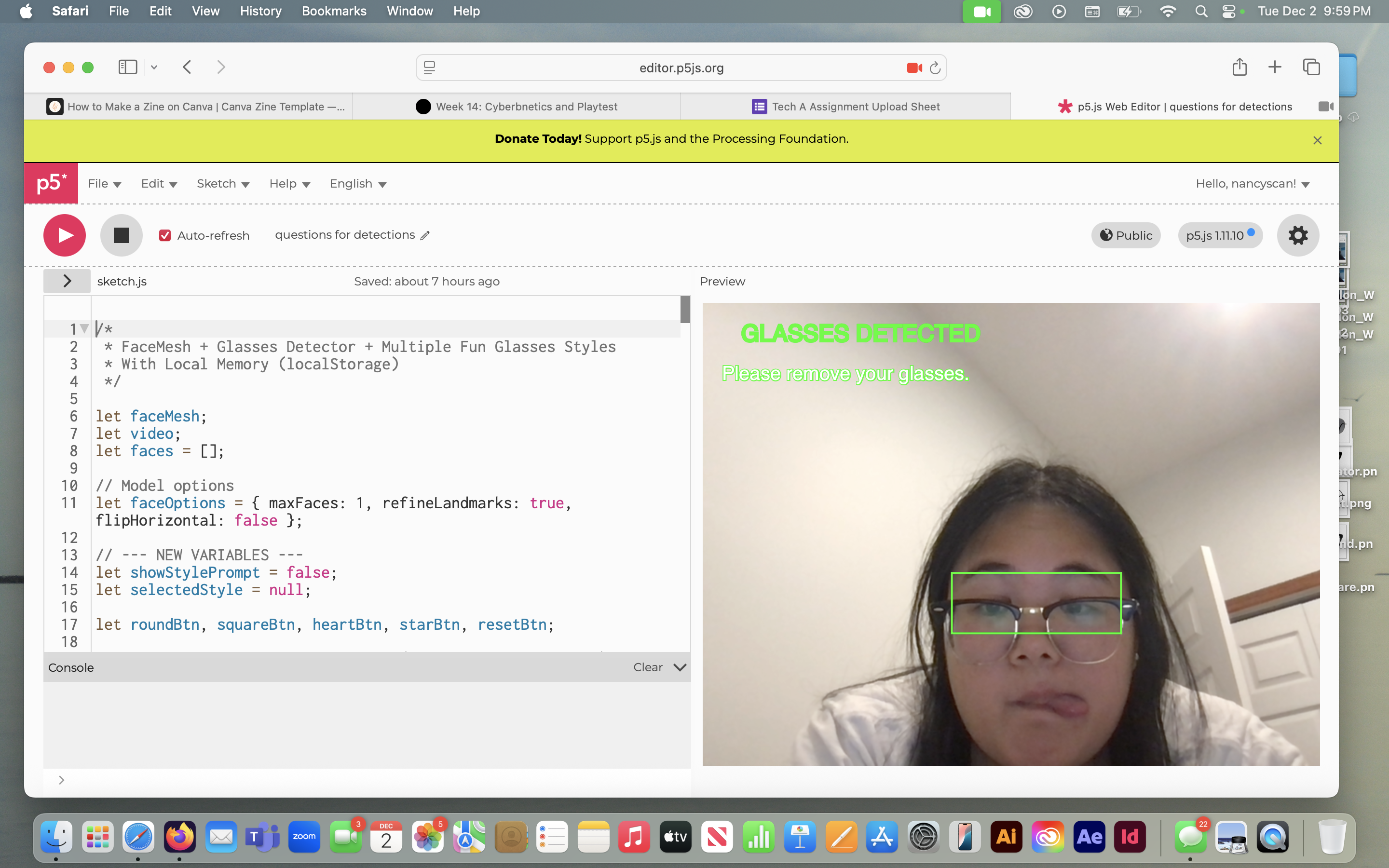
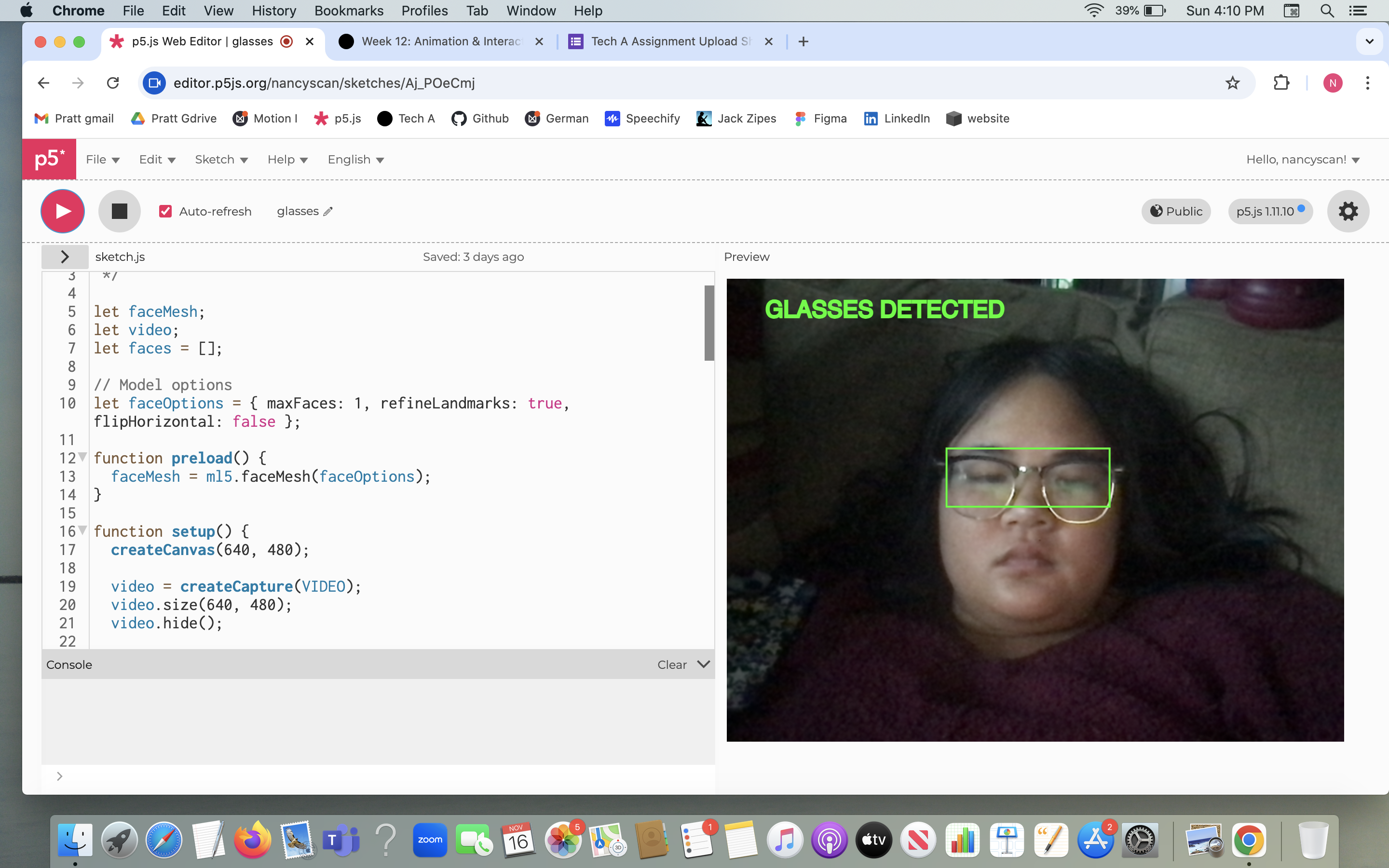
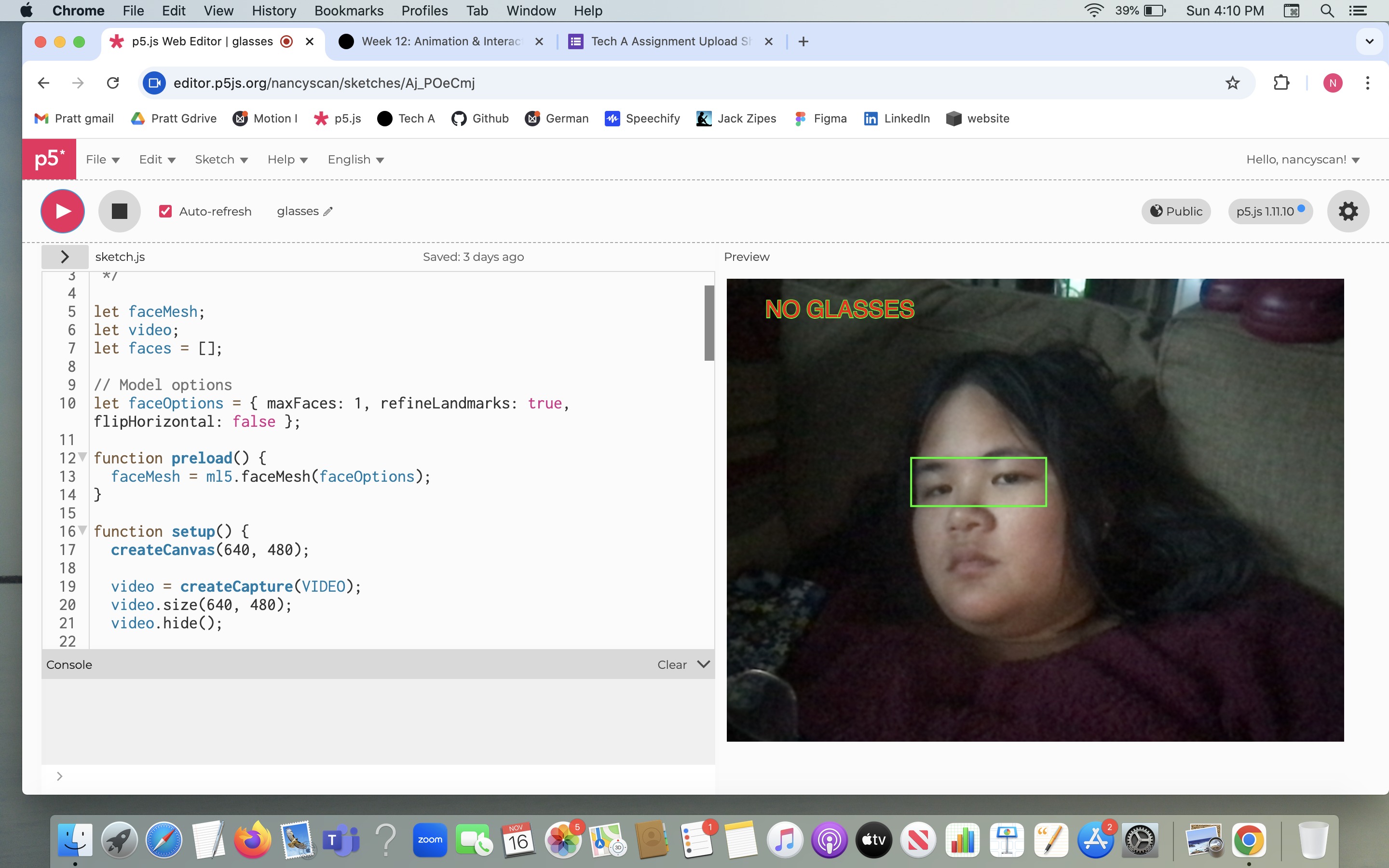
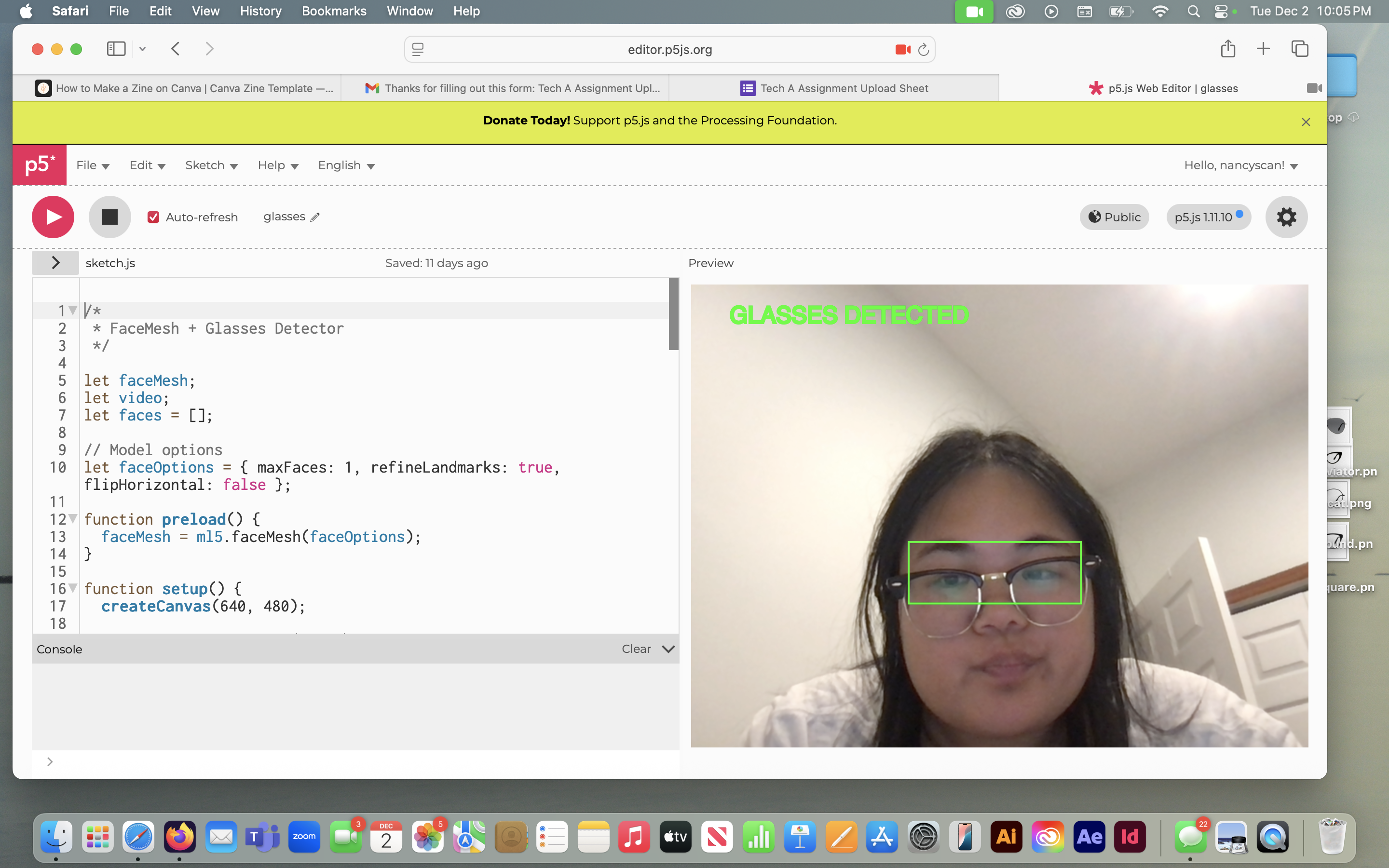
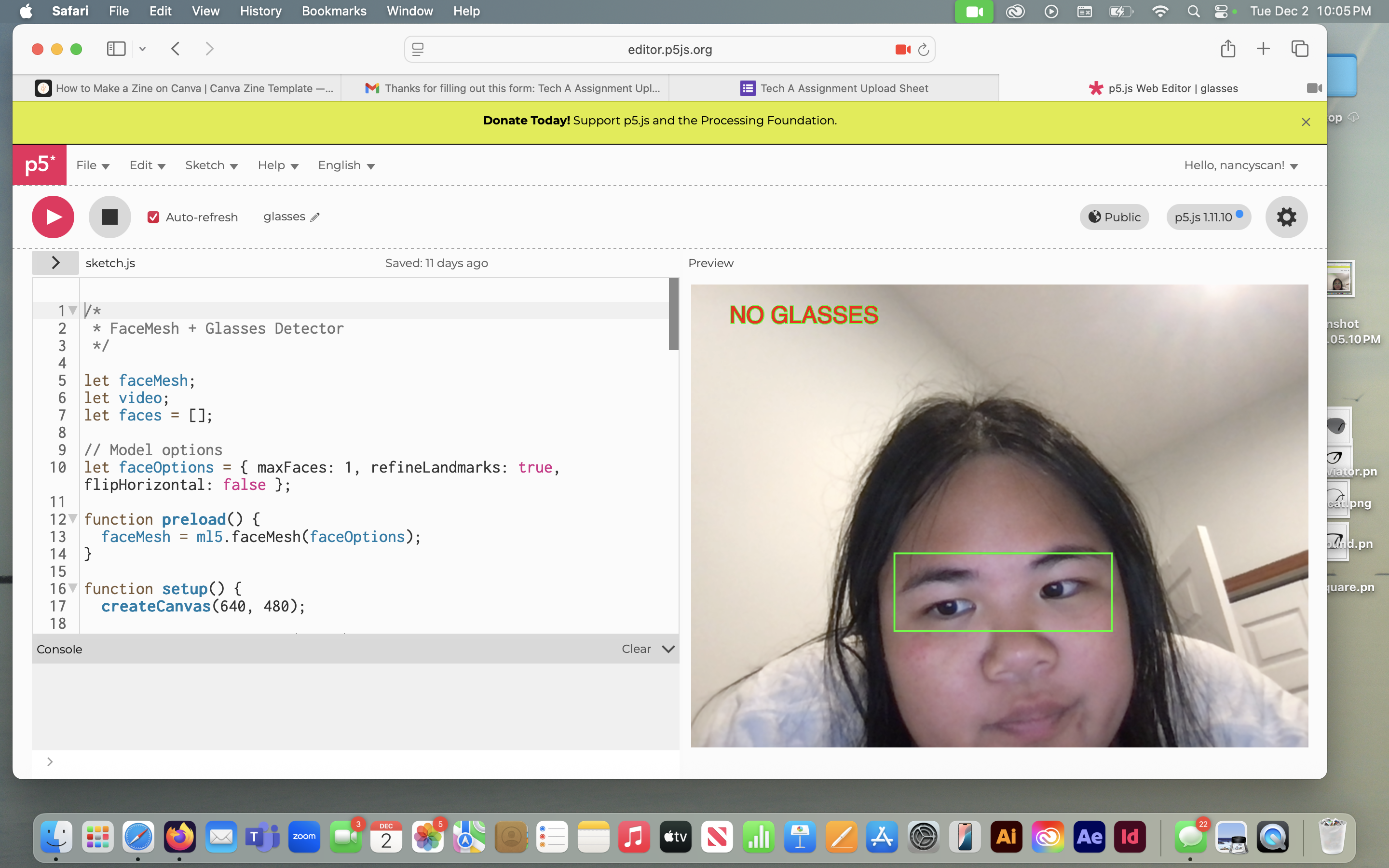
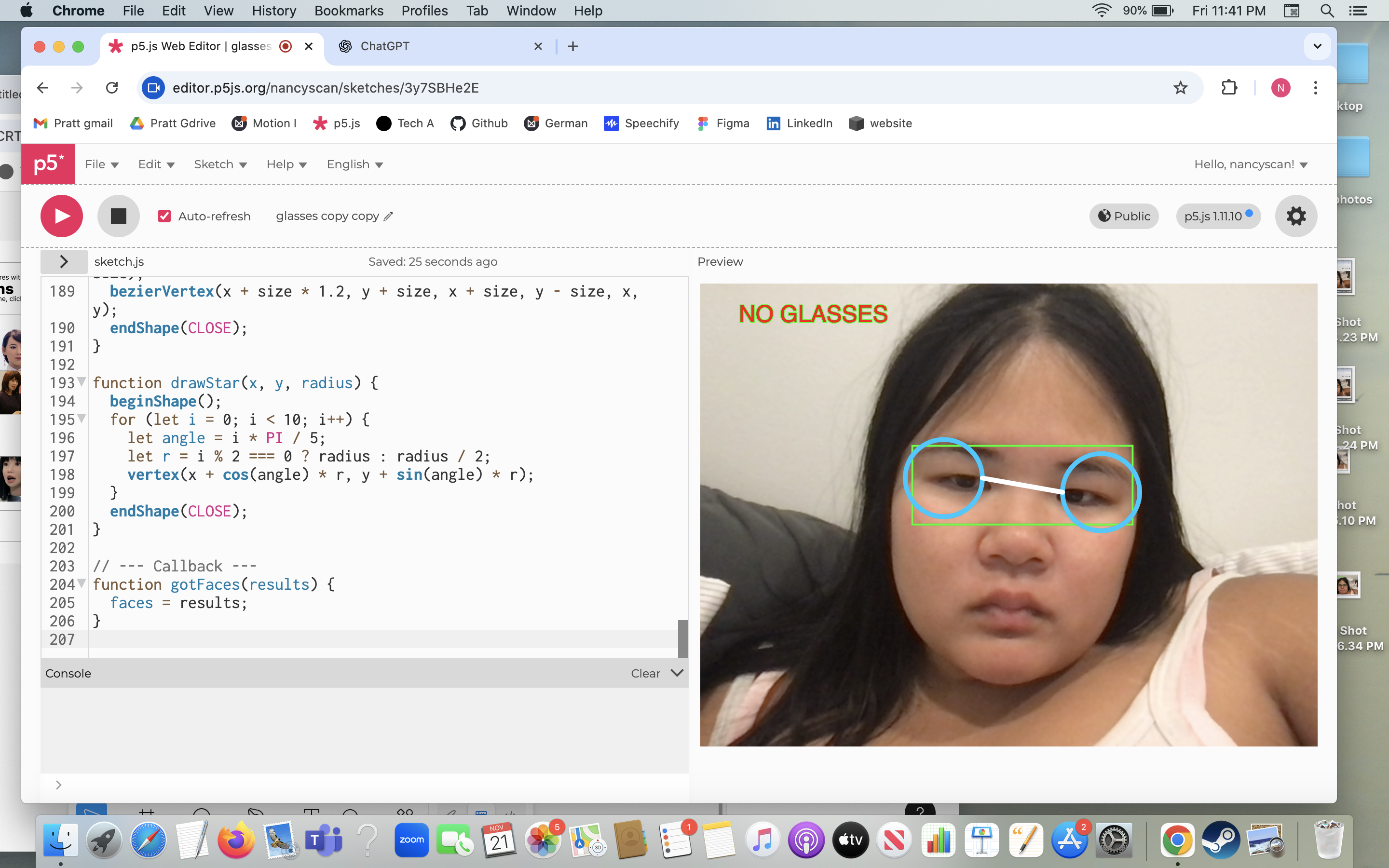
So my idea for the last project will be within the glasses community. I want my code to detect each person if they have glasses or not. This code I have linked below can be shown for the open class. To detect people walking around. But an animation, for example use of lerp/ flocking, I can do something with the glasses shape. Or animation of what my code does. Maybe the glasses shape can morph into another glasses shape for randomization and "smooth" animation.

Credits & References

I used ml5.js. As well as P5.js reference. And chatGPT.

Week 13

Project file 1
Project file 2
Project file 3
Live Demo

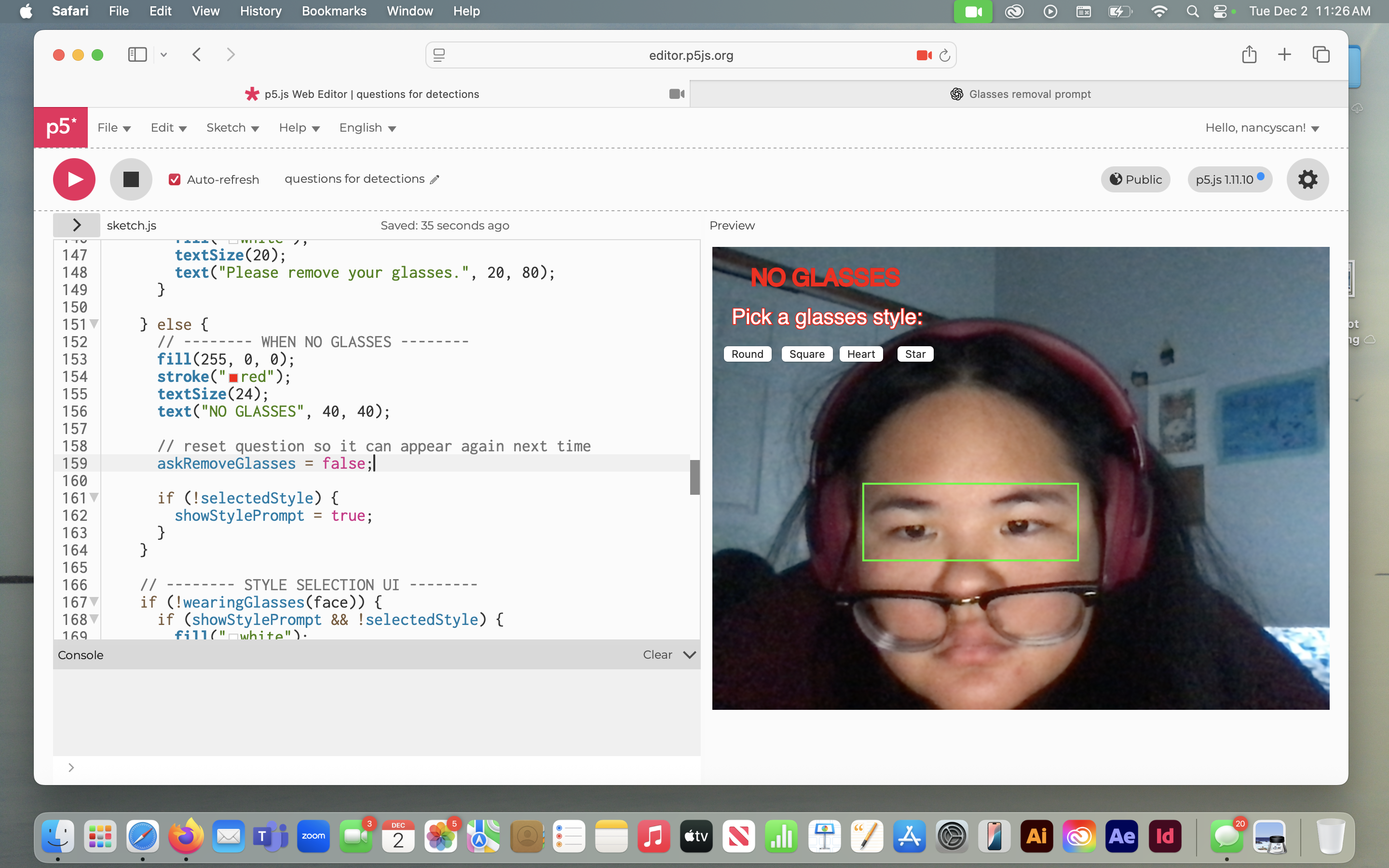
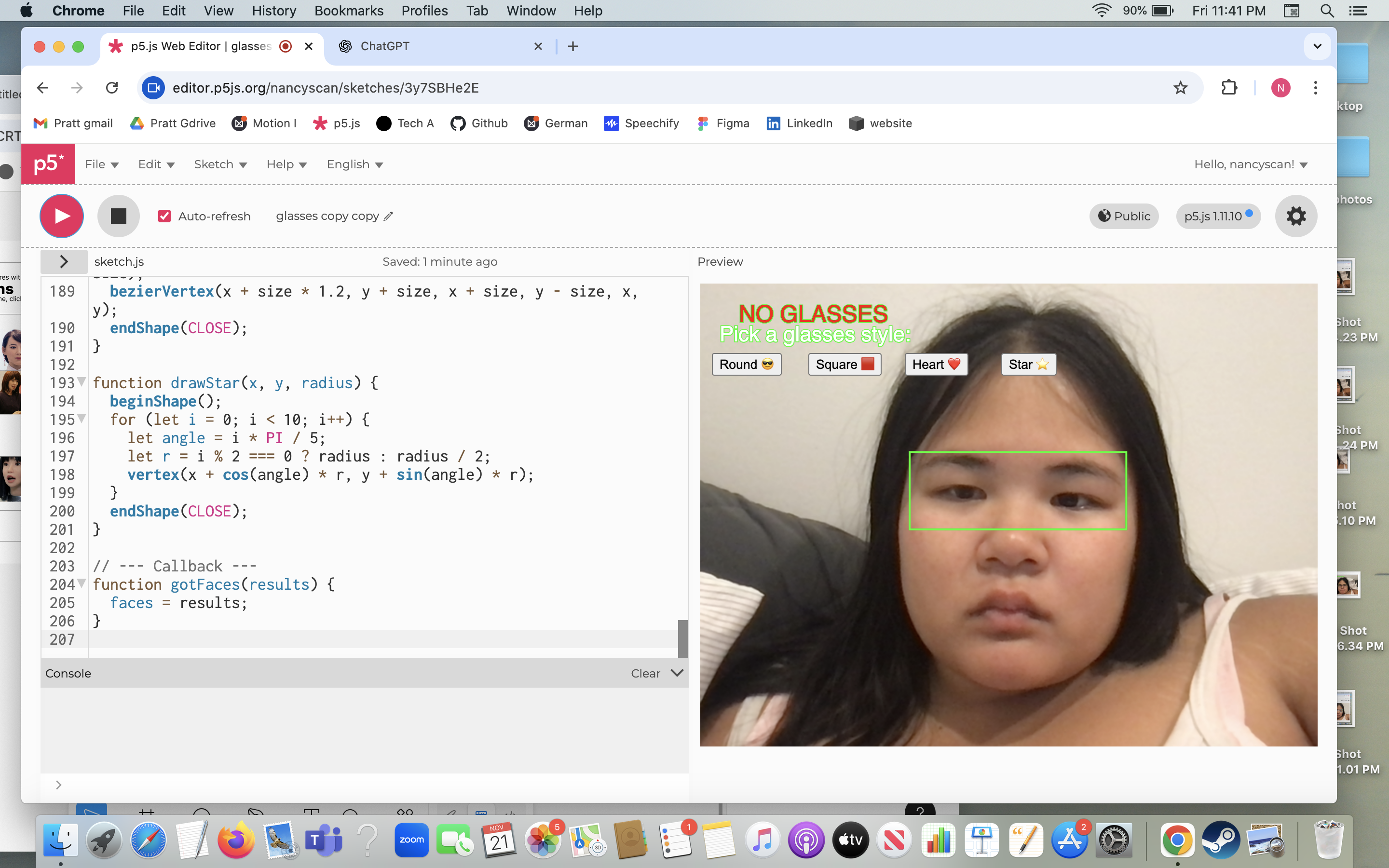
To continue with my idea of depicting glasses or no glasses. I wanted to make a system that was interactive by not only the camera but when the audience sees if they do not have any glasses on they can add fun glasses on to their face. With the use of local memory -- it can reset after selecting one of the four options. So you can try another pair on. I was thinking about adding a take a photo button on the bottom of the screen so the audience can share it. If an audience member has glasses, then it won't ask the question.

Credits & References

I used chatGPT with the buttons. As well as getting help with the glasses shape.

Week 9

Project file 1
Project file 2
Project file 3

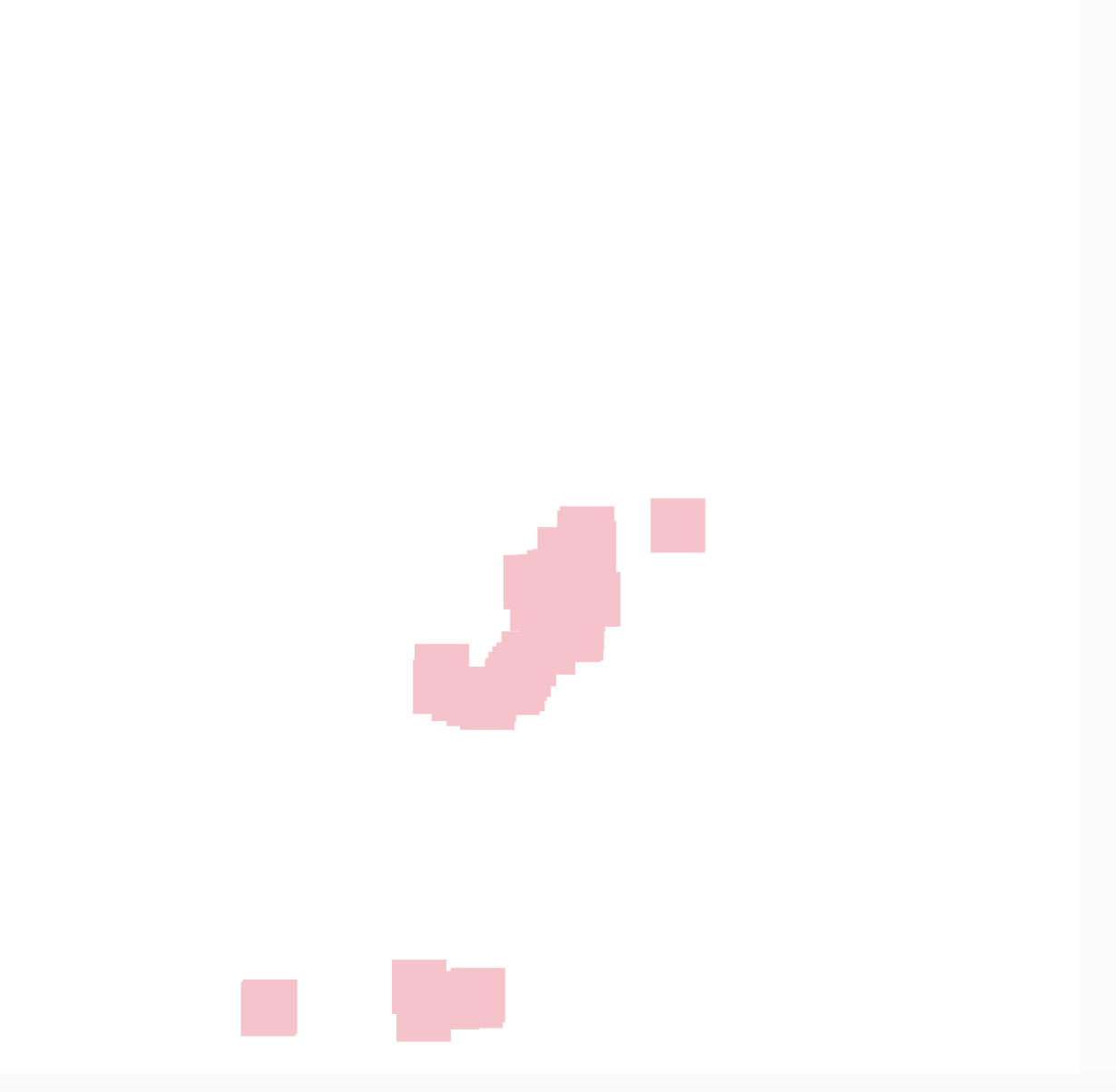
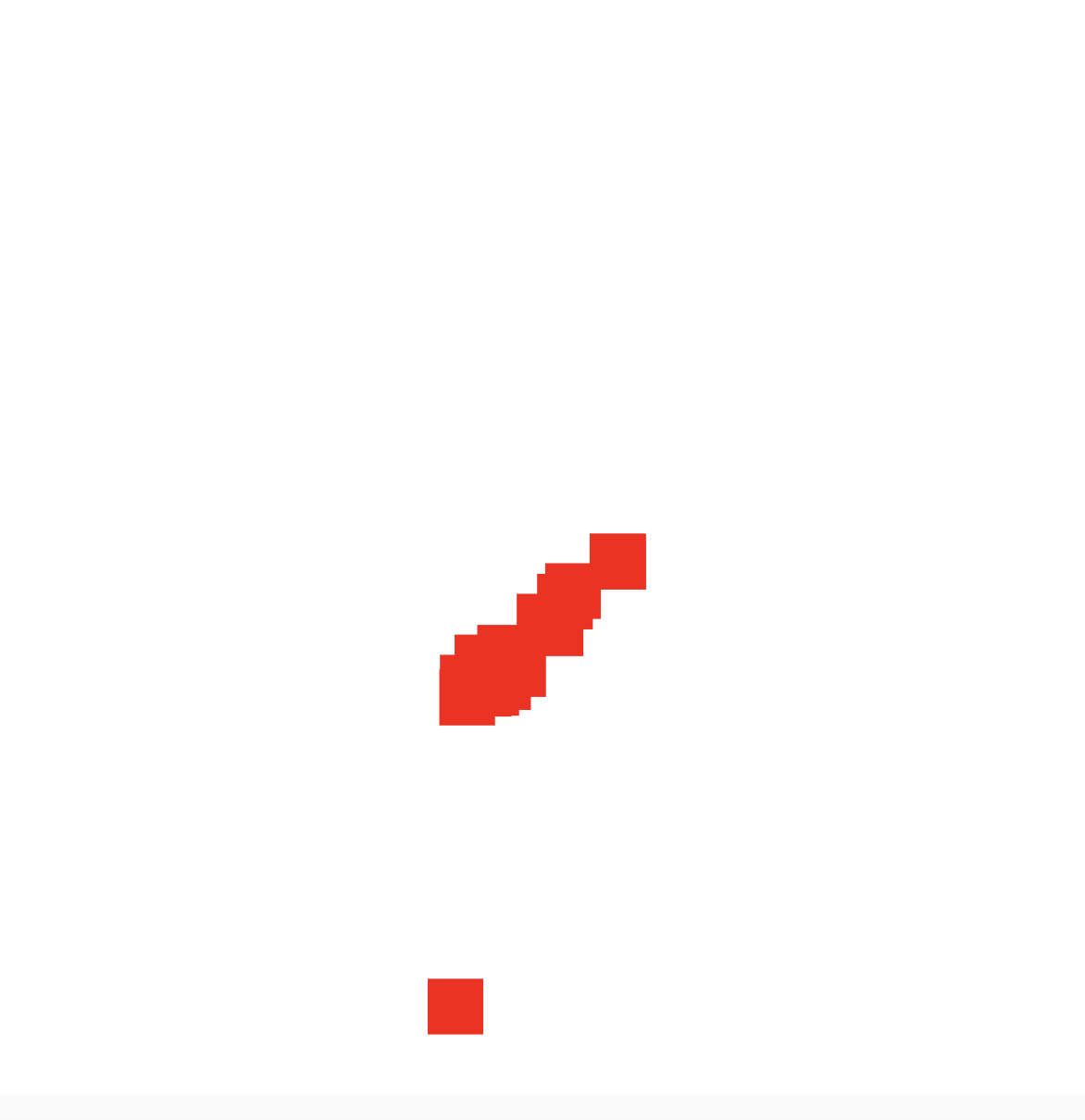
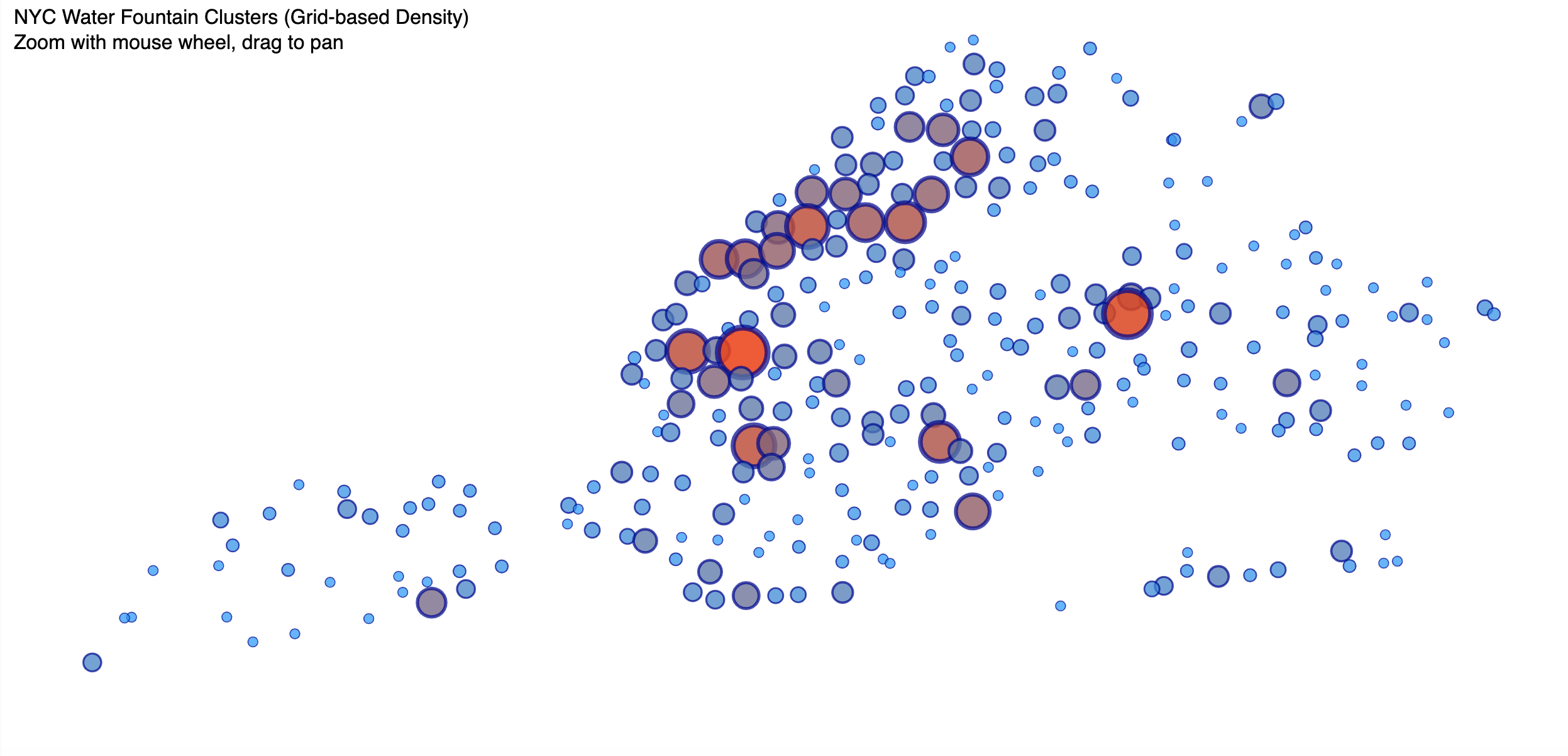
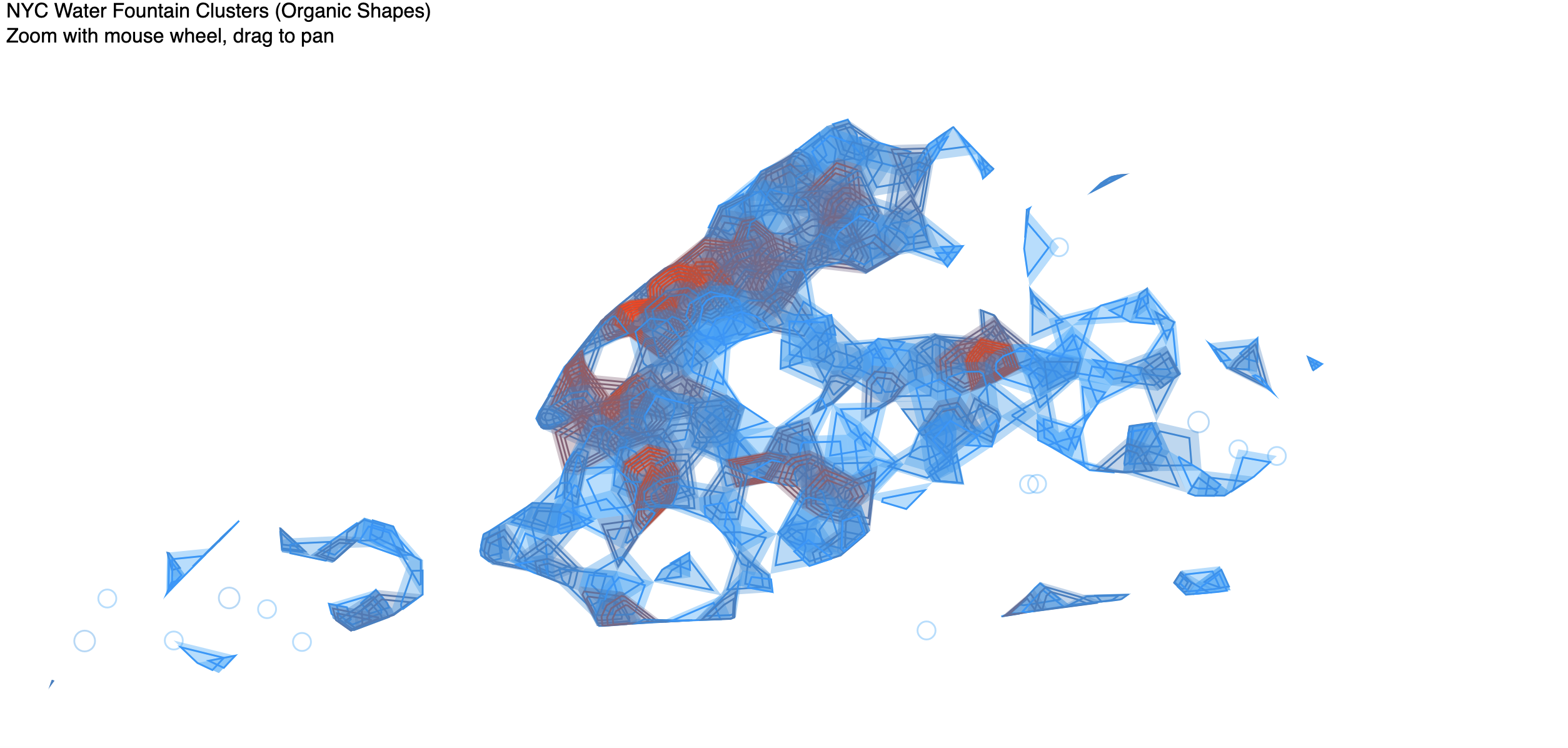
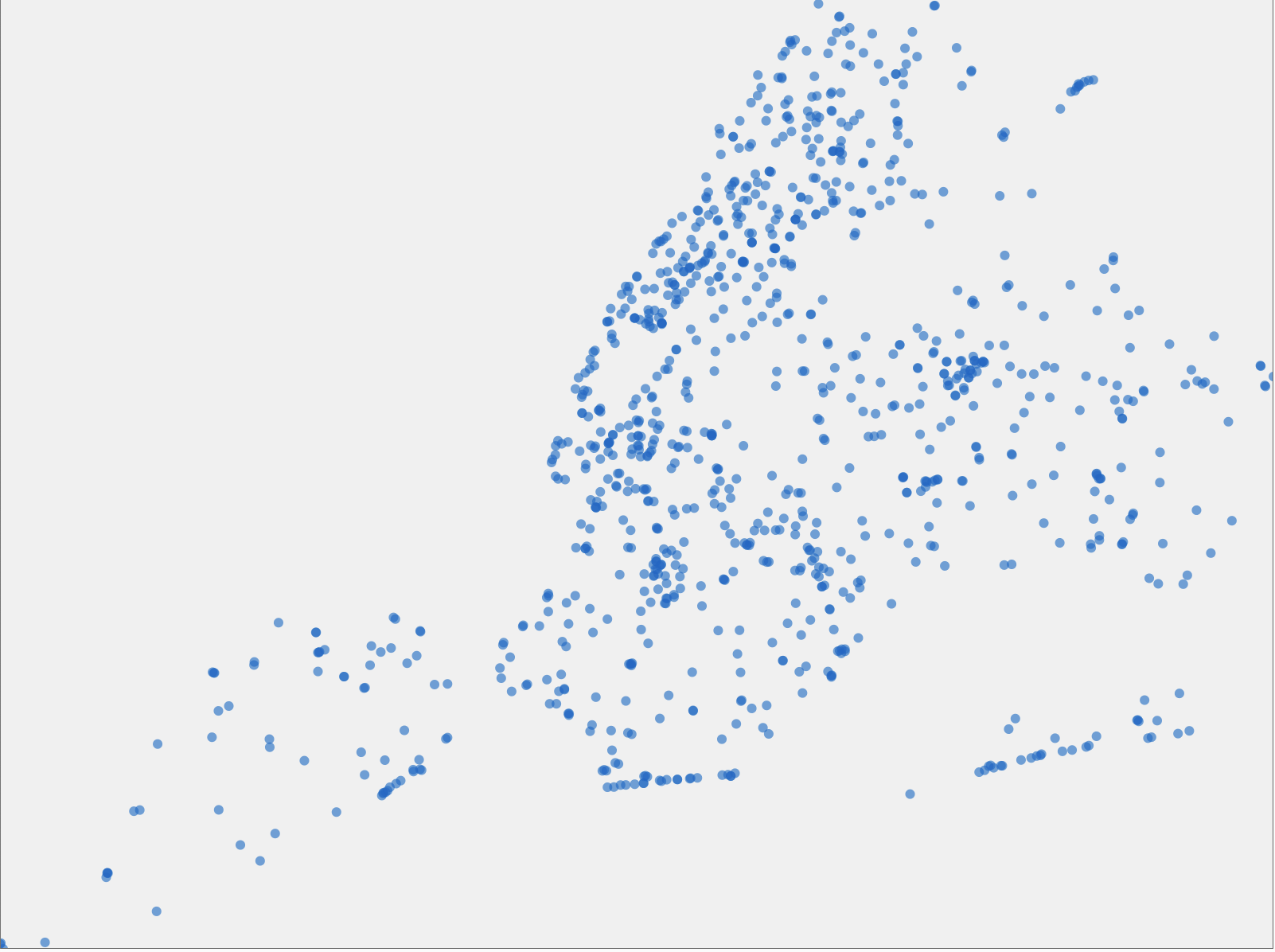
So this week, I worked with the professor on how I can simplify my code into something I can adjust easily as well as understand. My initial goal was to show the highest density of water fountains in Manhattan parks but did not know what type of density to correlate it with. We then chose the radius of a fountain to show the density. If I randomly pick a fountain in Manhattan it can show the other nearest fountain. In this weeks assignment I divided my layers into the high. medium. and low density files.

Credits & References

Chat GPT to help me null the other colors when singling out the density type. As well as professor Munus's 1 on 1 call.

Week 6

Project file 1
Live Demo

For my data set I picked drinking fountains in NYC parks. I know how important having accessible drinking water is. I take it for granted while people throughout the country/ world that do not. While thinking about this problem of how water is inaccessible, I think acknowledging how many public water sources there are in NYC and even asking for more is a step in the right direction to set an example for other cities places to make sure it is available.

Credits & References

Thanks to chatGPT. I was also looking at wikipedia commons for nyc maps to put behind the GEOJSON, but the images did not work loading.

Week 3

Project file 1
Live Demo

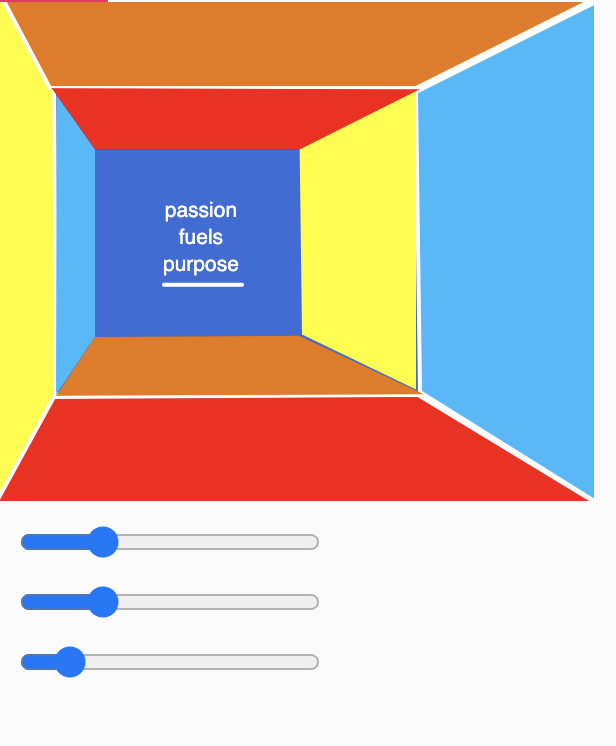
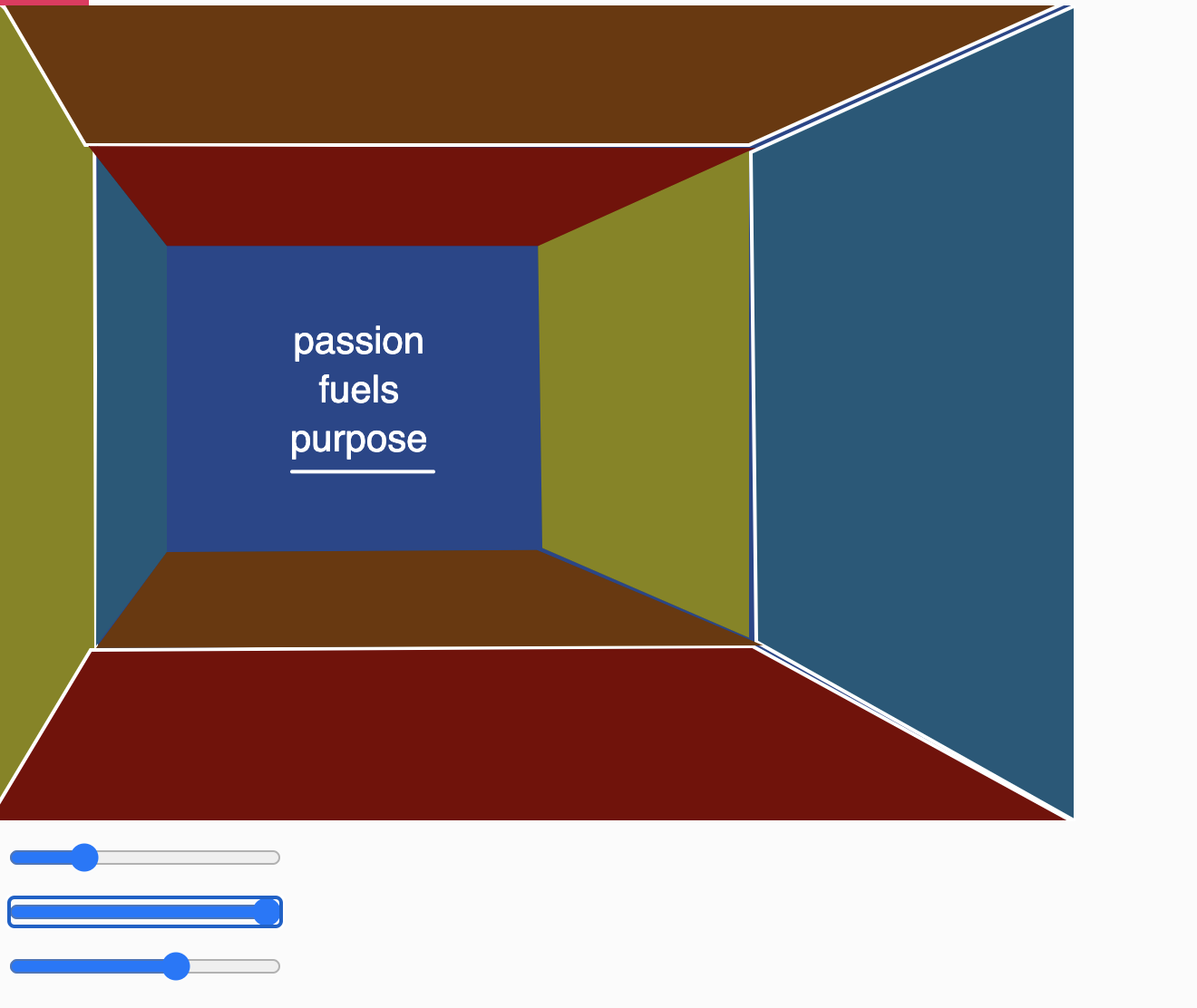
For this weeks assignment, I re converted to my original theme. And added a different aspect GUI and randomization. In addition to my GUI and randomization-- I added my constable. My constable (if-else) code goes along the lines of if my canvas size is 200x600 the color palette changes to monotone,, else it will be the default colors I have in code. My GUI is regarding the different weight of stroke. My minimum is 2 and my maximum is 5. Then my two other GUI's are regarding the X and Y axis of my canvas size. My randomization is regarding the canvas size curated once when it runs. My min is 200 and my max is 600.

Credits & References

I used chatGPT to help me with my code ideas and how to execute them. Especially for the monotone palette for my if-else constants. Also I used chatGPT to help me change my design to respond to canvas size being changed. So it automatically makes sure the design looks the same on each different looking canvas size.

Week 1

Project file 1
Project file 2
Live Demo

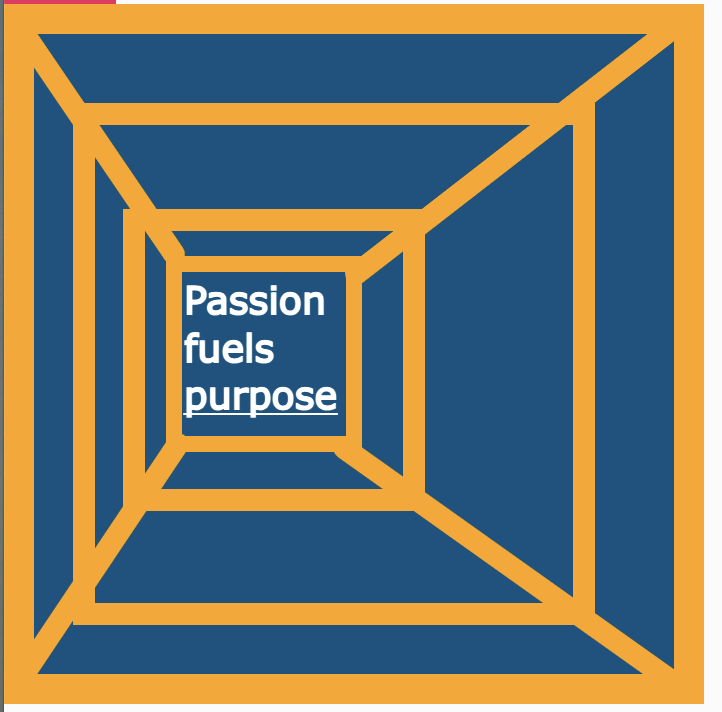
Choose a short text. I chose 3 words that are meaningful to me. When I was playing around with custom shapes, I thought it was interesting but did not fit my words. So I repeated a shape that became more abstract.

Credits & References

P5.js reference page!! More specifically the textWidth() code. As well as beginShape() and endShape() code. Very simple design with quote. Didn't include pictures or anything.

Week 14

Project file 1
Project file 2
Project file 3
Live Demo

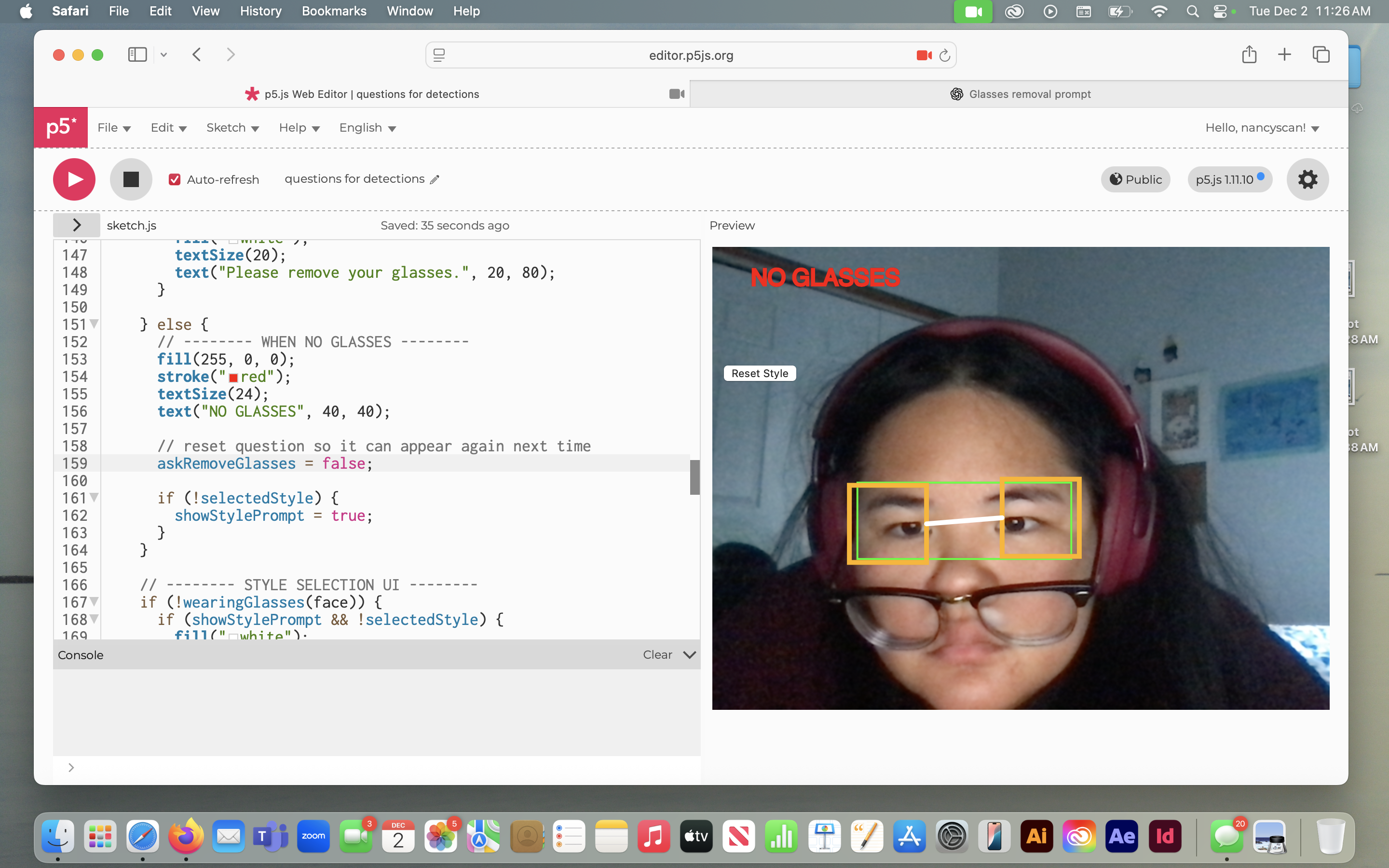
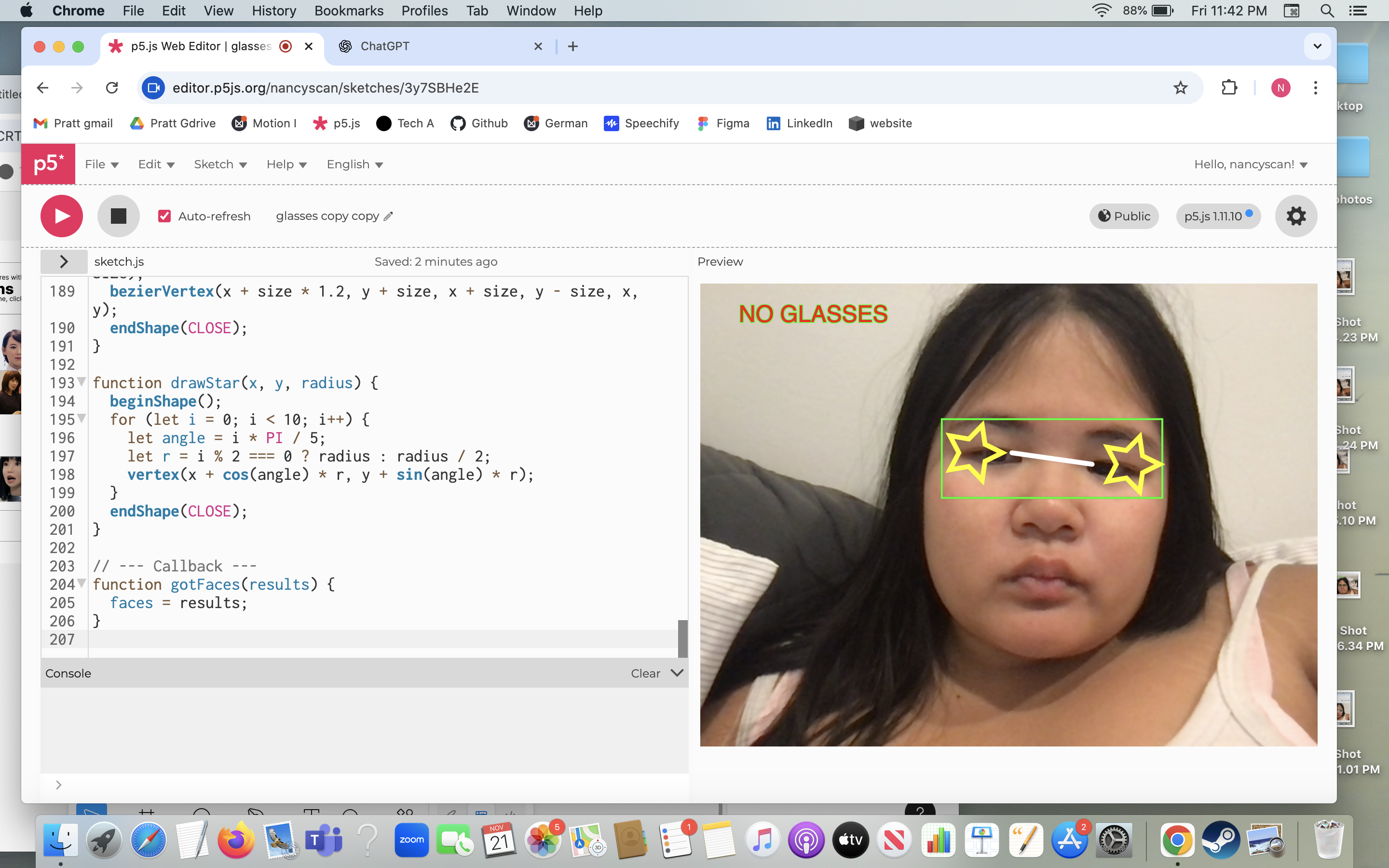
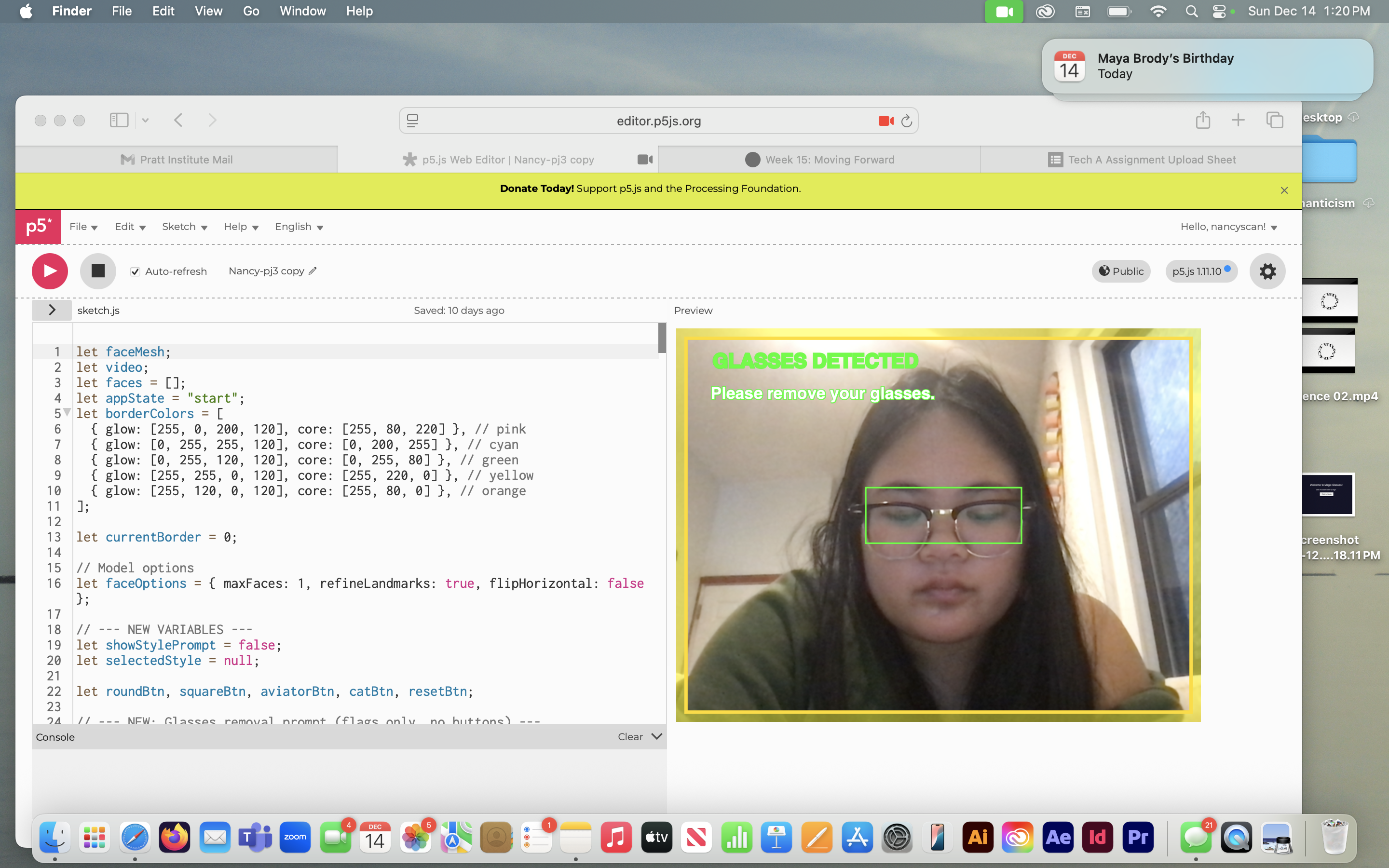
So as I got the system down (sort of) with detection of glasses or not. I wanted to incorporate the if/ else statements that included people with glasses. Before the prompts were towards people without glasses to be interactive so why not add to the fun for people with glasses. In this weeks assignment I changed the UI interface and had prompts to the glasses detected area. There are more things I want to do like have more realistic glasses options as well as simplifying it more.

Credits & References

I used ChatGPT. As well as the m15.js face mesh.

Week 10

Project file 1
Project file 2
Project file 3
Live Demo

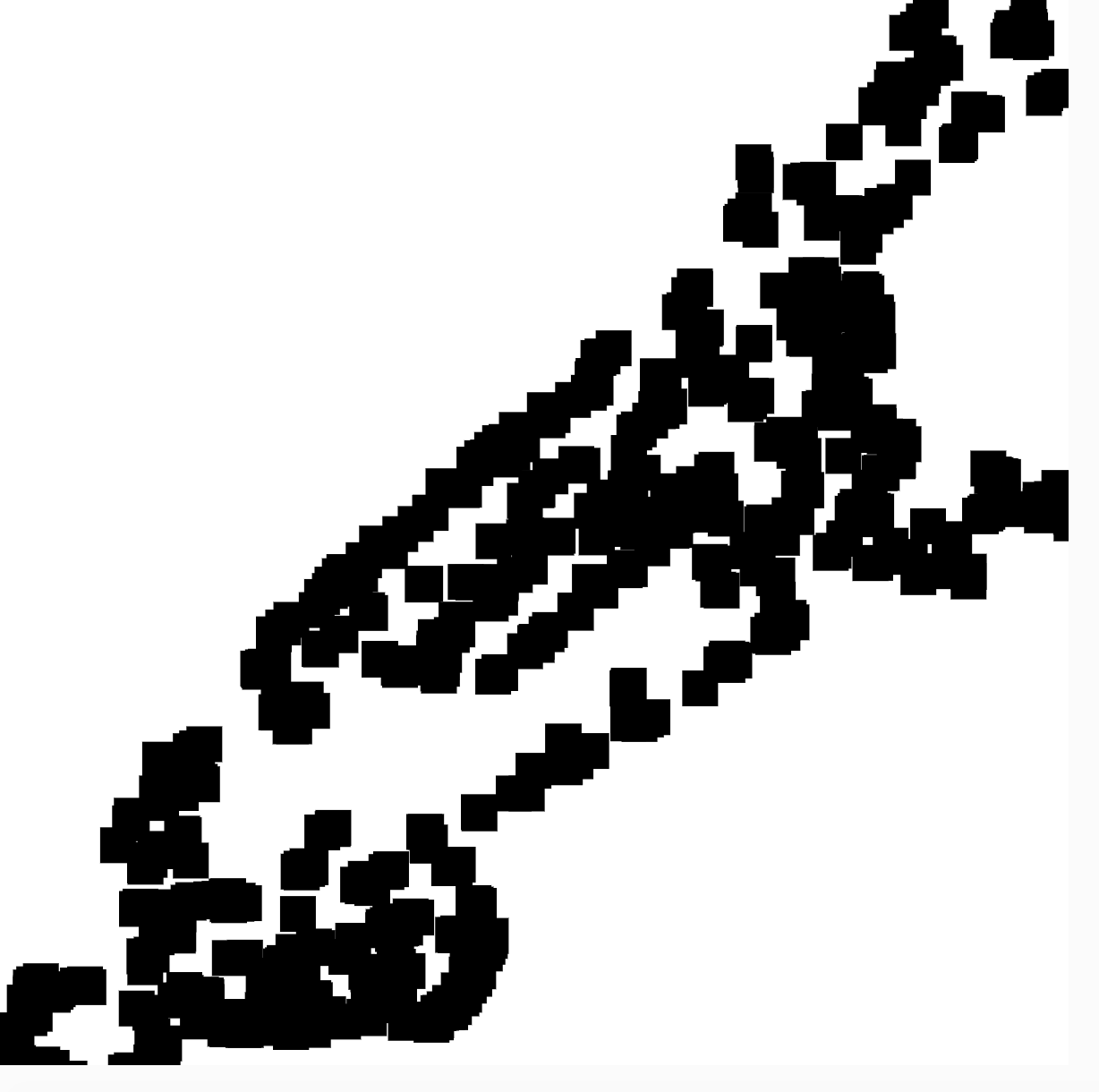
This is my previous data that isn't my updated one. But this code showcases how I was planning to create my physical sculpture for the open class. I wanted to make sure that each of the density neighbors has their own p5.js file so I could line up the density on a map. Then with this data I made sure that I could correlate my layer idea to my concept of low-high density.

Credits & References

I used a link for my map for my final physical project and the open data source for my JSON.

Week 7

Project file 1
Project file 2
Project file 3

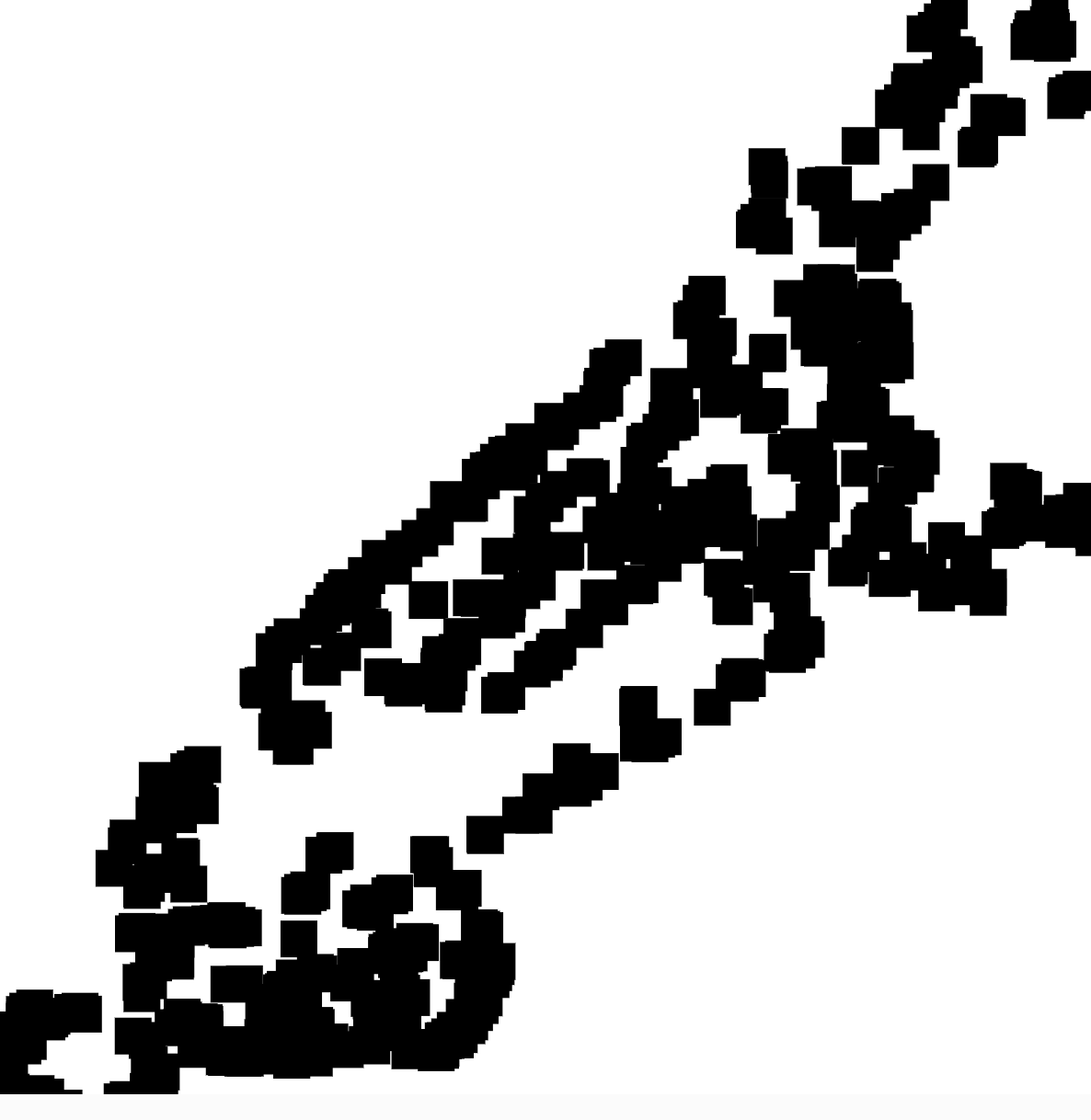
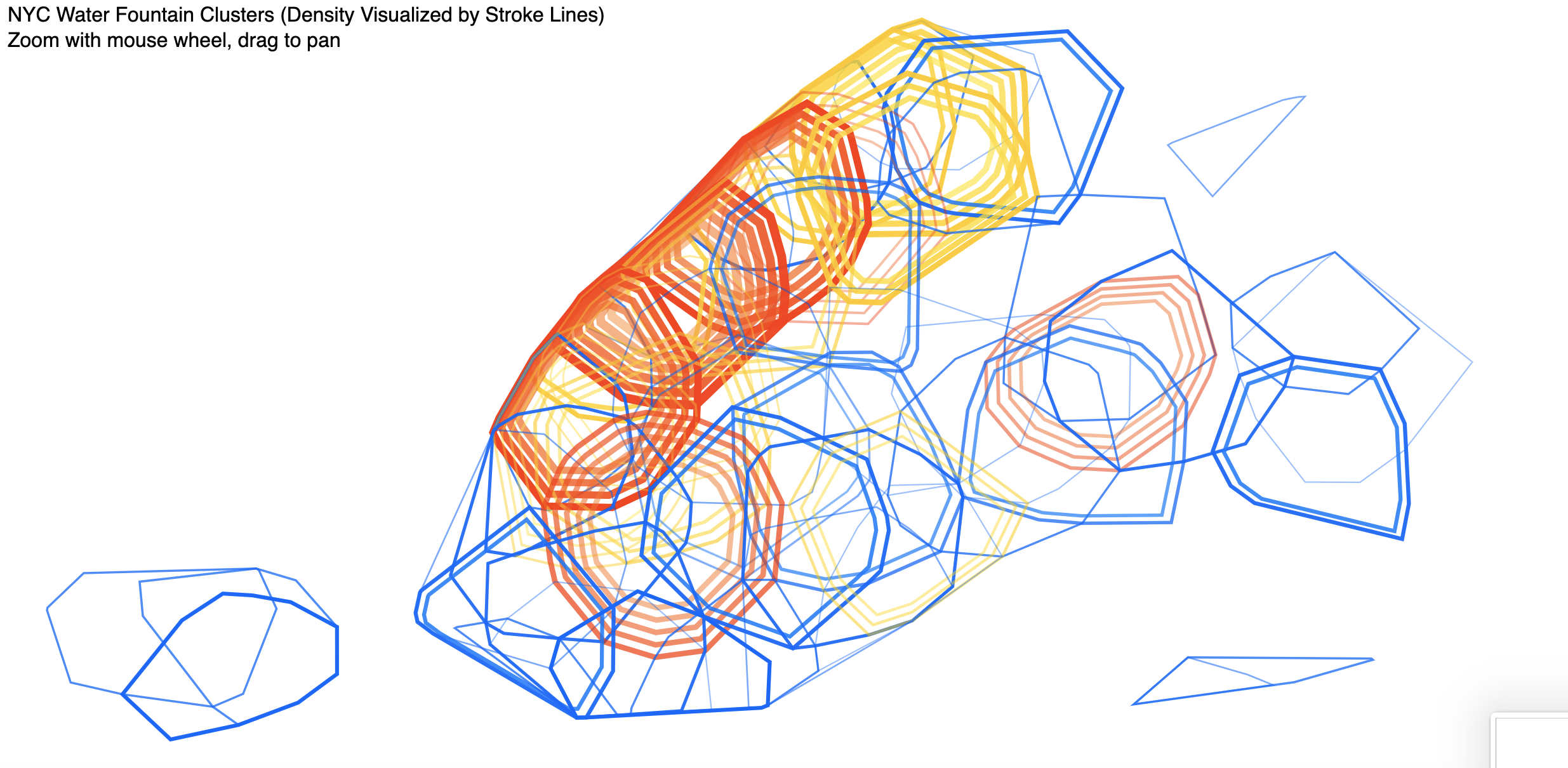
I came to the conclusion that I want to use laser cut to make a terrain of nyc. For example the wood-cut terrain models. It would be essentially a map of nyc showcasing which areas have the highest density, middle density and lowest density. I have a specific idea of a heat map in my head to reflect a design in p5.js but it is challenging. I want a custom vector shape to represent an area of high density and so on. If I have the chance I will add lines growing inward to show that it has the highest density,, Lesser lines for the lower density. I found this good tutorial or p5.js file but it was html. It was because it is a Leaflet. So i'm wondering how I can change that into vector shapes. But I think I did okay to replicate what I work or closer to what I want to achieve.
Credits & References

I want to credit the youtube channel Coding train by Daniel Shiffman. Especially this video : Coding Challenge 181: Weighted Voronoi Stippling. I was having trouble getting p5.js to not use shapes but color to reflect a heat map. So Voronoi came up. I dove more into it. The template [link] helped me a lot. As well as [link]
I also want to give credit to the coder that did this in p5.js. even though it was html it helped me see the vision I want to go towards. [link]
Also I credit chatGPT for helping me combine my ideas with these references

Week 4

Project file 1
Project file 2
Live Demo

For this new version of my code, I made sure that the strokes of my shapes were only the bigger ones. So there are noStroke for the smaller shapes to make it look cleaner. Another thing I added was the color palette. For the color palette I wanted it to decrease when the canvas size got smaller. So I thought about to tie the color palette to the canvas size that is being randomized 5 ways. I'm not too sure if I did this right but I see the palette changing when I drag it on my gui.

Credits & References

I used chatGPT to help me with my code. I had some trouble on doing the decreasing color palette. As well as if I wanted to manually modify my shapes to make it look cleaner.

Week 2

Project file 1
Project file 2
Project file 3
Project file 4
Live Demo

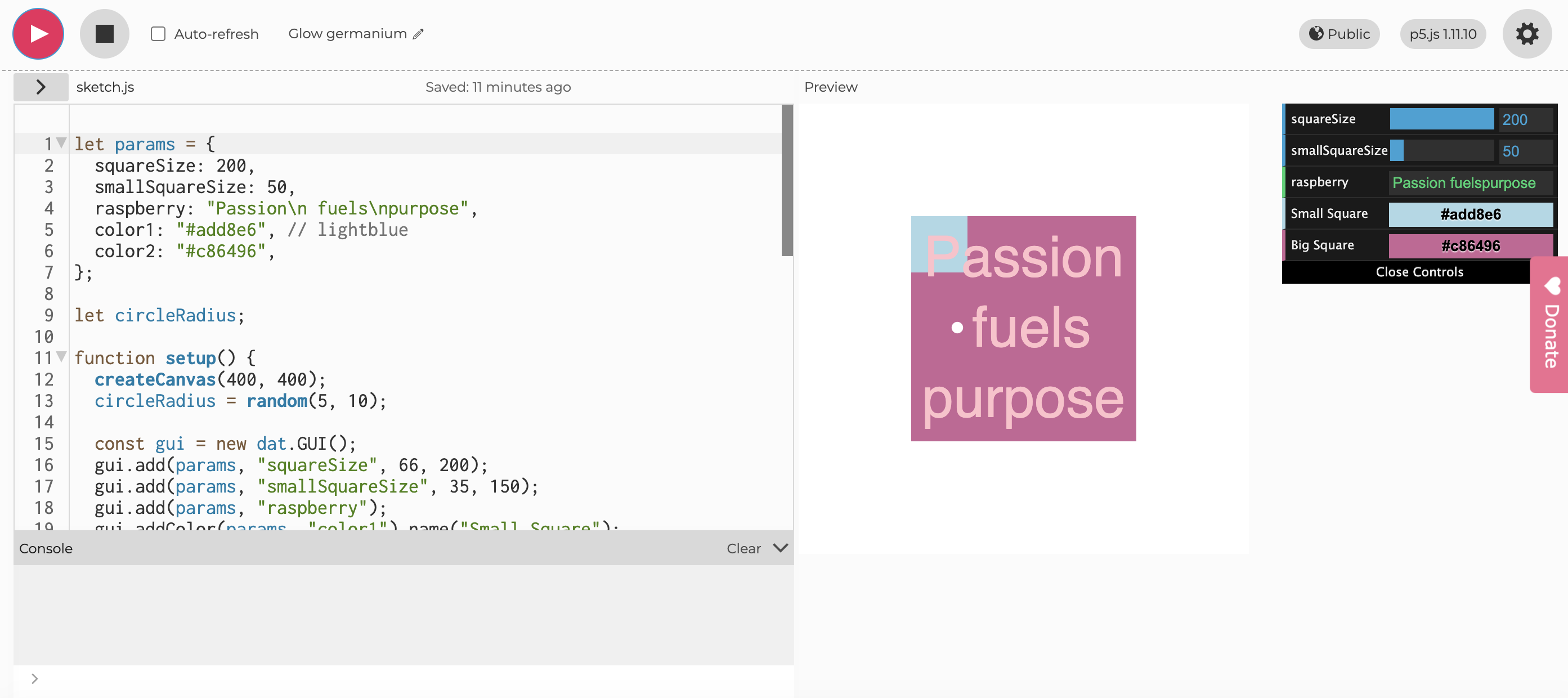
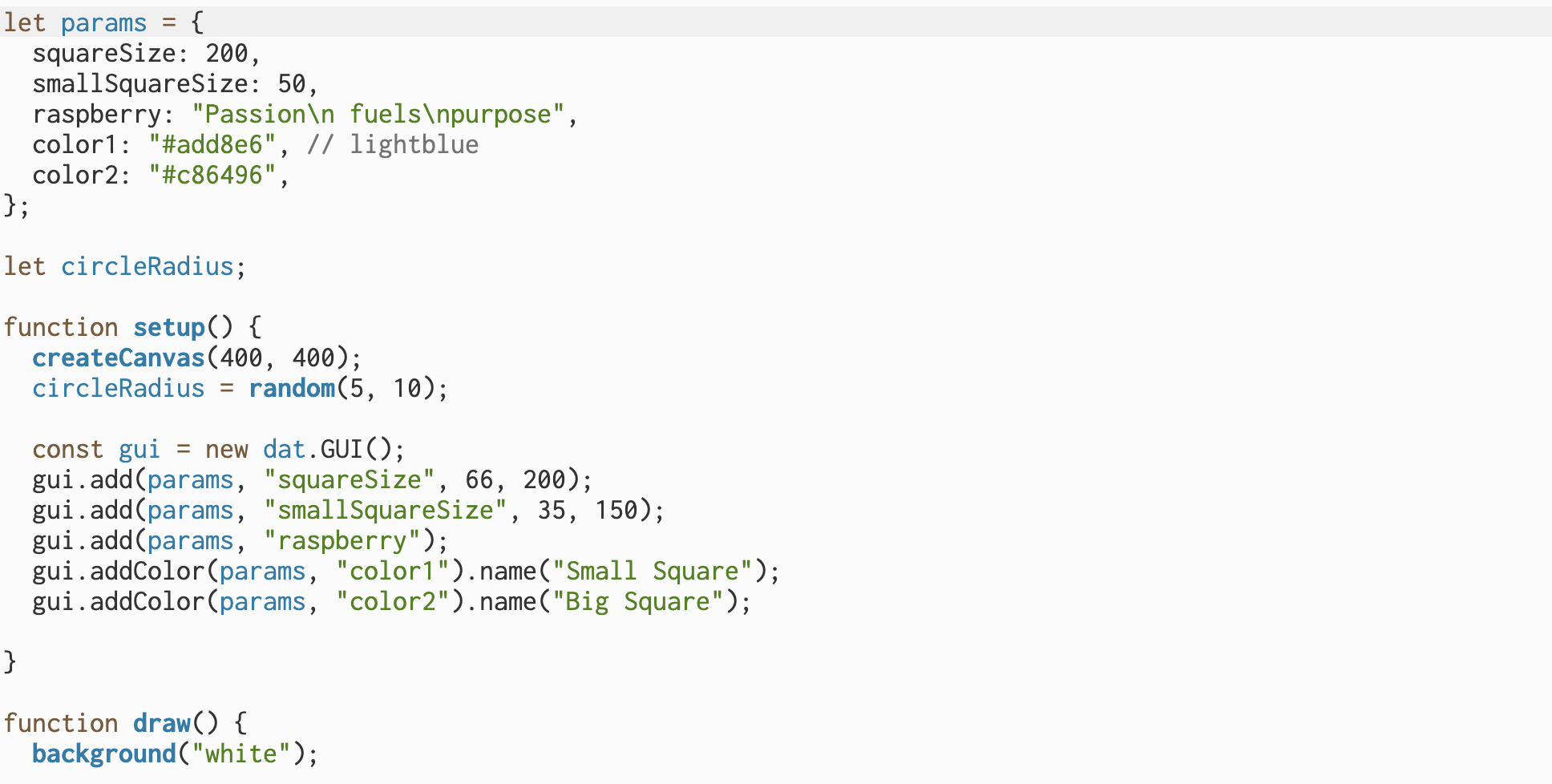
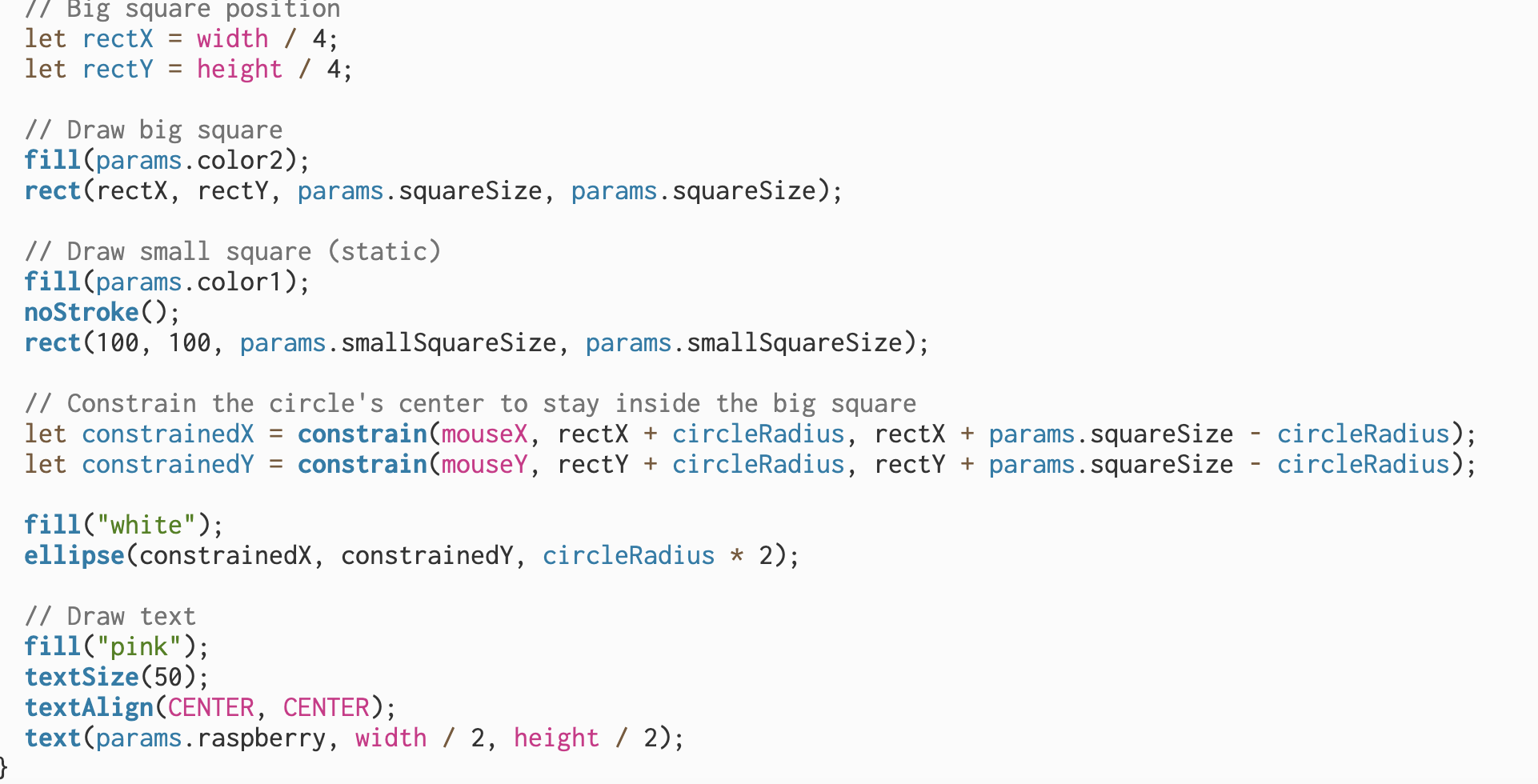
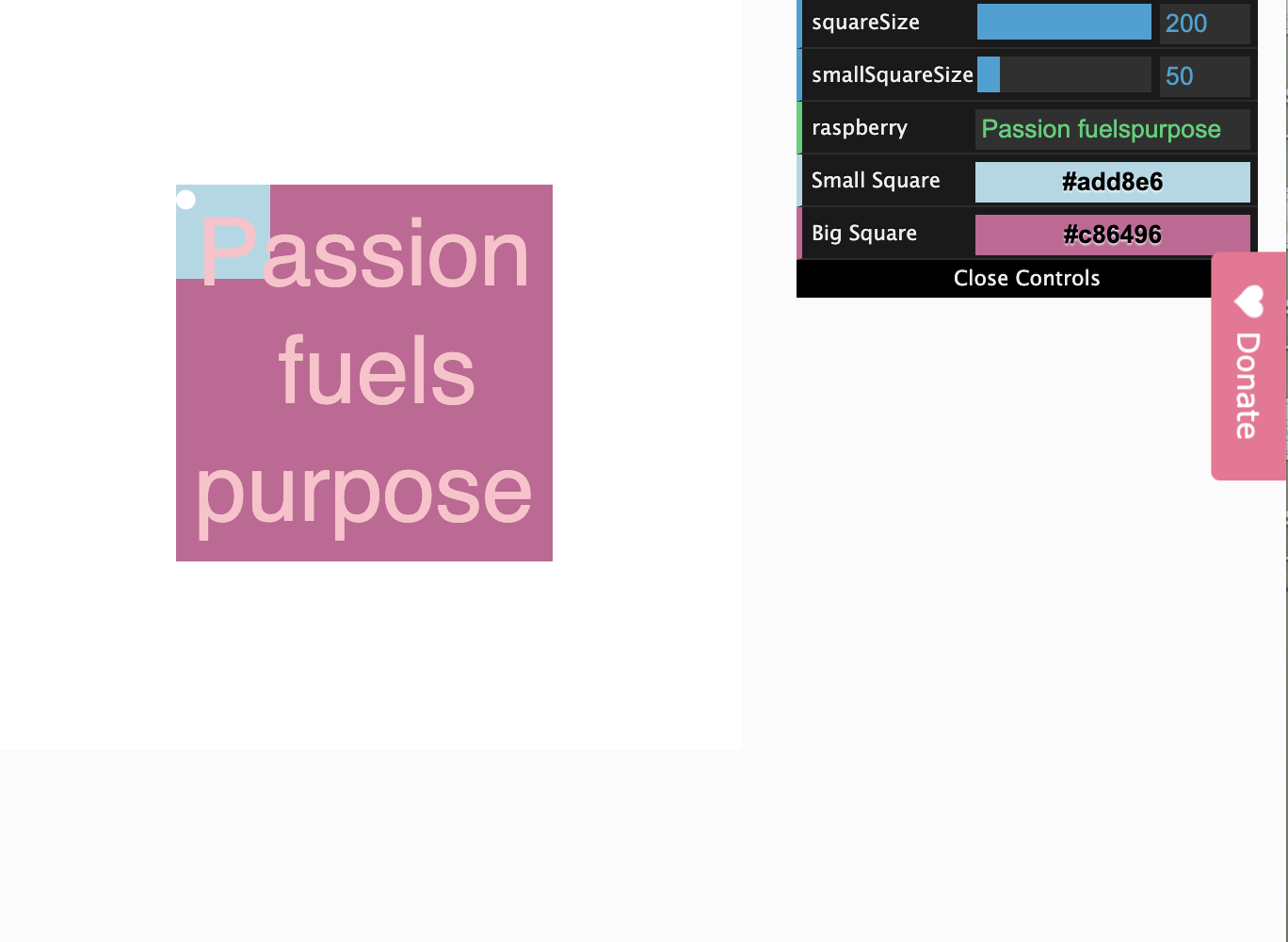
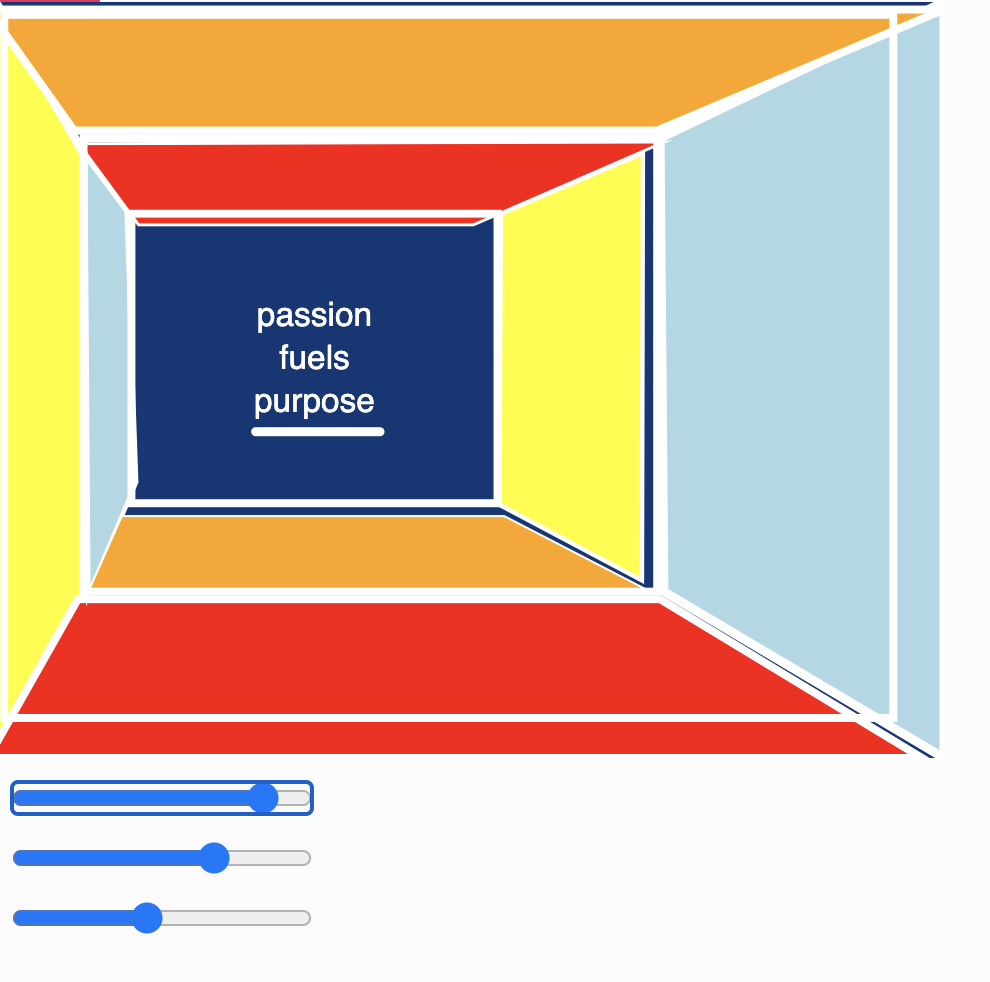
Continuing on with my quote of passion fuels purpose. I kept sort of the same layout when adding the GUI and variables. It is not completely the same but it's okay because it would've changed with the moving variables. First when I was working on this project I changed the shape of the circle to a square. And then I restricted the square to go to top left to bottom right. Having a fixed points. I did the same thing with another smaller square. Each of the squares you can change the size and the color. One last thing that I added was a constraint. There is a circle 'constraint' in the bigger square. Even when the square is the smallest it can be. Leading me to my randomization idea. In the constraint, the circle, every time the code is run/ restarted the size will be randomized 5-10. I wanted it to run once so I out in within set up instead of draw which loops.

Credits & References

ChatGPT: When I was unsure how to so the top left to bottom right scale I used this tool to help me. As well as check my work for mistakes in GUI. and P5.JS references: especially for the constraint.