Week 12

Project file 1
Project file 2
Project file 3
Live Demo

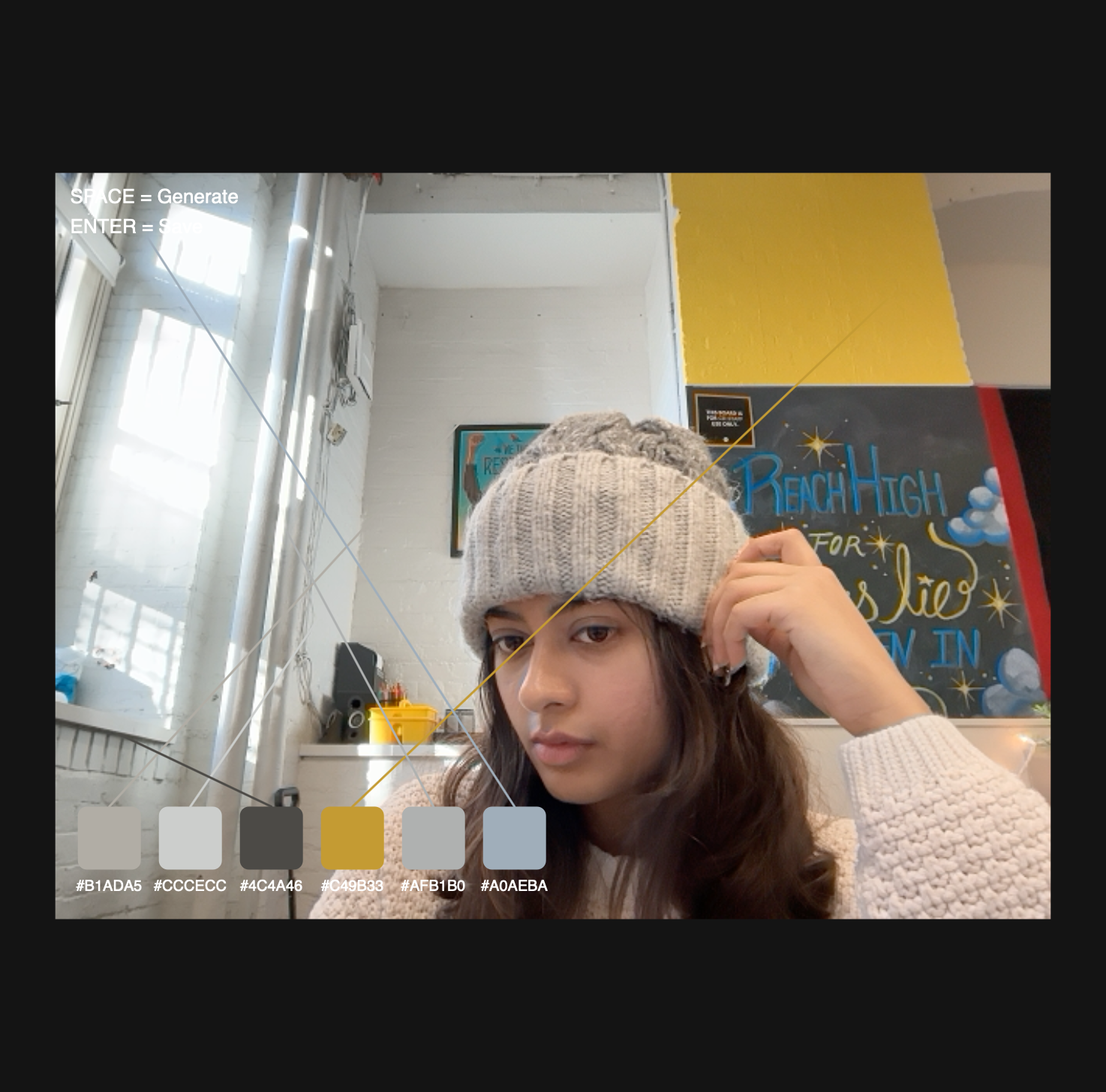
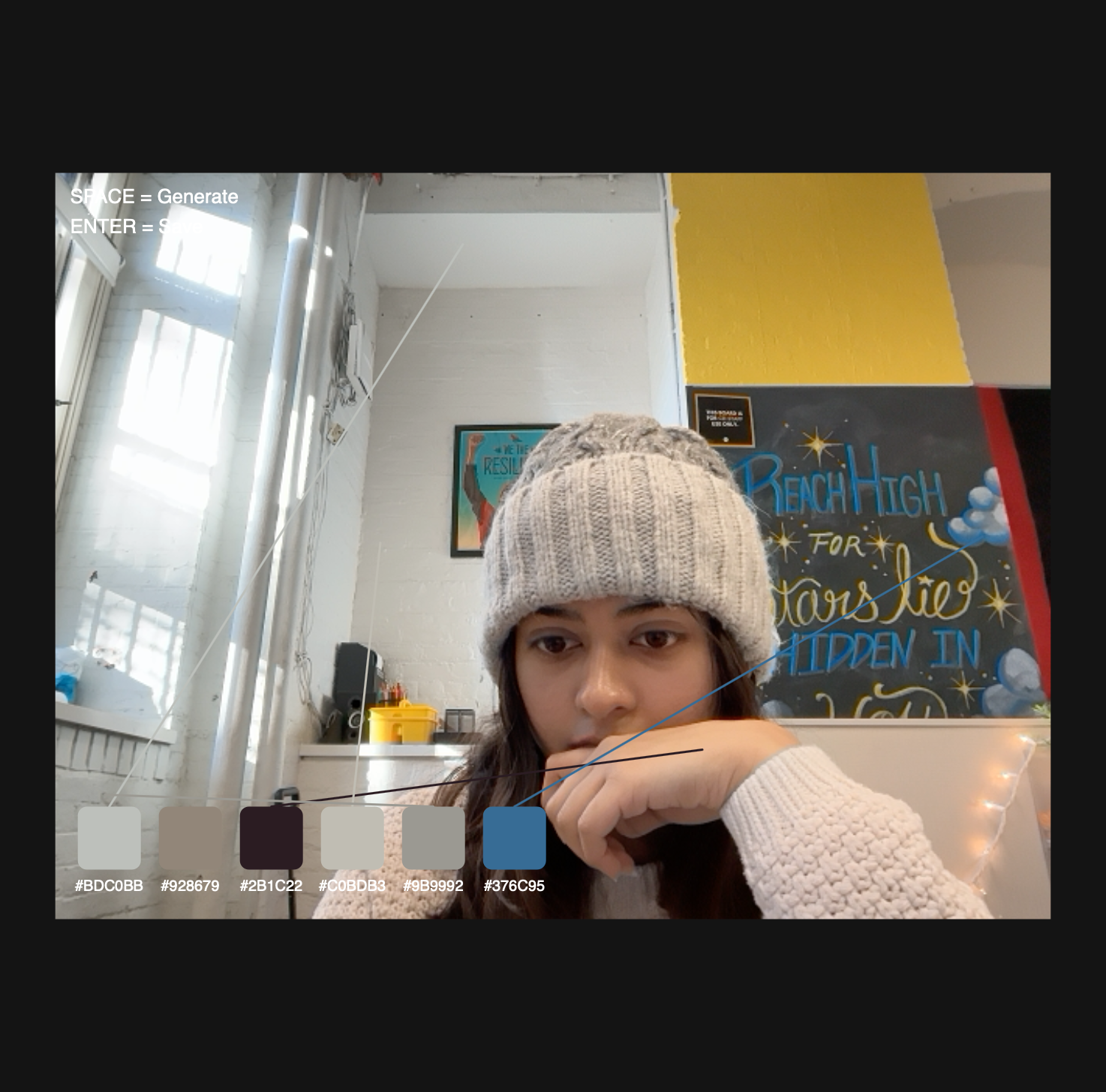
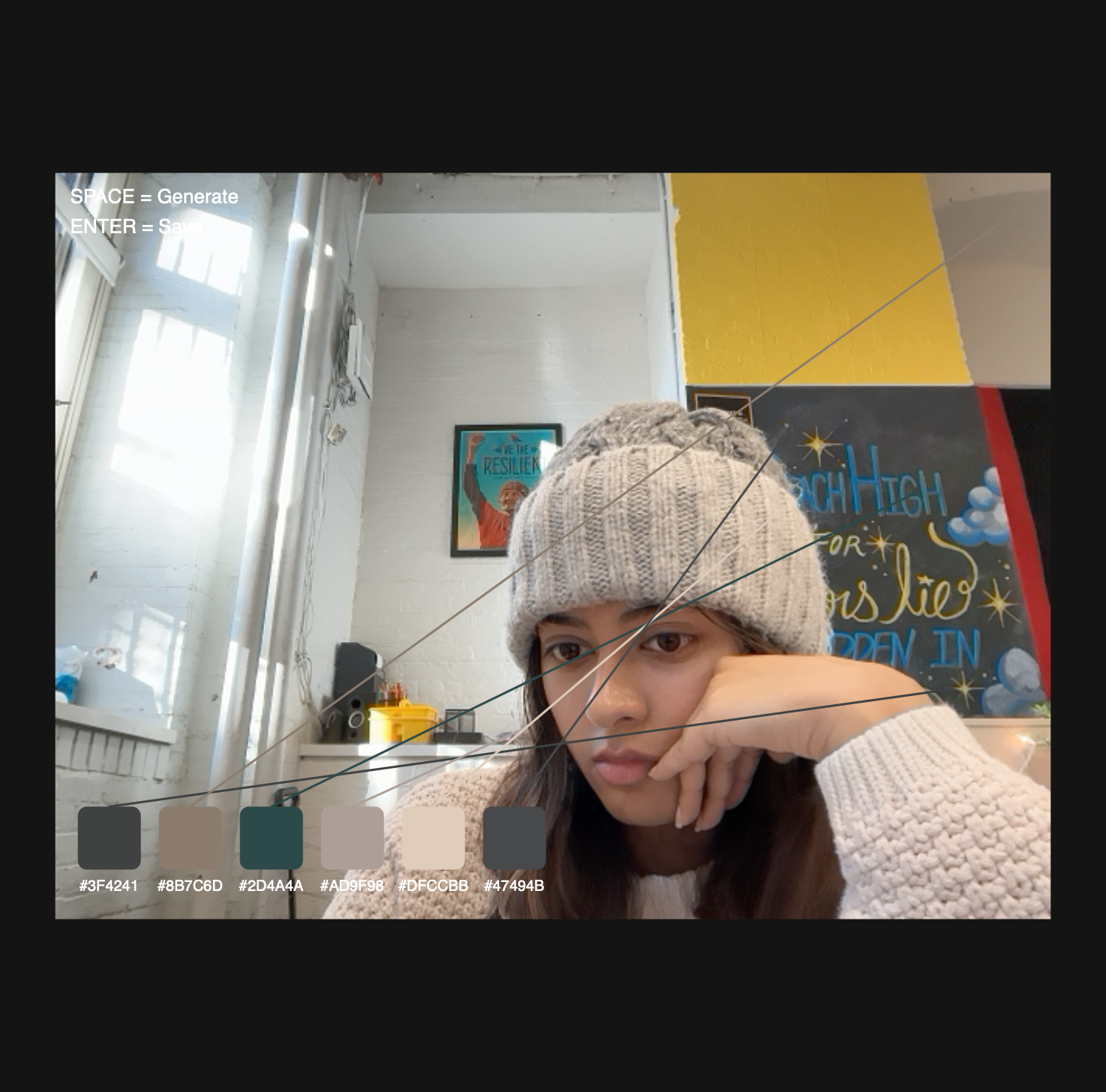
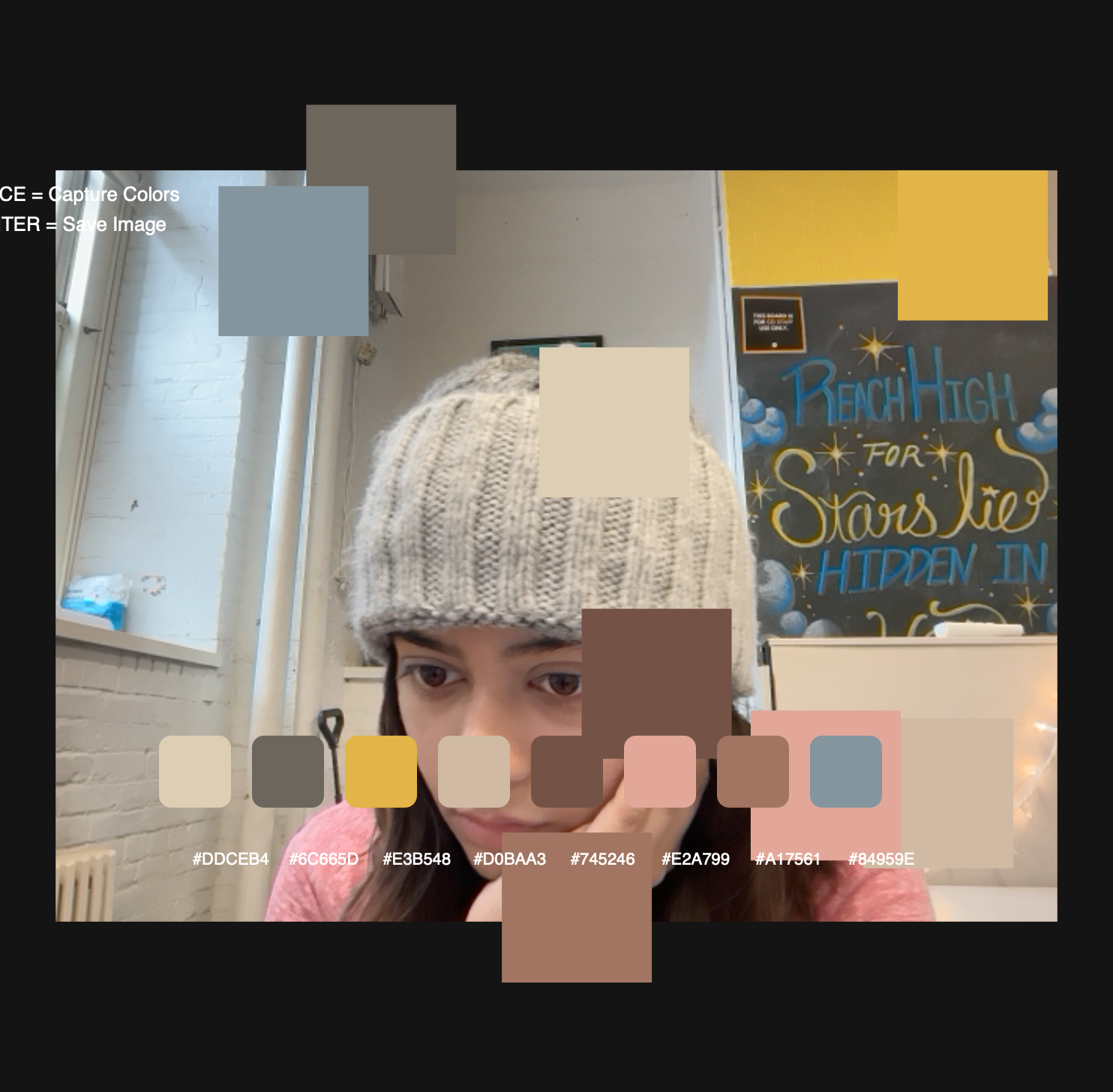
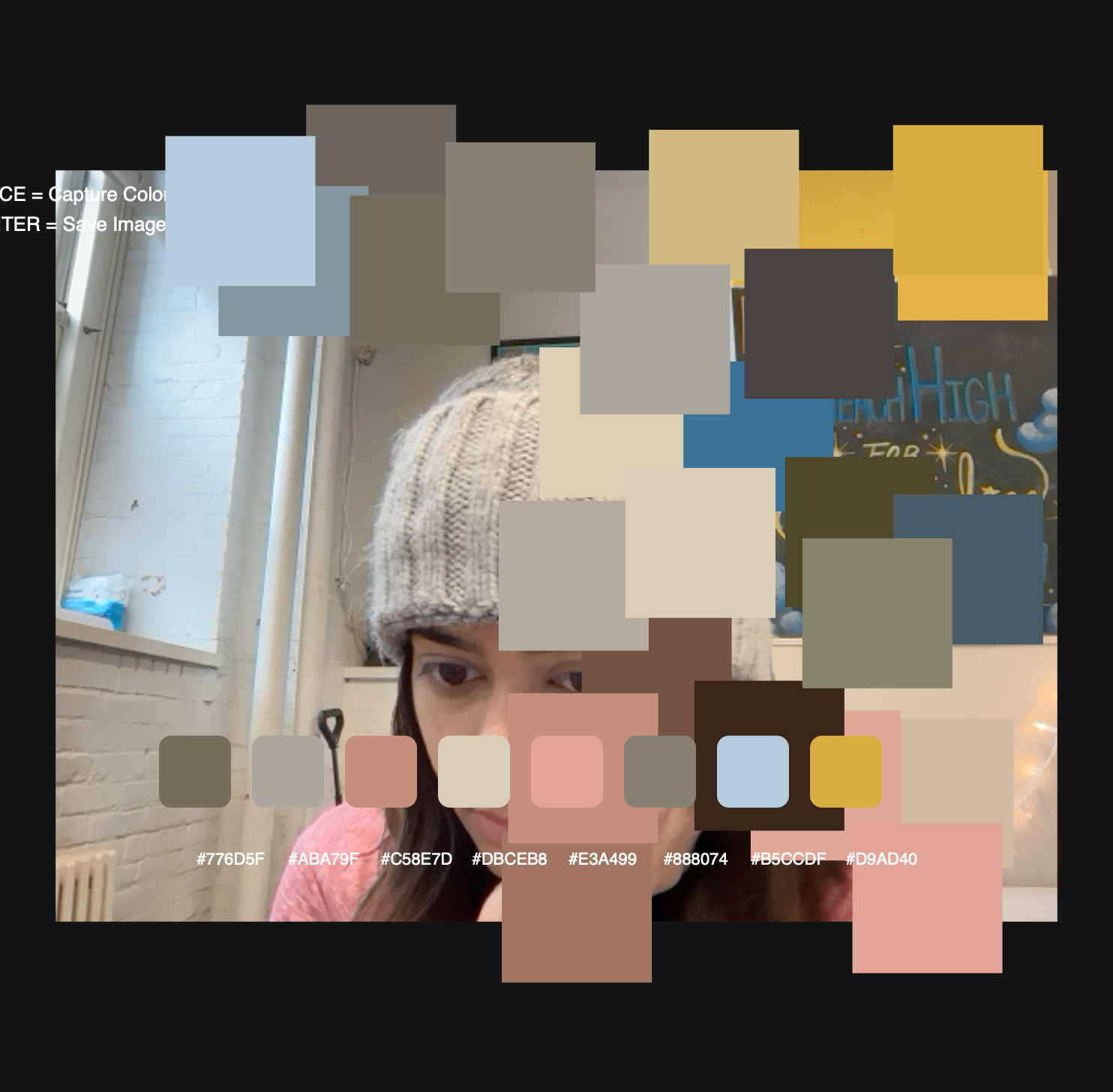
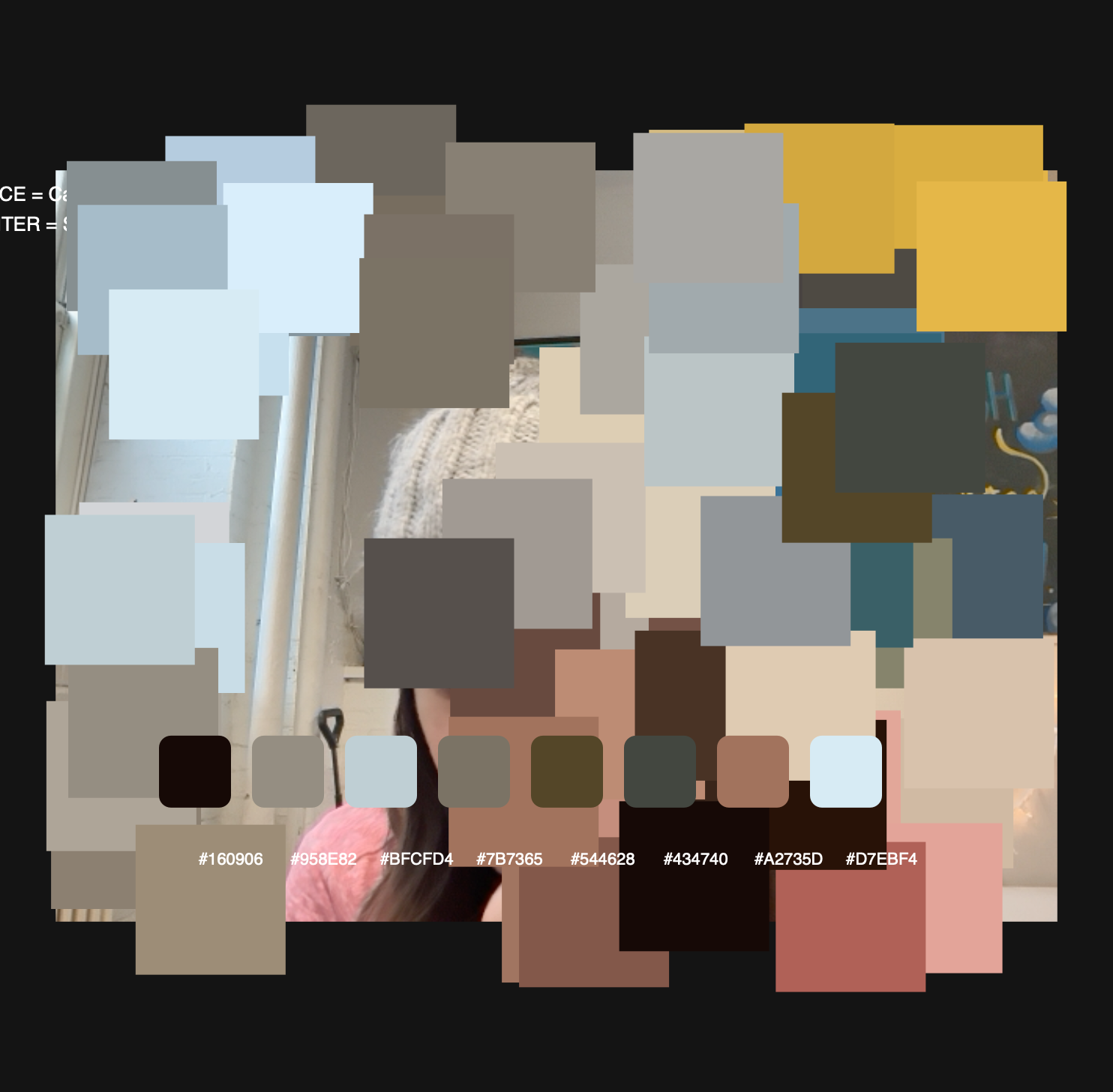
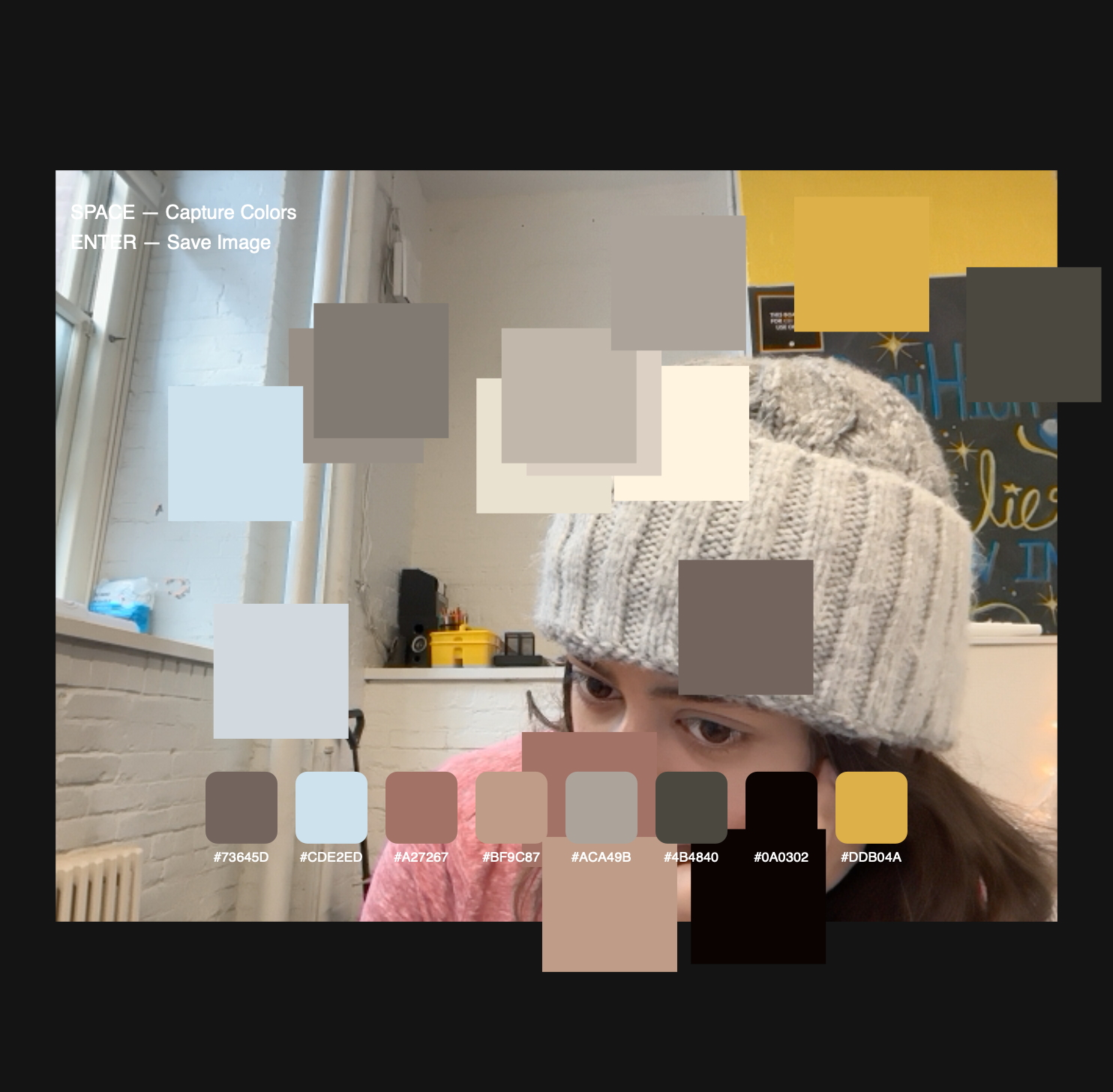
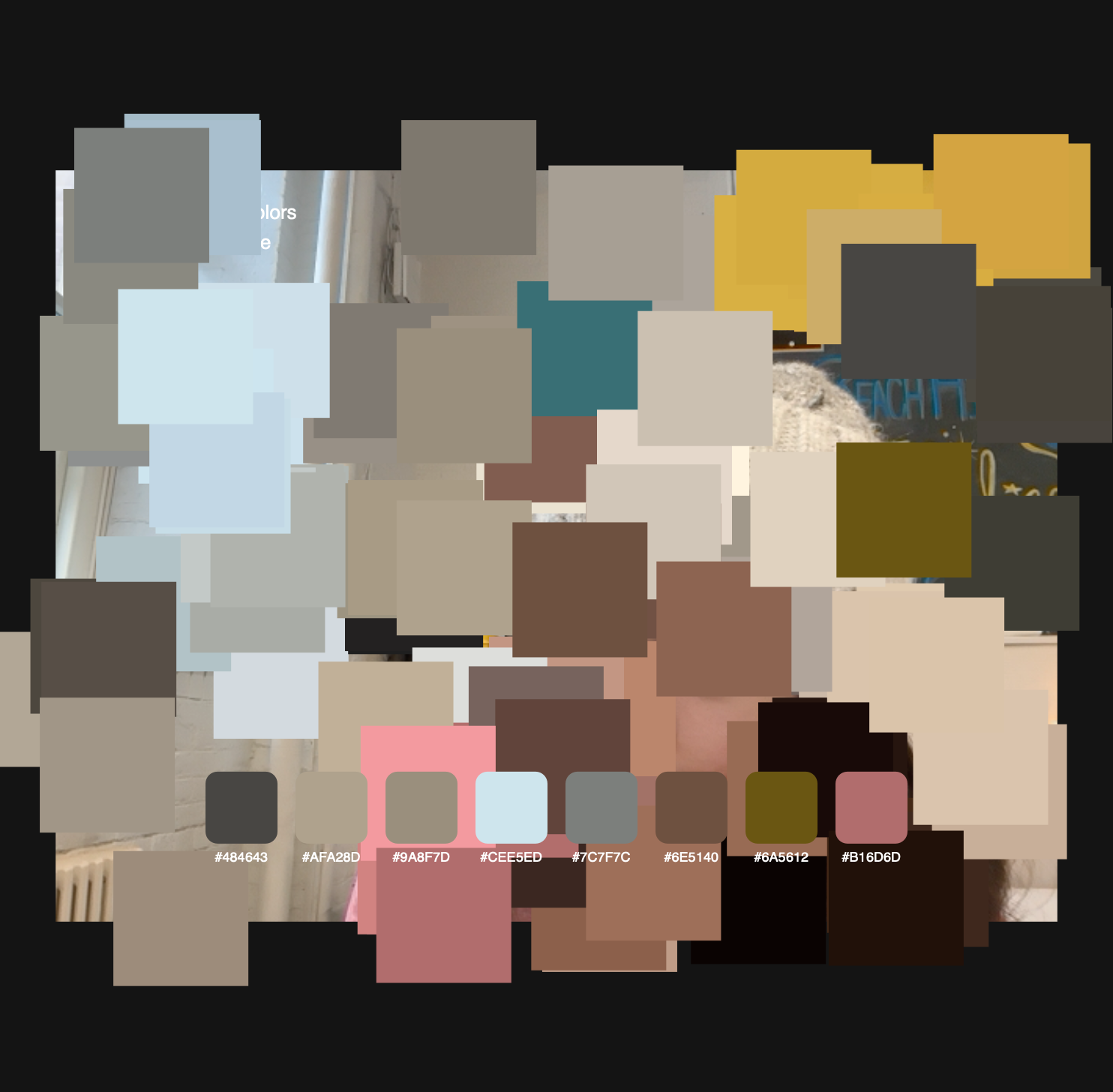
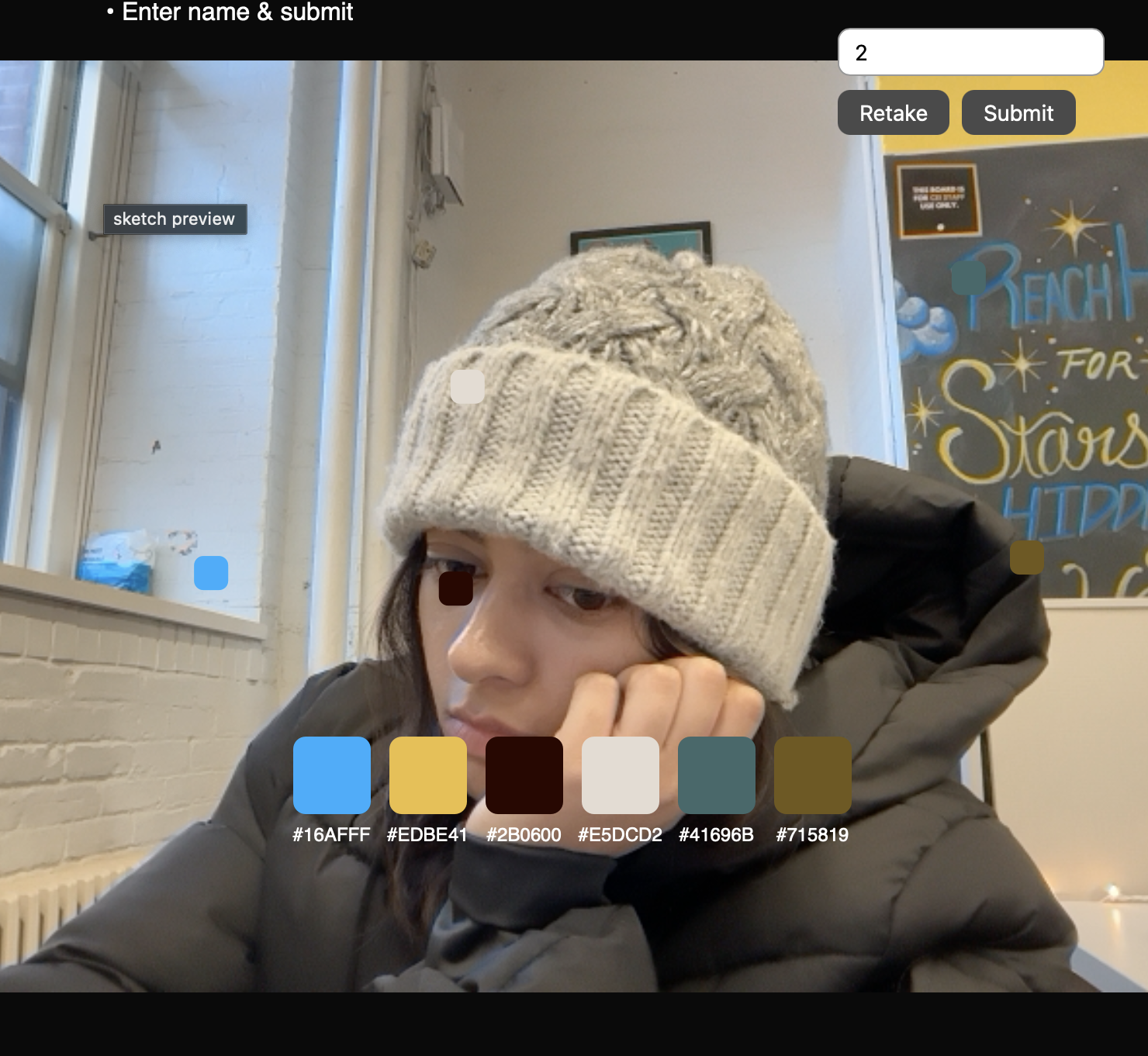
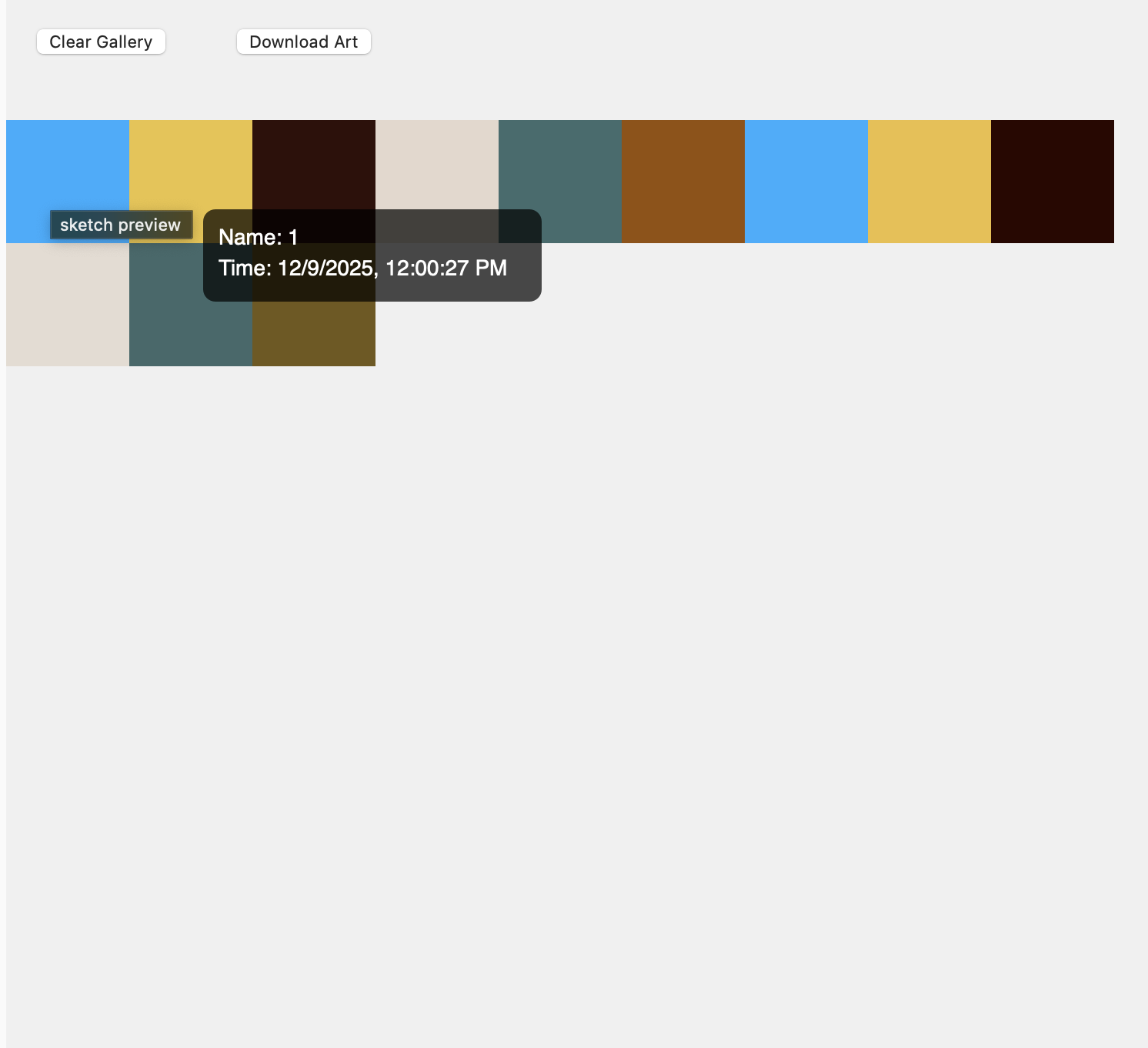
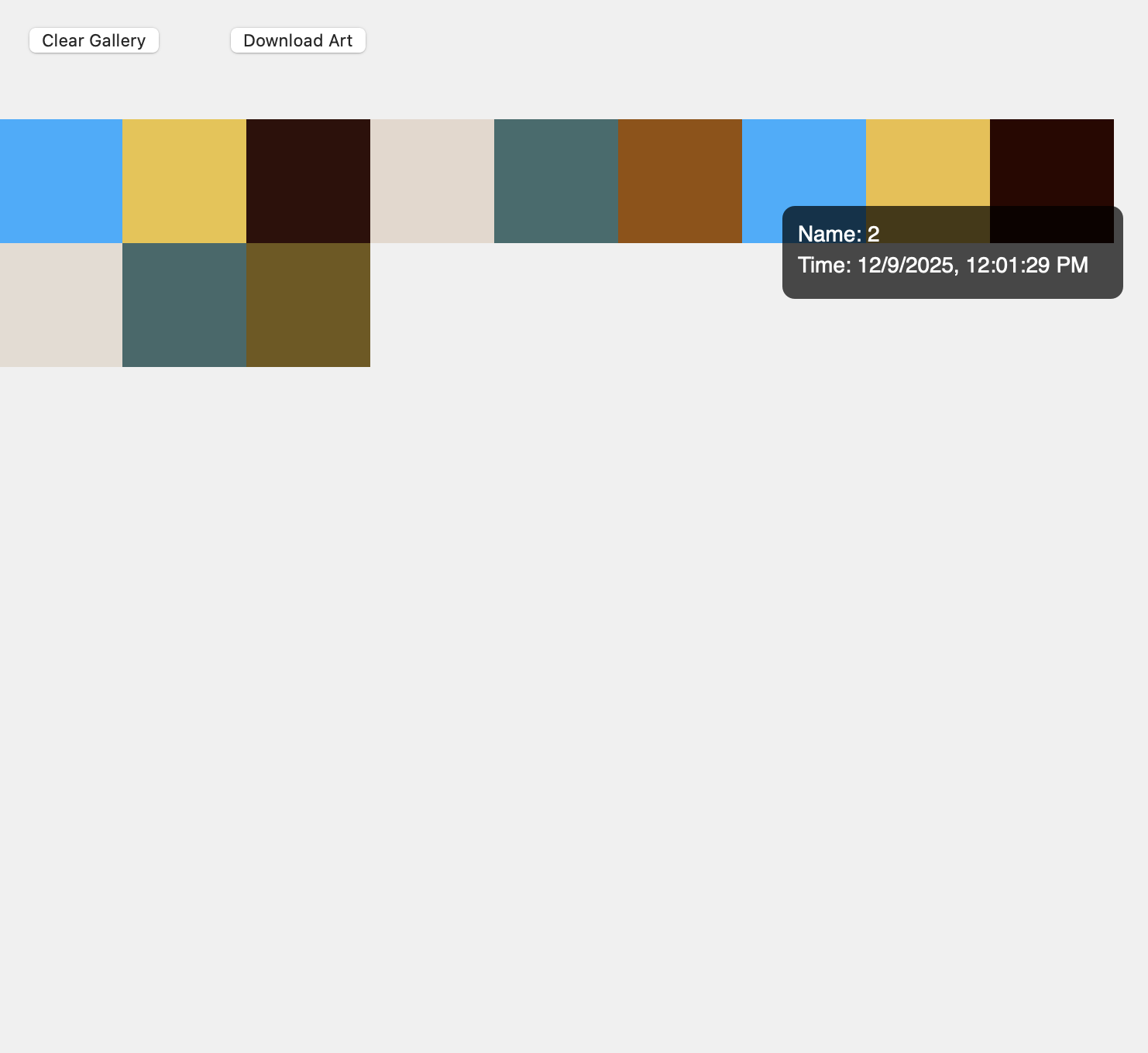
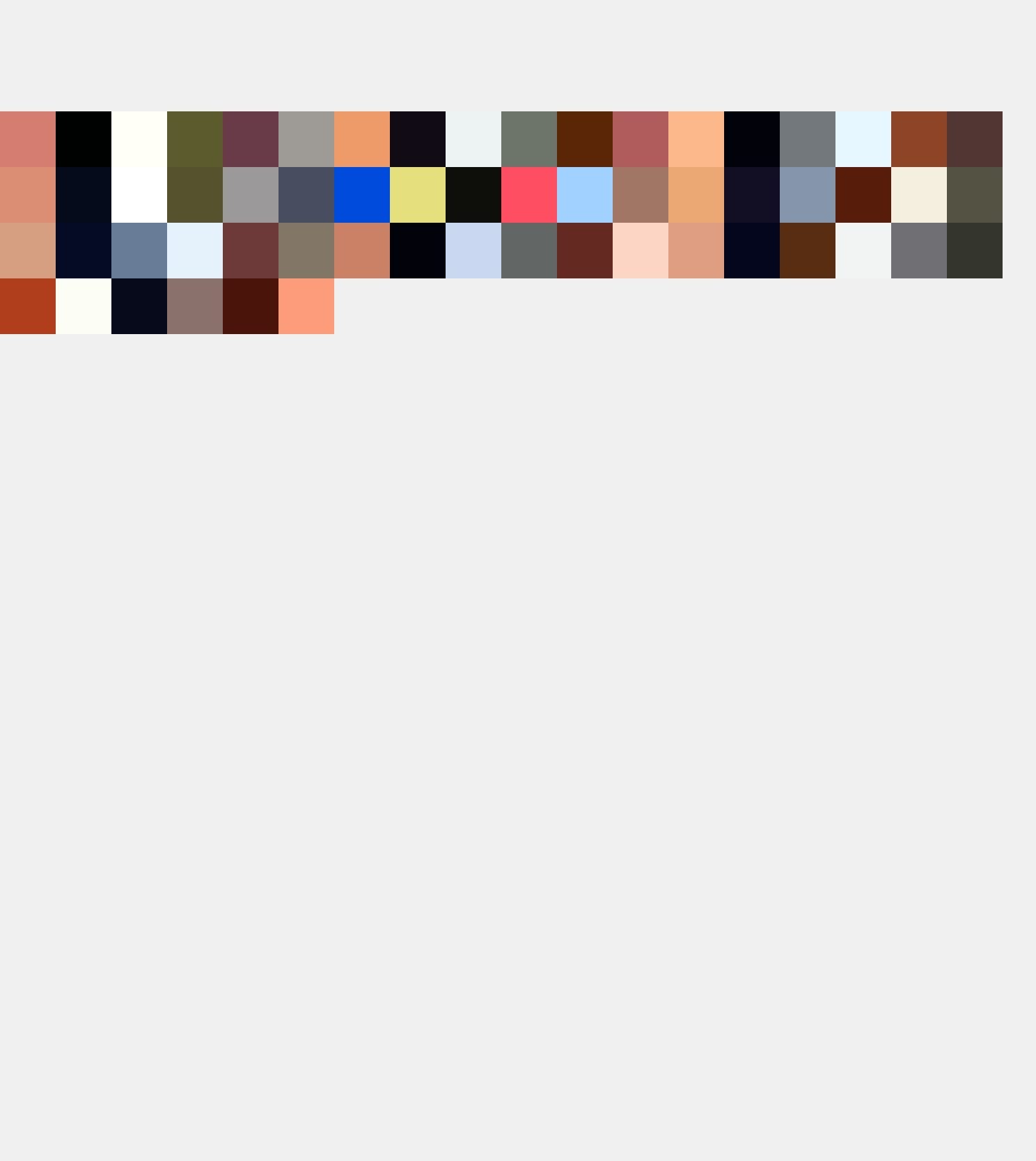
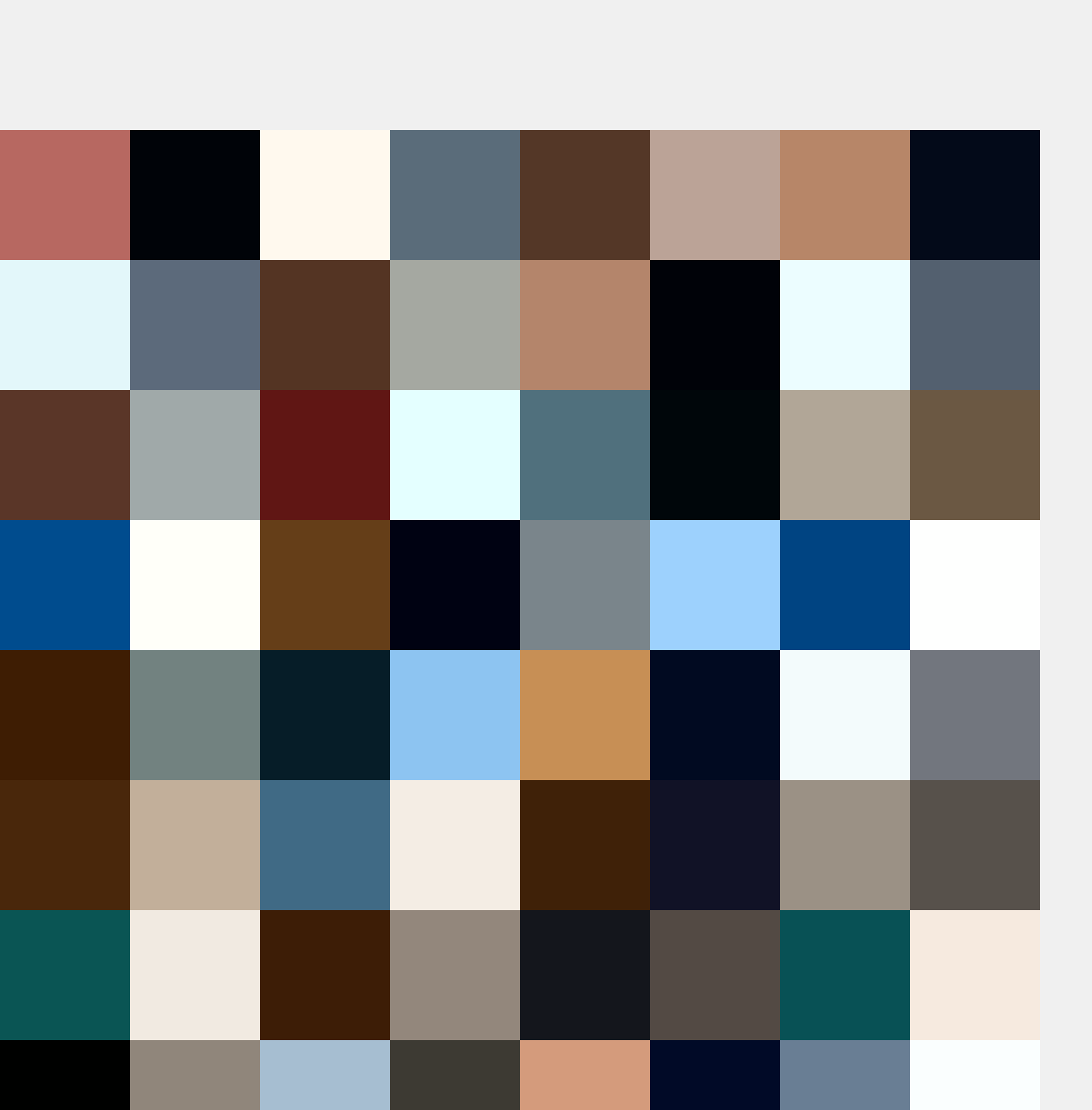
My project engages the community of design students within the studio environment an active space where color, material, texture, and pattern constantly circulate. Using a live camera feed, the installation captures the surrounding visual field and extracts six dominant colors, generating a color palette that reflects whatever is currently present in front of the camera. With a simple gesture stepping into frame and pressing a key participants can transform everyday objects, clothing, books, fabric samples, or artworks into a real-time digital palette. The installation turns the studio itself into a living source of visual material. As the project evolves, it will not only extract color, but also reinterpret it. Once a palette is captured, the system will generate an abstract composition derived from the six selected colors. These compositions may take the form of geometric structures, shifting patterns, or layered textures, visually expressing the chromatic identity of what was detected. Eventually, the system will attempt to capture and translate patterns from the video feed as well, connecting color and texture into a unified abstract visual outcome. In this way, reality becomes palette, and palette becomes artwork. Participants are invited to engage repeatedly, experimenting with objects and materials to influence the emotional and visual tone of the generated results. Over hours and days, these interactions accumulate into a shared archive of palettes and abstract visuals a collective reflection of the studio’s shifting atmosphere. Beyond aesthetic exploration, the system provides a practical tool by allowing students to extract colors, study hex values, and document palettes for use in future design work.

Credits & References

Chat Gpt, p5.js references, class presentation and ml5.js

Week 9

Project file 1
Project file 2
Live Demo

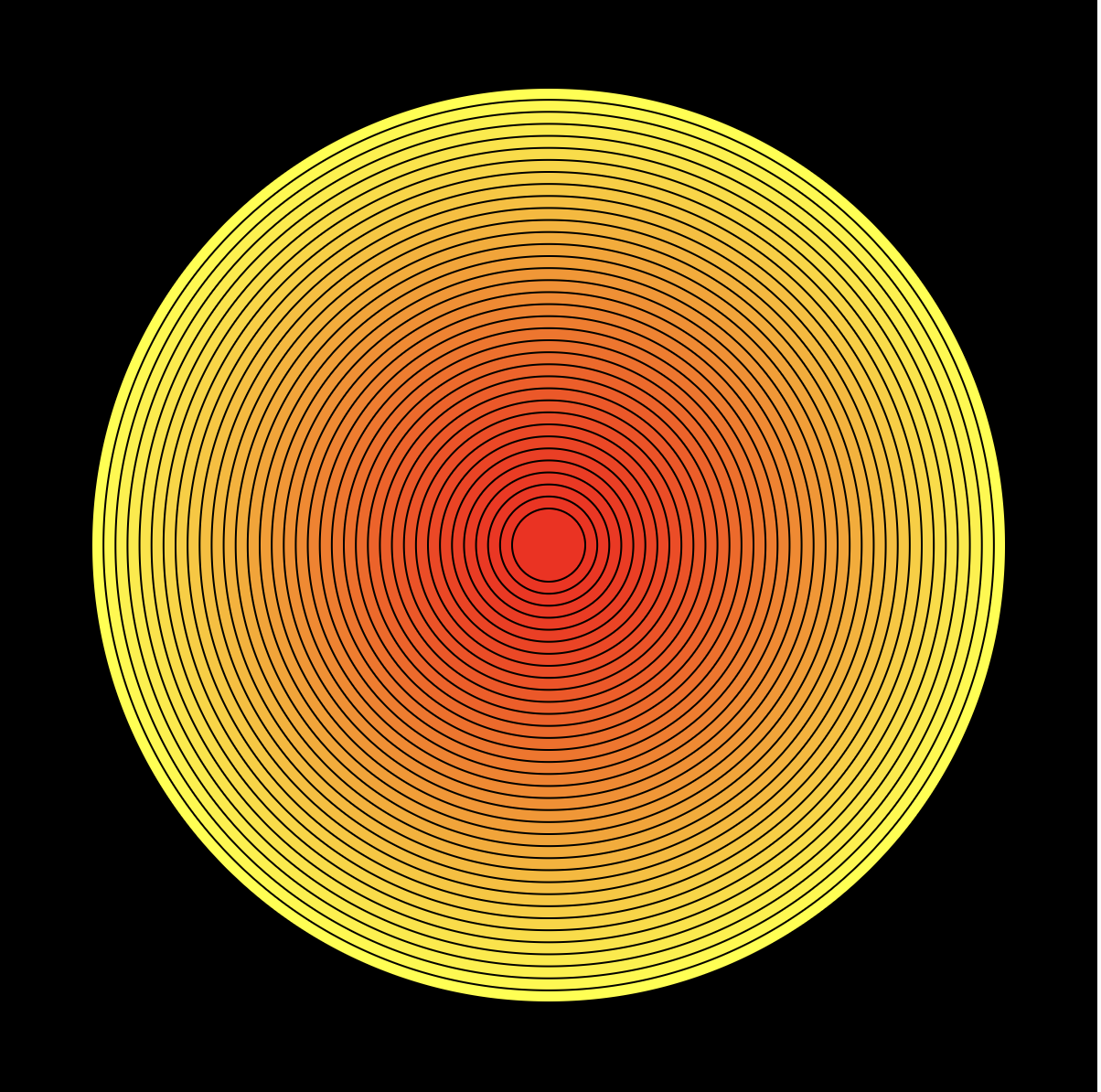
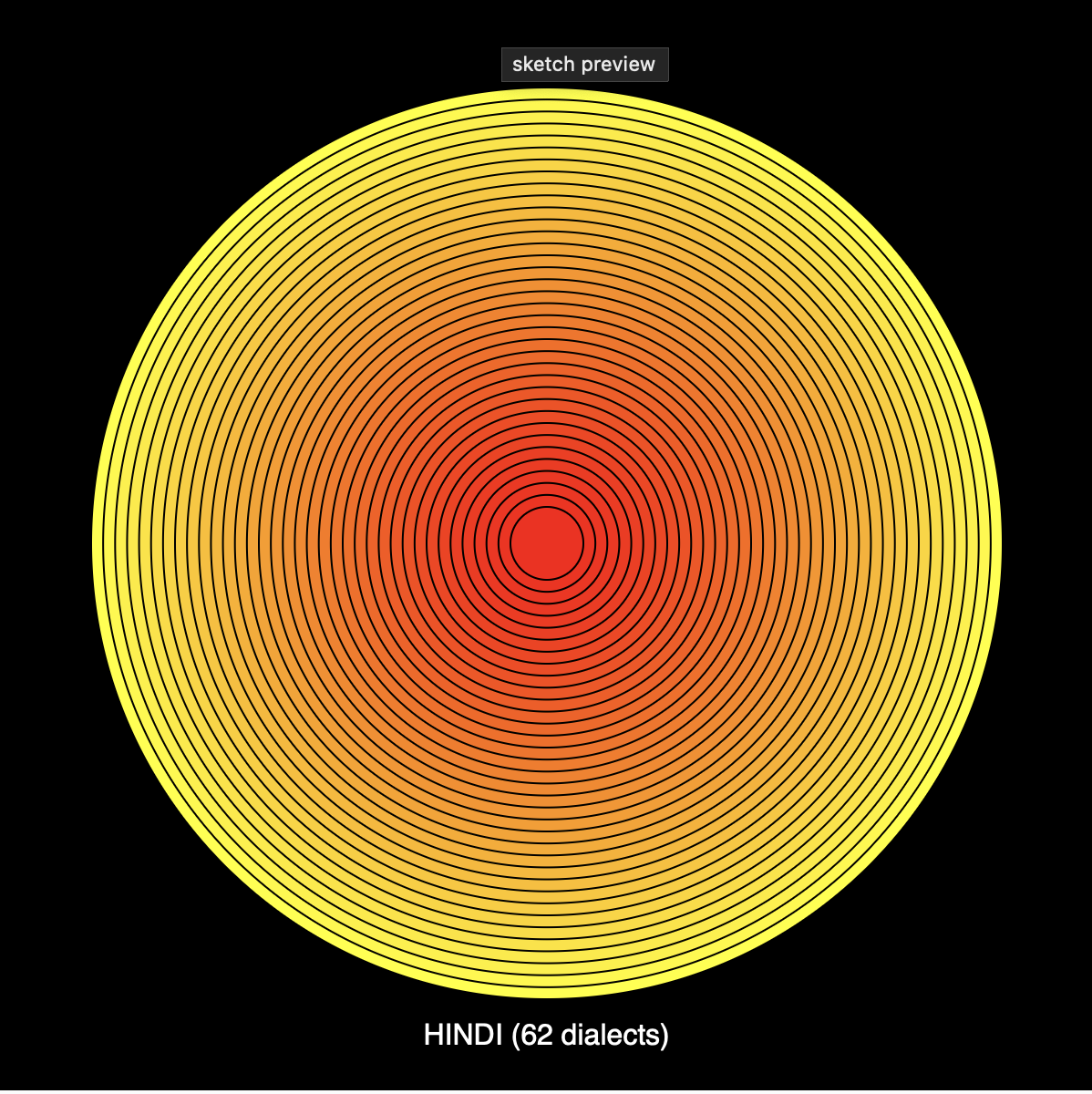
During my time in New York City, I initially collected data from all the places I visited, capturing a wide variety of experiences and observations. While this was interesting, I realized that my dataset lacked a central focus and a cohesive narrative. I decided to pivot and explore a concept that is both culturally rich and visually compelling: the number of languages spoken in India. This shift allowed me to create a dataset with a clear focus, emphasizing diversity, scale, and identity. The Indian Languages Dataset I compiled includes 36 major languages, representing a small fraction of the 121 recognized major languages and over 19,500 dialects and speech forms found across India. Each language carries its own historical roots, regional presence, and set of dialects, revealing a living map of cultural and linguistic evolution. By sorting the languages from the most spoken to the least, the dataset highlights the varying scale of influence and reach of each language, while also drawing attention to the rich complexity of smaller, less-spoken tongues. This dataset not only quantifies linguistic diversity but also provides a conceptual framework for visualization. It becomes a way to represent how millions of voices coexist, connect, and evolve over geography and time, celebrating India’s unique identity as a land of many languages and cultures. I Will represent my data using a mandala!

Credits & References

Chat GPT, Coding Train, Class pdf and references from P5.js

Week 6

Project file 1
Project file 2
Project file 3
Live Demo

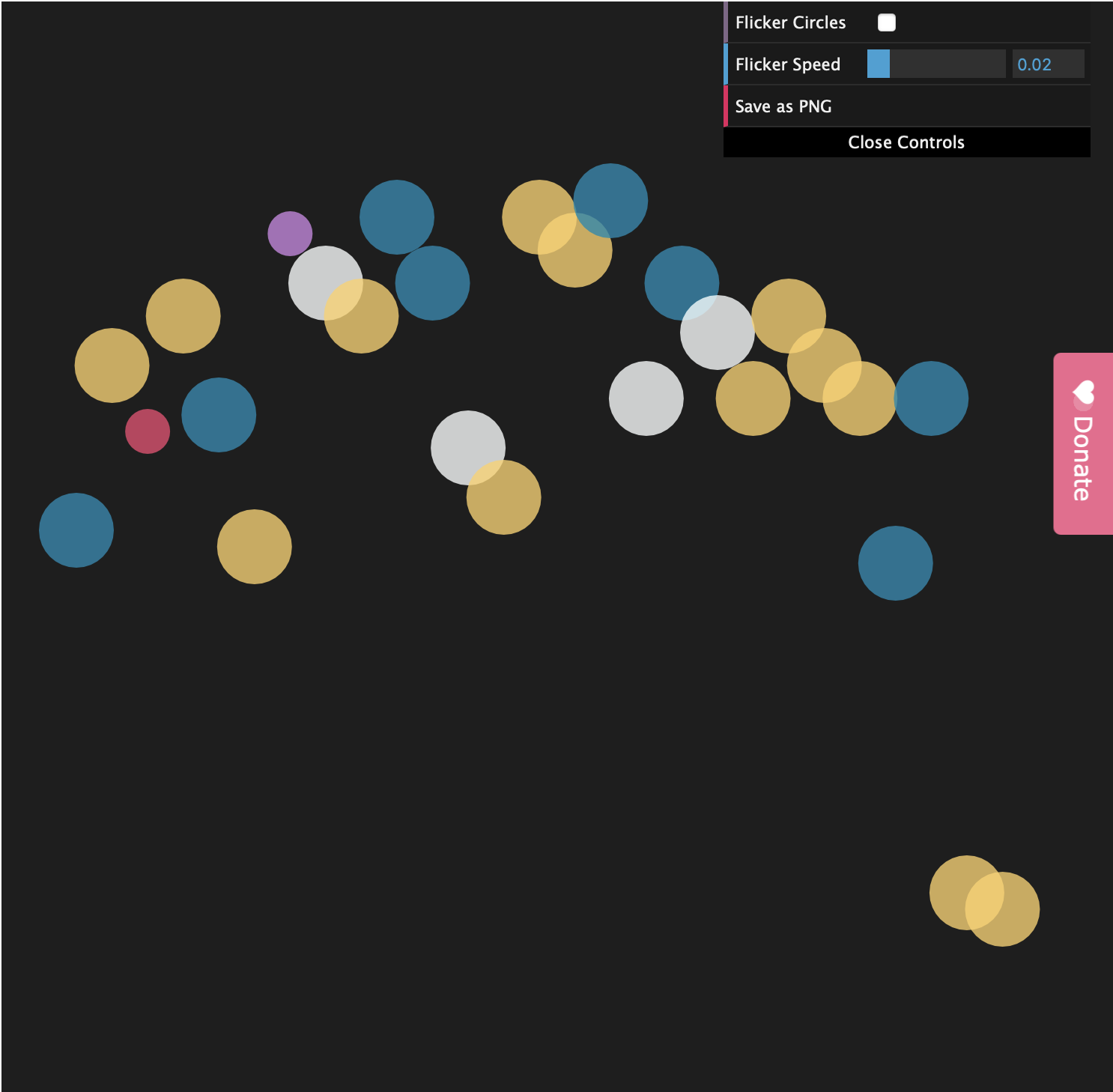
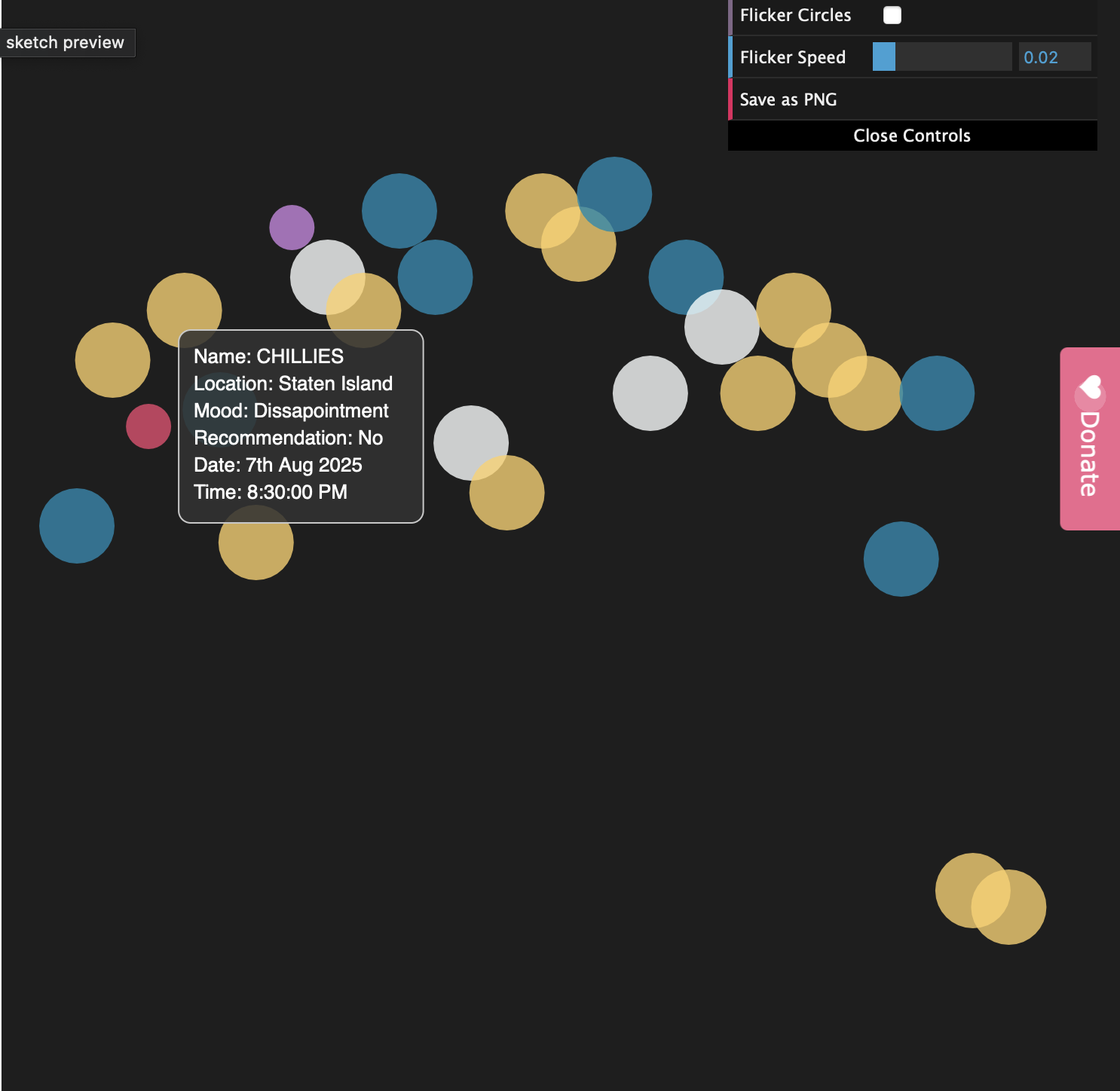
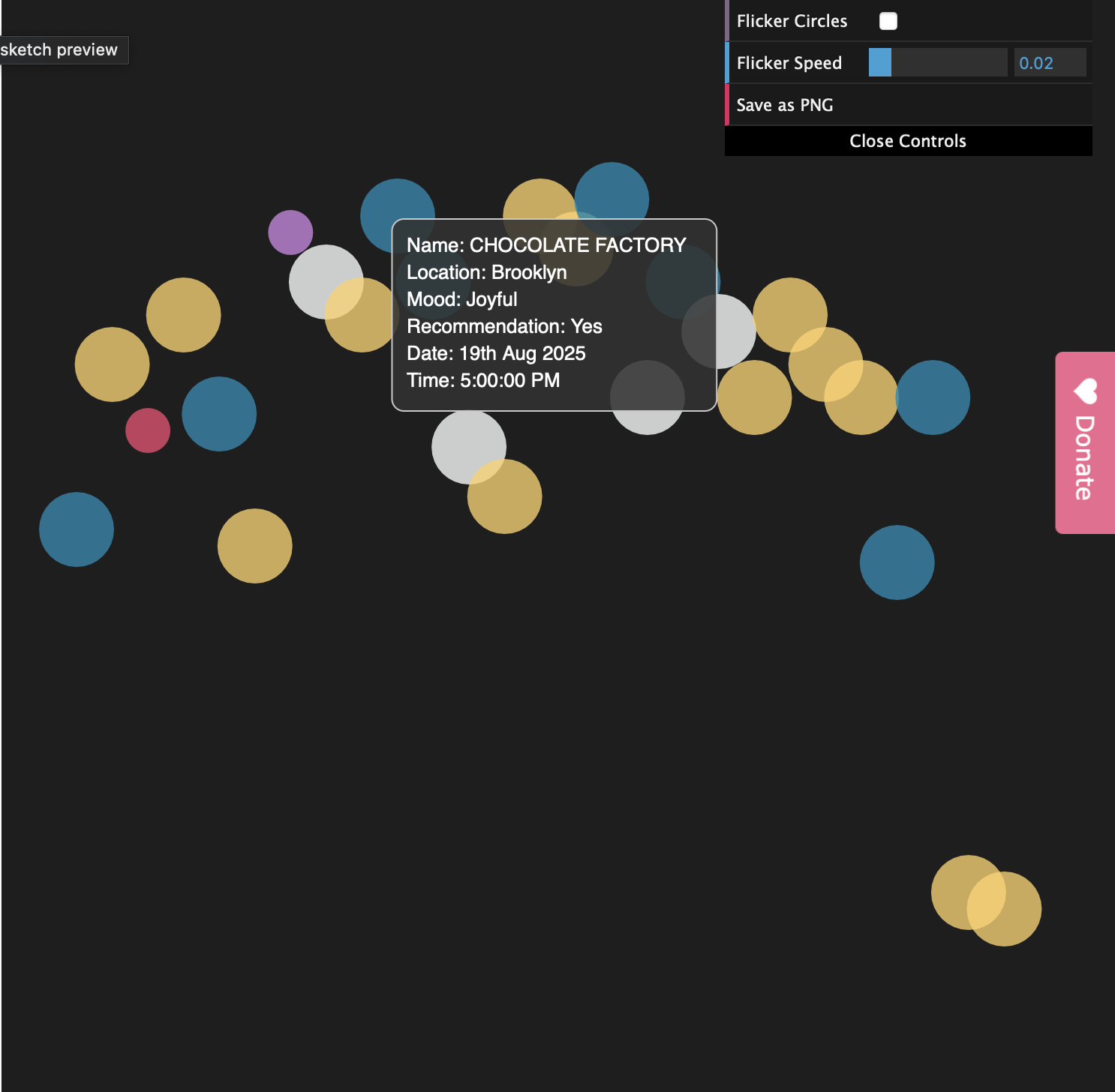
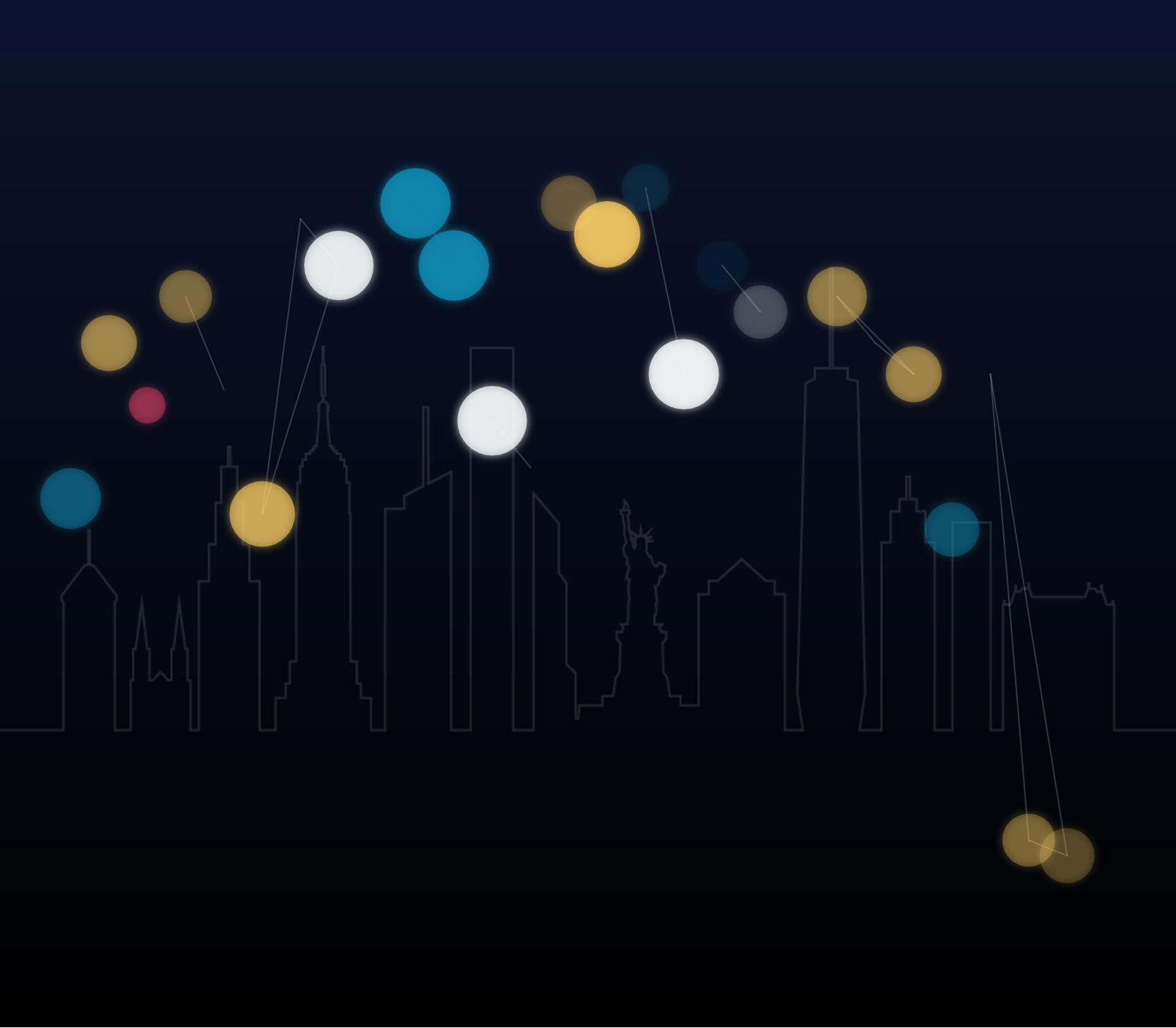
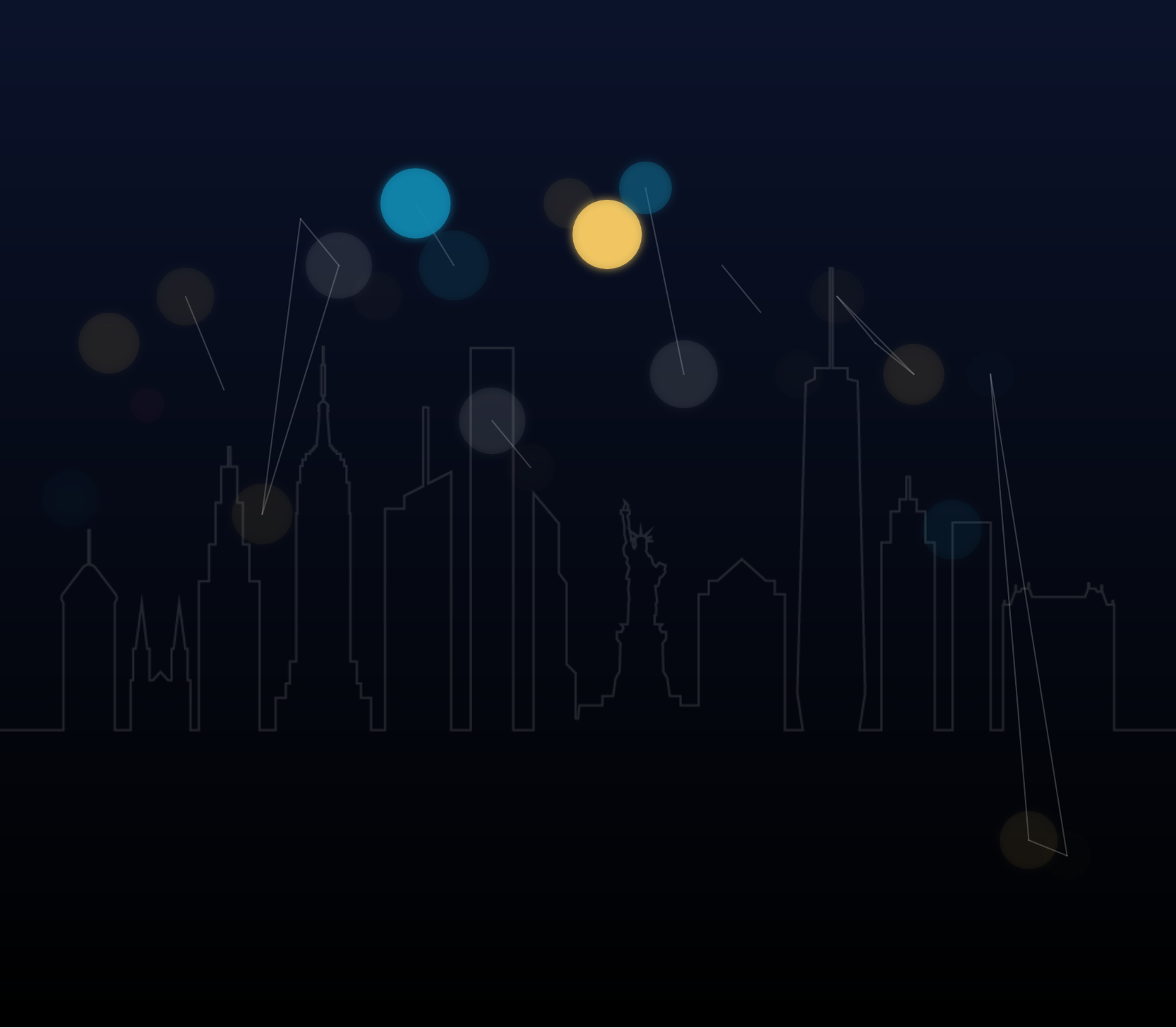
This interactive data visualization maps all the places I have visited in New York City, capturing details such as date, time, location name, mood, and whether I would recommend the place. Each visit is represented as a circle, with its horizontal position (x-axis) spread evenly across the canvas, and the vertical position (y-axis) mapped to the time of day, from early morning at the top to late night at the bottom. The color and size of each circle corresponds to my mood during the visit, giving visual weight to meaningful experiences. Clicking on a circle reveals a dynamic info panel with all details for that visit. The circles also feature subtle flickering, controllable via the dat.GUI interface, creating an effect reminiscent of city lights shimmering at night. Overall, the visualization combines temporal, spatial, and emotional dimensions to create a lively, personal map of my NYC experiences.

Credits & References

Chat GPT, Coding Train, Class Presentation and Refrences

Week 3

Live Demo

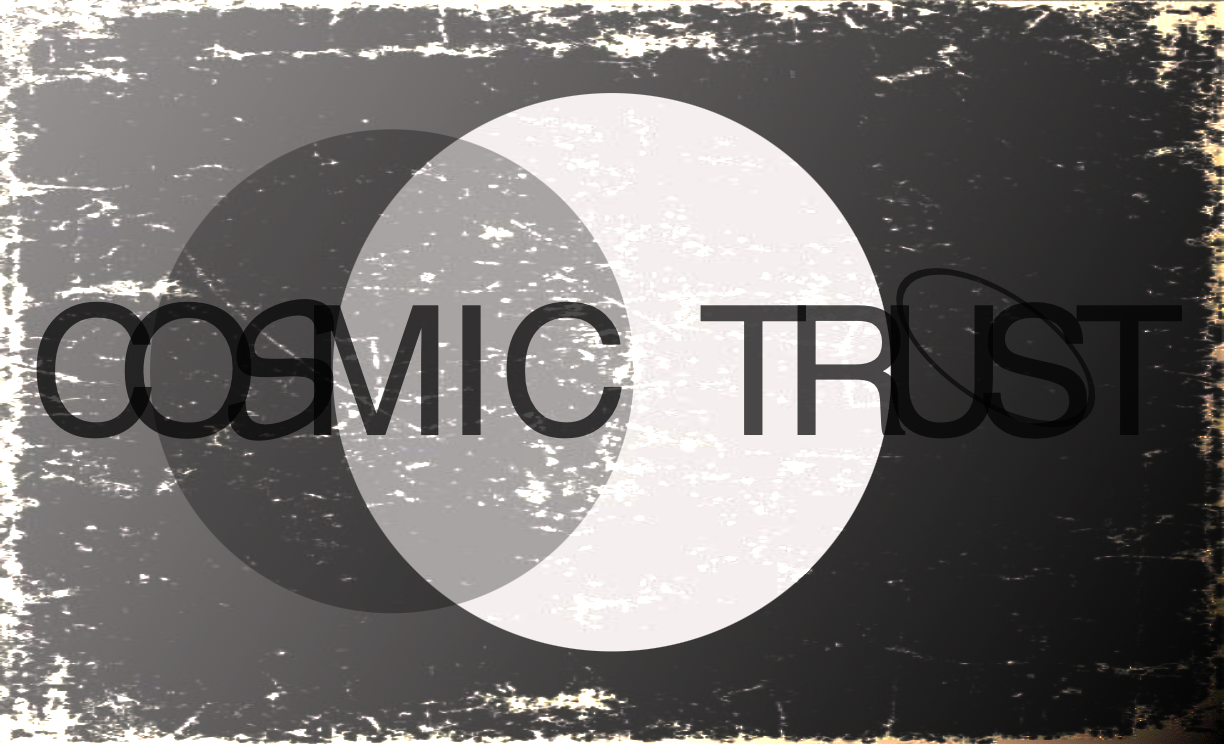
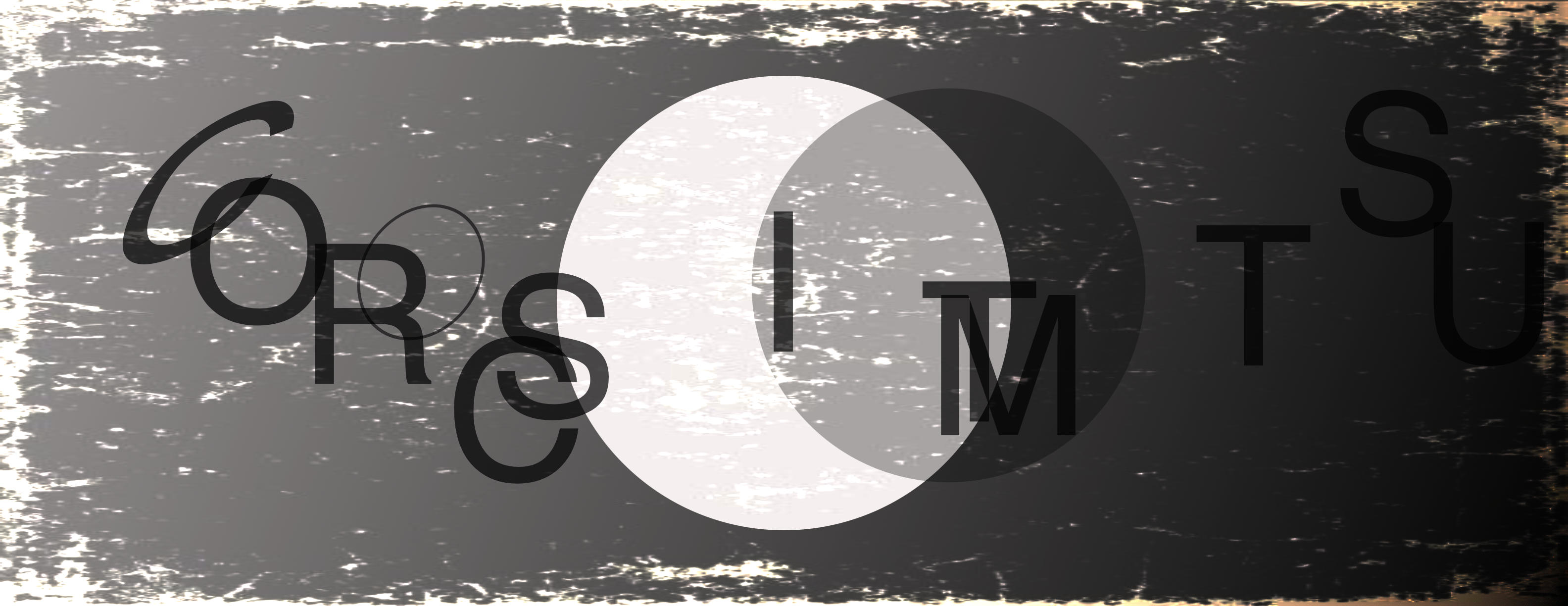
For this project, I wanted to create a dynamic and visually engaging composition that incorporated several techniques and ideas I had learned in the last class. The main focus was on combining textures, shapes, typography, and interactivity to produce a piece that is both aesthetic and conceptually tied to my theme.The canvas starts with a gradient background that transitions from grey to black, giving a subtle depth and cosmic feel to the composition. Over this, I added a base circular shape, filled with a light grey color, which serves as an anchor for the other elements. On top of this, I applied a texture image using the dodge blend mode, which highlights the lighter parts of the image while maintaining the overall color harmony. This combination of gradient, base shape, and texture creates a layered effect that gives the canvas more visual interest and dimensionality.A key element in this work is the letters forming "COSMIC TRUST," which I split and randomly positioned across the canvas with semi-transparent fills, allowing overlaps that create subtle interactions and a balanced chaos. One random letter receives a shear transformation each run, adding uniqueness and emphasizing cosmic randomness. I incorporated a dat.GUI interface to toggle between random and aligned letters and added buttons to save the canvas as PNG or SVG. This project let me combine gradients, textures, text manipulation, and vector graphics. Experimenting with shear and interactivity made the piece visually dynamic and conceptually aligned, reflecting what I’ve learned in class.

Credits & References

Chat GPT, The Coding Train, References/Examples on the Website

Week 1

Project file 1
Project file 2
Live Demo

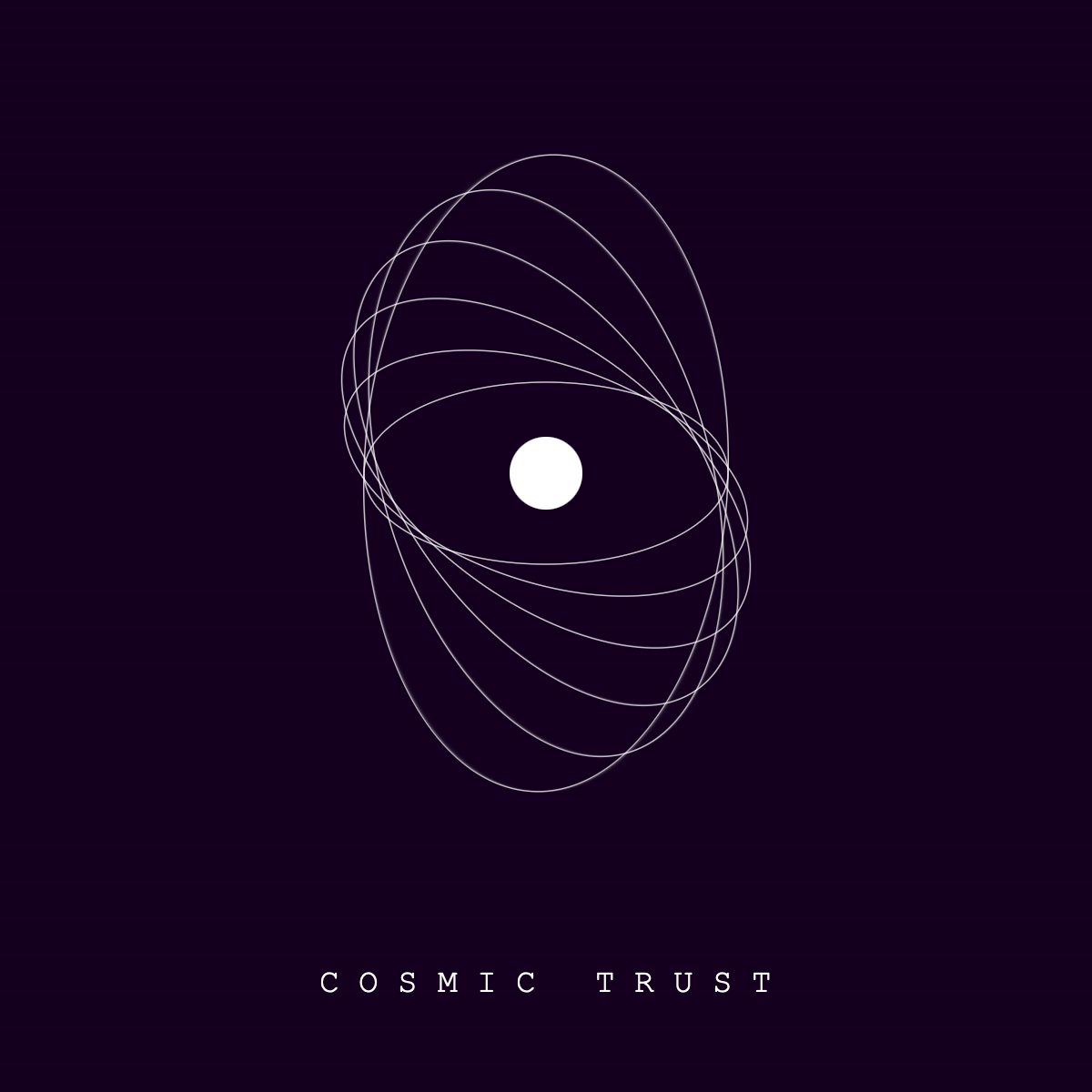
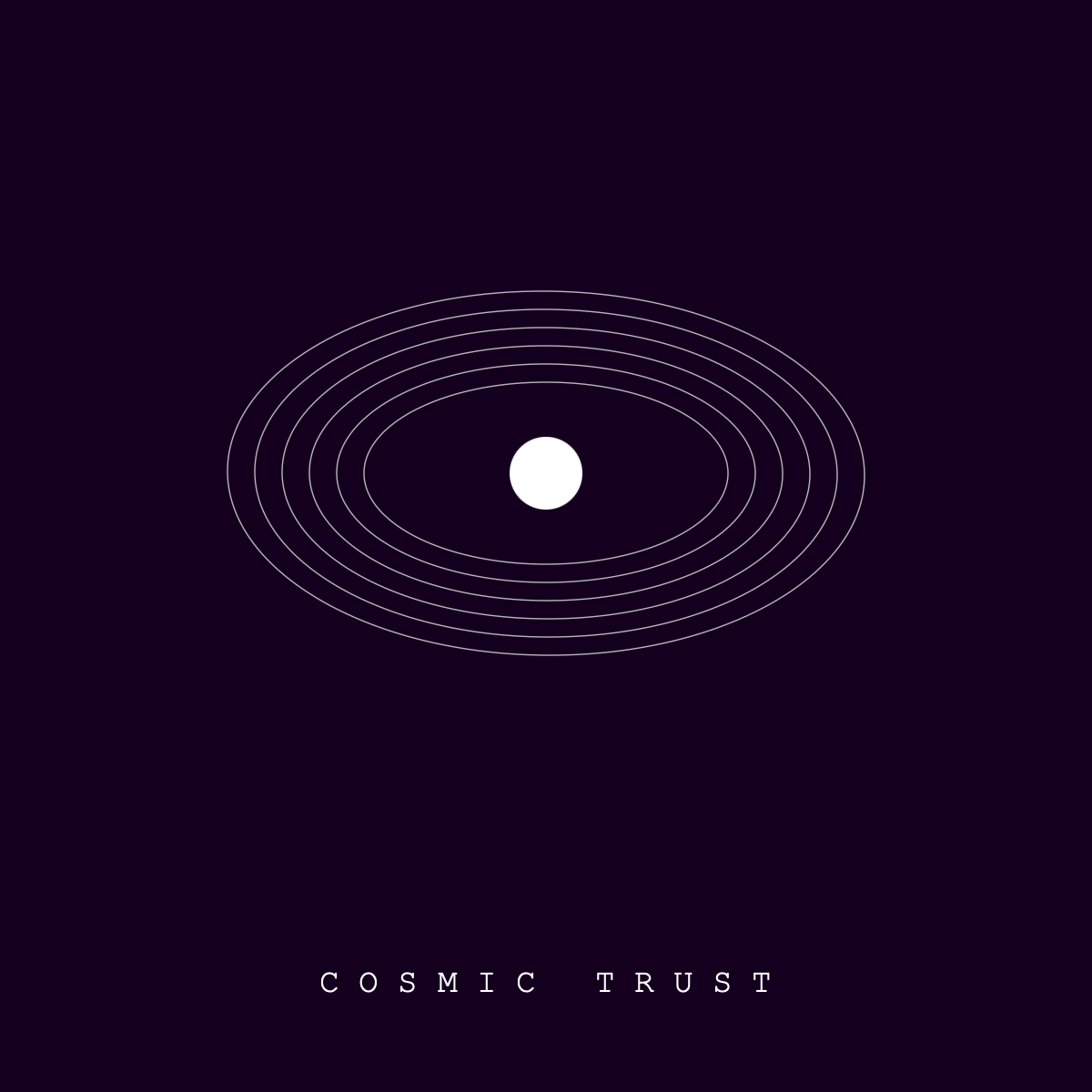
Cosmic Trust is about believing in the universe..not in a blind, passive way, but as an active, guiding energy that intersects with our efforts. I began my journey as a strict atheist, rooted entirely in science and logic. I still deeply respect science, yet over time, a part of me has shifted toward the spiritual. I’ve realized there exists a subtle energy in the universe, a force that shapes and influences life in ways we may not fully understand. It’s not about expecting miracles without effort; manifestation works, but only when paired with consistent action and intention. Challenges don’t disappear, they are the universe’s way of shaping us, building resilience, and nudging us toward our goals. The universe is both beautiful and powerful. Celestial events, like eclipses, illustrate this dynamic energy. The patterns these movements form in the sky are symbolic of life itself: moments of darkness give way to light, and temporary interruptions can lead to new perspectives. Observing these patterns reminds us that life is a rhythm of challenges and revelations, and the unseen forces guiding us are as natural and inevitable as the movement of the planets. In Cosmic Trust, these celestial patterns are translated into visual forms. The orbit of the moon around the sun, the shadows of eclipses, and the subtle waves of energy patterns all symbolize the universe’s influence on our personal journey. The shapes, rotations, and flows in my project are minimalistic but intentional, representing the invisible energy at work in our lives. They serve as a reminder that even small actions, when aligned with intention and trust, contribute to larger outcomes. This project is an exploration of the harmony between action and faith, reason and wonder. By observing cosmic patterns, we recognize that life is interconnected, and growth often comes from surrendering to forces greater than ourselves while still working toward our goals. The visual patterns (ellipses, orbits, and rotations) reflect not only the science of celestial mechanics but also the spiritual idea that energy flows through all things, guiding, shaping, and supporting our journey. The Cosmic Trust project, implemented through p5.js, visualizes this philosophy. Using code, I simulate celestial patterns and movements, such as eclipses, orbital rotations, and abstract energy flows. Users can interact with these elements, witnessing how forces intersect, influence, and create outcomes. The result is a meditative, immersive experience that encourages reflection on one’s personal journey, resilience, and the unseen energies at play.

Credits & References

chatGPT and The Coding Train Tutorial

Week 10

Project file 1
Project file 2
Project file 3
Project file 4
Project file 5
Live Demo

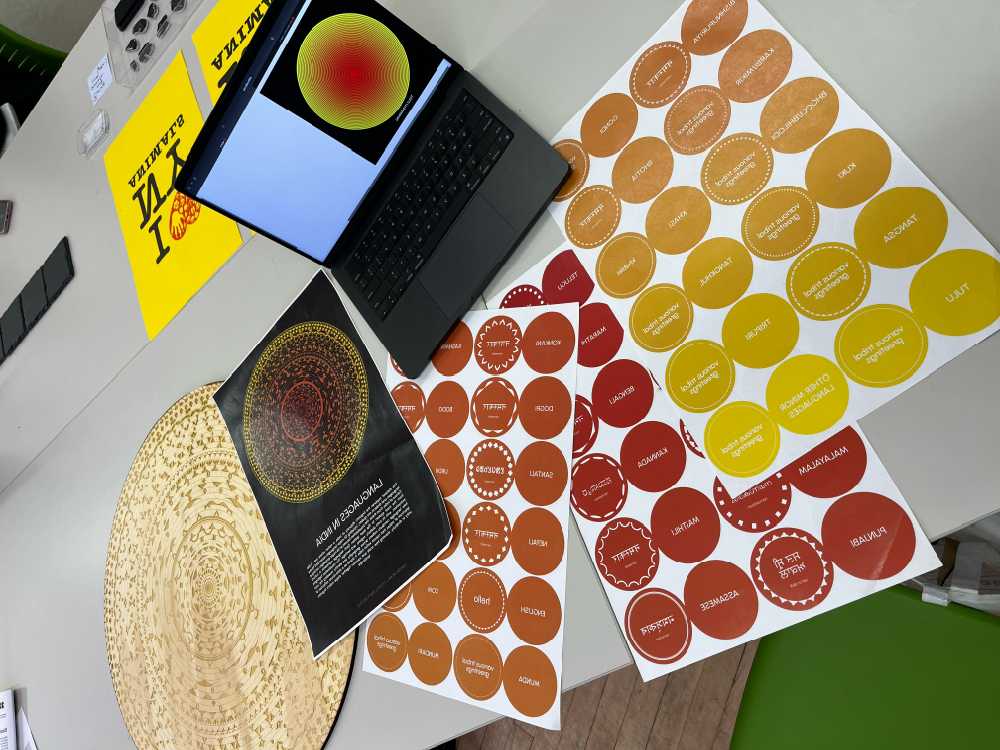
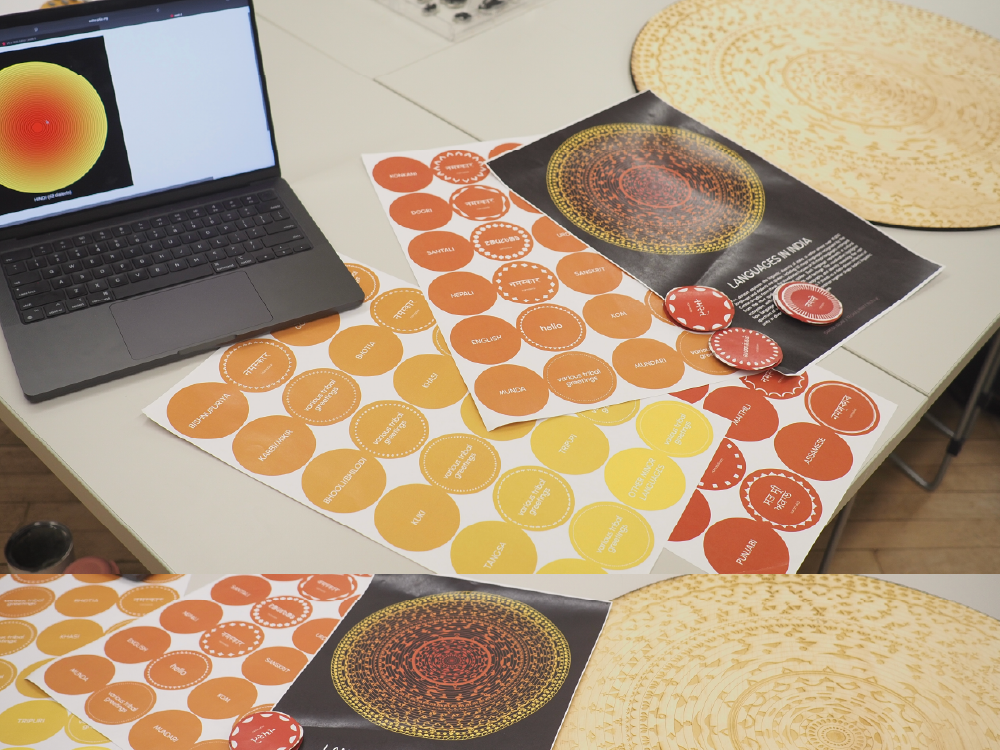
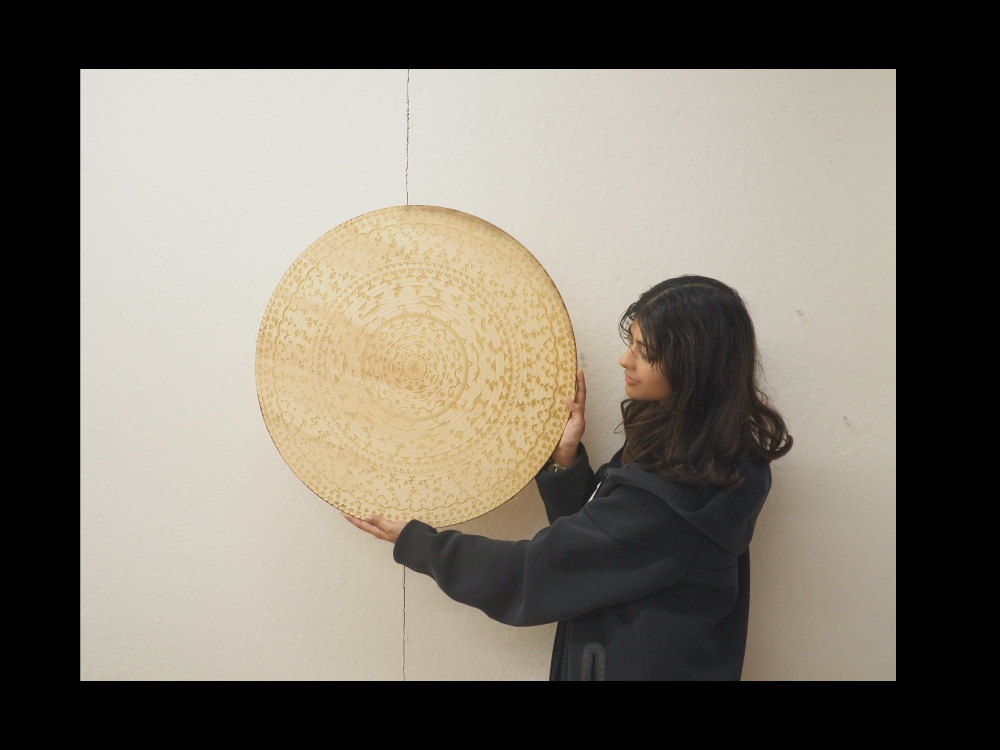
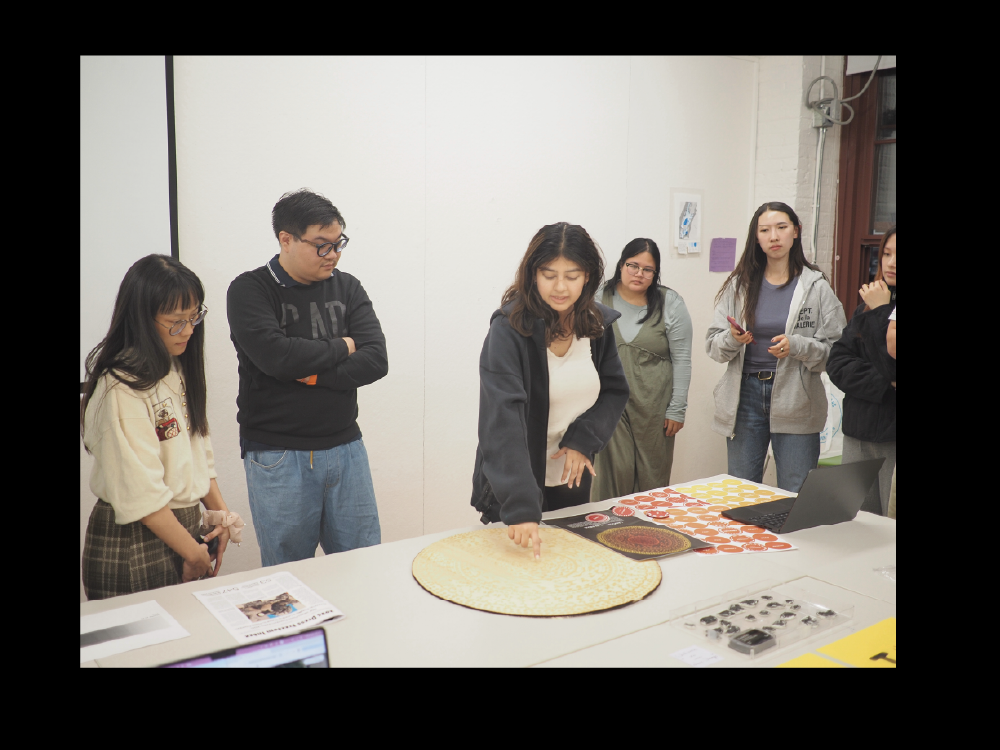
For my data sculpture project, I worked with a dataset on Indian languages, focusing on 36 major languages arranged from the most spoken to the least. After cleaning, filtering, and organizing the data, I identified clear patterns: some languages have millions of speakers and dozens of dialects, while others are smaller yet culturally significant. This process helped me clarify my narrative revealing India’s linguistic richness and the relationships between language, region, and identity. To translate this dataset into both a digital and physical form, I conceptualized my system through a mandala, a structure that naturally communicates hierarchy, balance, and interconnectedness. The inputs in my system were ordinal (speaker count), nominal (color and pattern), and discrete (a finite set of languages). The outputs became visual attributes: orientation, size, shape, color hue, and repetition. Each of the 36 languages was assigned a unique shape, and the number of dialects within that language determined how many times that shape was repeated around the mandala. Some shapes appeared only a few times, while others repeated many times—creating a rhythmic pattern directly tied to the dataset. To bring this to life physically, I laser-cut the shapes out of wood, layering and arranging them radially to form a full mandala. The physical material adds warmth and permanence, while the repetition of shapes captures the scale and diversity embedded in the data. The legends are incorporated directly into the piece using etched symbols and color cues, rather than separate printed sheets. This keeps the sculpture self-contained and intuitive, allowing viewers to interpret meaning through embedded visual rules. Overall, this project transformed linguistic data into an expressive structure—showing how 36 languages and their dialects unite into one coherent, culturally rich mandala that mirrors India’s vast, interconnected linguistic landscape.

Credits & References

Chat GPT, Coding Train, Class presentation(Figma), p5.js refrences

Week 7

Project file 1
Project file 2
Project file 3
Live Demo

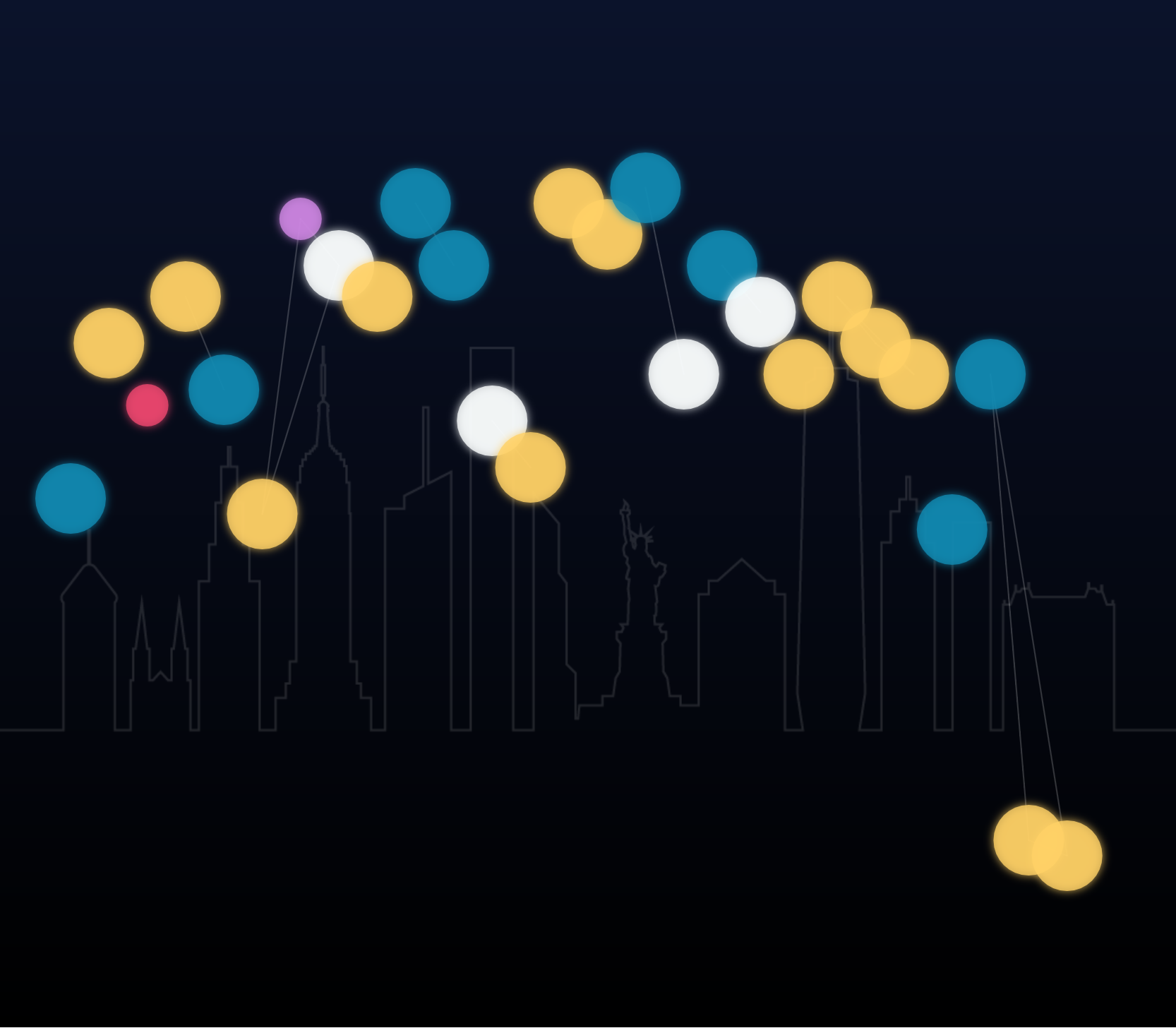
This project visualizes emotional moments over time using interactive circles mapped from a dataset of personal experiences. Each circle’s color, size, and position represent mood, recommendation status, and time. I enhanced the visualization with a dusk-to-night gradient and a semi-transparent NYC skyline, adding atmospheric depth. Circles have a subtle glow and optional flickering to simulate city lights. Users can filter by mood, scroll through time with a timeline slider, and hover over circles for detailed information. Faint connections link experiences from the same day or location, and animated transitions focus attention on selected circles, creating an engaging, interactive exploration of emotions.

Credits & References

Chat GPT, The Coding Train, Class Presentation

Week 4

Project file 1
Project file 2
Project file 3
Project file 4
Project file 5
Live Demo

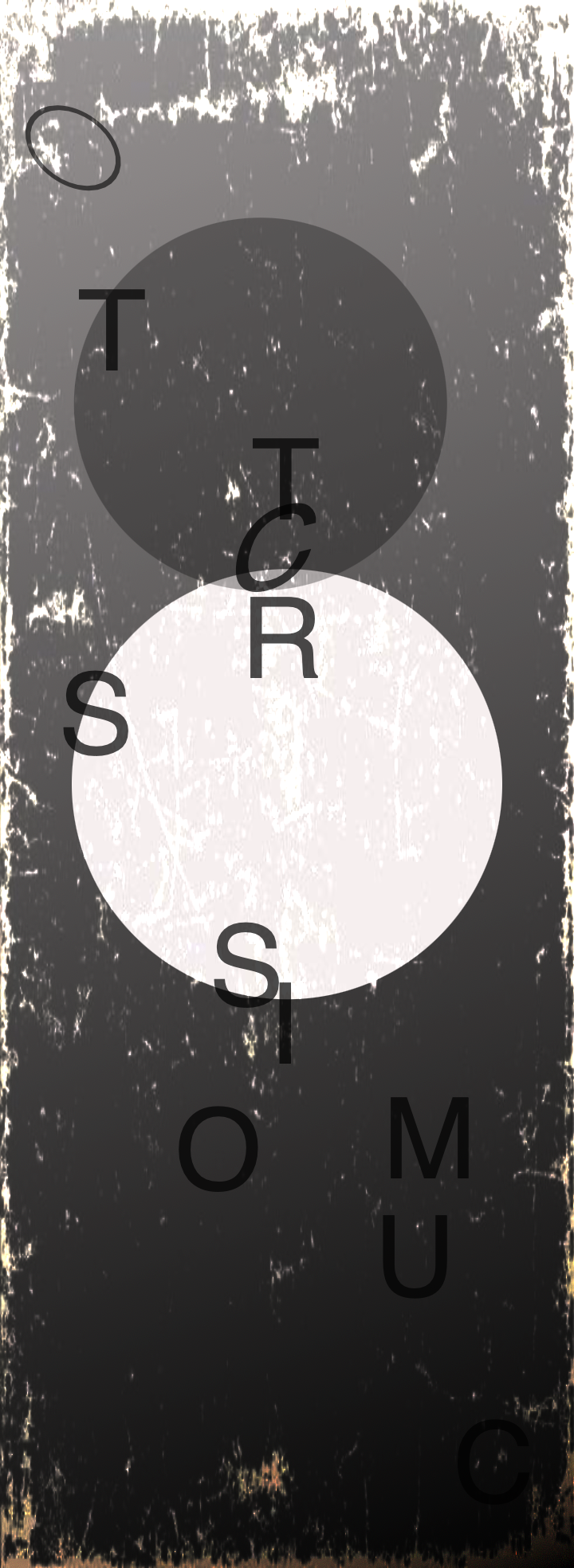
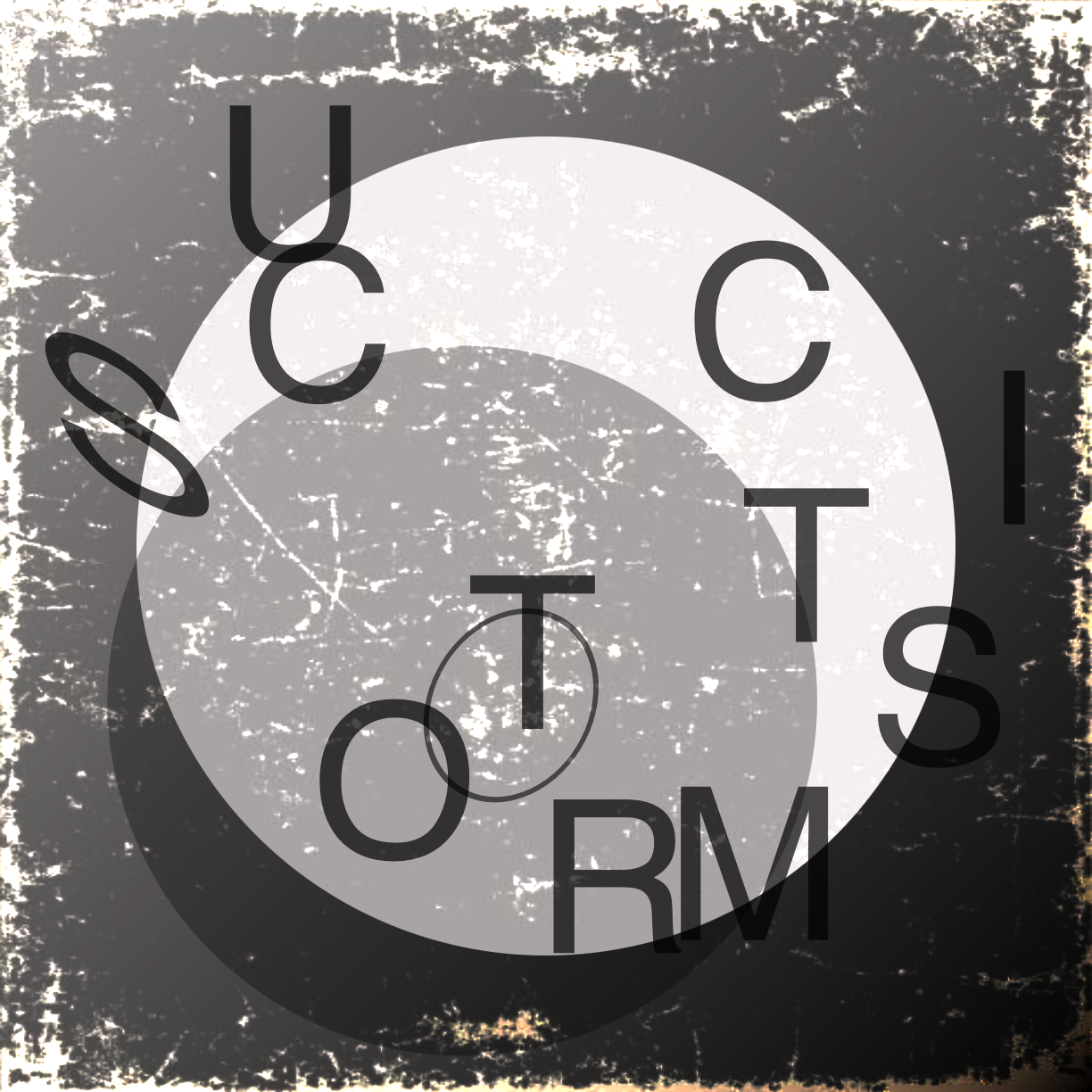
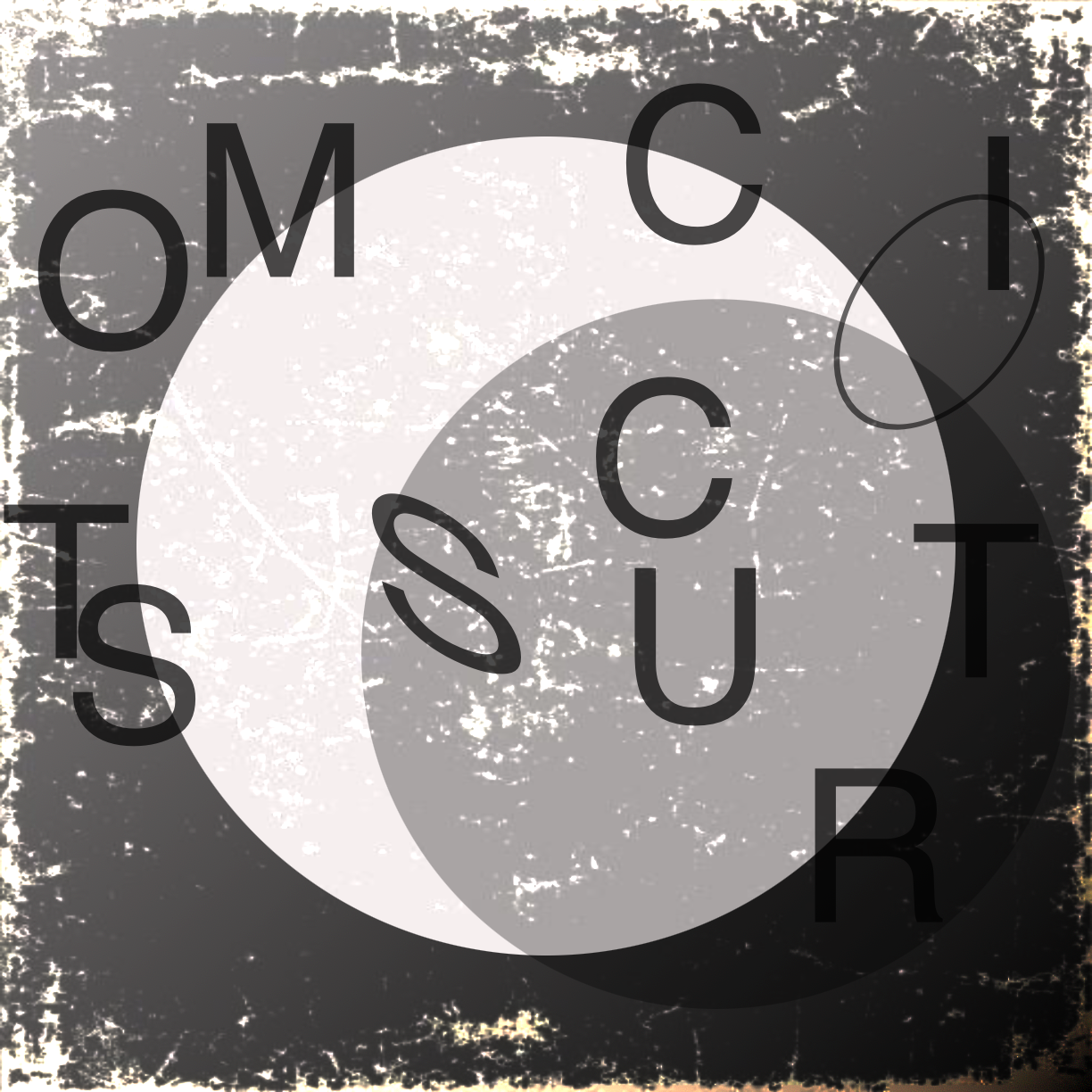
For this project, I wanted to create a dynamic and visually engaging composition that brought together techniques and ideas I learned in class, while also exploring my theme of cosmic alignment and trust. Using p5.js, I combined gradients, textures, typography, randomness, and interactivity to build a piece that feels both aesthetic and conceptually rich. The canvas begins with a gradient background that shifts from grey to black, creating depth and giving a cosmic tone to the composition. At its center is a light grey circular base, acting as a stable anchor. On top of this, I layered a texture image using the dodge blend mode, which highlights lighter regions while maintaining harmony with the background. This combination of gradient, circle, and texture creates a layered, dimensional quality that draws the viewer in. Typography plays a central role through the phrase “COSMIC TRUST.” I split the phrase into individual letters and positioned them randomly across the canvas. Their semi-transparent fills allow overlaps to interact, producing subtle layers and moments of balance within the chaos. To enhance this randomness, the letter sizes now scale dynamically with the canvas dimensions: on taller canvases, the height determines their proportions, while on wider canvases, the width sets their size. This ensures proportionality across all formats and ties the typography to the changing environment of the canvas itself. Additionally, one random letter is transformed with a shear effect on every run. This slight distortion emphasizes uniqueness and unpredictability, symbolizing how the universe often introduces irregular yet meaningful variations. A significant addition is the interplay of two circles. While the light grey base circle remains fixed at the center, a semi-transparent black circle is randomly generated and repositioned each time. When it overlaps the white circle, crescent-like shapes emerge, resembling phases of the moon. This cyclical effect introduces a sense of cosmic rhythm, reinforcing the theme of alignment, change, and trust in unseen patterns. The stroked ellipse also adapts in size relative to the canvas, stretching or shrinking to match proportions, acting as another shifting but balanced element in the composition. Interactivity is provided through a dat.GUI interface, allowing toggling between random and ordered text placement and enabling the artwork to be saved as PNG or SVG. This makes the piece versatile and experimental, with each run producing new alignments and visual outcomes. Overall, this project explores the balance of order and randomness, cycles and change. Through layered textures, dynamically scaling letters, lunar overlaps, and proportional ellipses, it reflects how the universe aligns in both predictable and surprising ways.

Credits & References

Chat GPT, The Coding Train, References on the website and class slides
Week 2

Project file 1
Live Demo

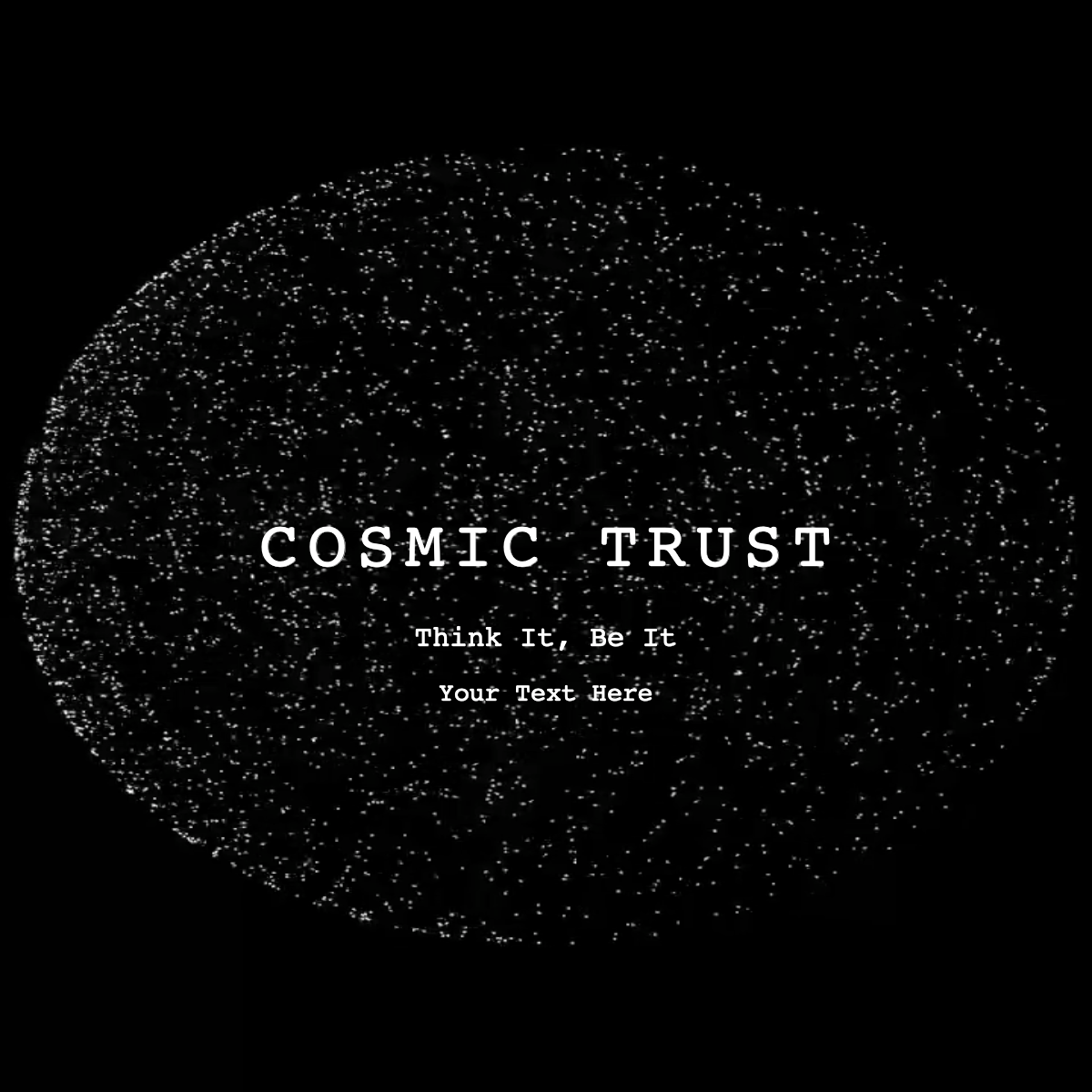
The concept of manifestation has always fascinated me—the idea that our thoughts, intentions, and focus can influence reality. Manifestation is more than wishful thinking; it is a conscious process of directing energy toward specific outcomes, visualizing them clearly, and aligning one’s actions with those visions. This project is inspired by that principle, aiming to create a visual experience that embodies the power of intention and focus. The central phrase, “COSMIC TRUST,” represents faith in both the universe and oneself, serving as a reminder that alignment with one’s inner goals is a gradual but achievable process. The subsequent appearance of the words “THOUGHT” and the customizable text below encourages reflection, transforming the canvas into a space where abstract ideas such as belief, creativity, and visualization become tangible. My vision for this project was to design an interactive, animated piece that combines digital media and engagement to encourage viewers to reflect on the power of their thoughts. I wanted the letters of “COSMIC TRUST” to start scattered across the canvas, symbolizing the chaos and randomness of unaligned thoughts, and gradually converge into a precise, harmonious formation to represent clarity and focus. The delayed emergence of the word “THOUGHT” mirrors the moment when a focused intention crystallizes into awareness, while the user-customizable text allows participants to insert their personal vision or mantra. This ensures that each interaction with the piece becomes unique and meaningful. The inclusion of a video background adds depth and movement, providing a cosmic and immersive atmosphere that resonates with the theme of trust and universal alignment. The code structure was designed to bring this vision to life. Each letter is treated as an object with properties such as position, size, and target coordinates. Initially, the letters are randomly scattered, with varied sizes to convey disorder. The lerp() function is used to interpolate positions and sizes smoothly over time, creating an animation where letters gradually align into the intended formation. The progress variable controls this transition, while a timer ensures that the secondary text appears only after the main animation completes. By integrating a GUI powered by dat.GUI, I enabled real-time customization: users can adjust text color, reset the animation, control progress manually, input personalized text, and save the canvas as an image. This combination of animation and interactivity transforms the viewer from a passive observer into an active participant in the creation process. Ultimately, this project serves as a visual metaphor for manifestation: scattered ideas and intentions, once focused and nurtured, align into coherent outcomes. The interplay of motion, interactivity, and cosmic visuals encourages viewers to pause, reflect, and connect with their inner thoughts. By translating abstract concepts like trust, intention, and personal vision into a digital, interactive experience, the project demonstrates the power of visualization while showcasing how coding and creative design can intersect to produce meaningful, immersive artwork.

Credits & References

Chat GPT, The Coding train