Quick Recap
- We can use
loadJSON()to fetch data from external sources like APIs or Google Sheets. forloops and arrays to efficiently handle and visualize data.- Use
map()to translate data values (input) into visual properties (output). - Use
array.map(item => item.property)to find specific properties of each item in the array, such as min and max values. - Use
array.push()to dynamically add new objects to an array. - Use Object-Oriented Programming (OOP) such as
classandconstructorto create reusable code structures.
Assignment
Due: Oct 21, 2025
Submit Assignment
This week, you will continue working on your data sculpture project. Think about how your data can be turned into both a digital and physical object. Consider using Object-Oriented Programming to structure your code and make it more modular.
- What kind of physical form will best represent your data? How can you use materials and techniques to bring your data sculpture to life?
- What is your data about? How did you clean, filter, or otherwise edit your dataset? How did each step affect the patterns or narratives that emerge?
- How can they translate into an object using attributes like color, size, shape, position, scale, material?
- What’s your way of conceptualizing the system? If using this method of inputs and output. What are the inputs and outputs of your system?
- What are things you are including on your legends? How are you designing your legends? Other than printing as a separate paper?
This is the continuing process of our project 2: data sculpture. We will continue to refine and develop this project over the next few weeks. The full description is here.
Readings
- How coronavirus charts can mislead us - Vox
- Shut up about the y-axis. It shouldn’t always start at zero. - Vox
- Data Feminism
- Hall, Peter A., and Patricio Dávila. 2022. Critical Visualization: Rethinking the Representation of Data
- Raw Data ” Is an Oxymoron - Lisa Gitelman
- Data Is Beautiful - 10 Best Data Viz Examples
- Every Datapoint a Person - Data x Design
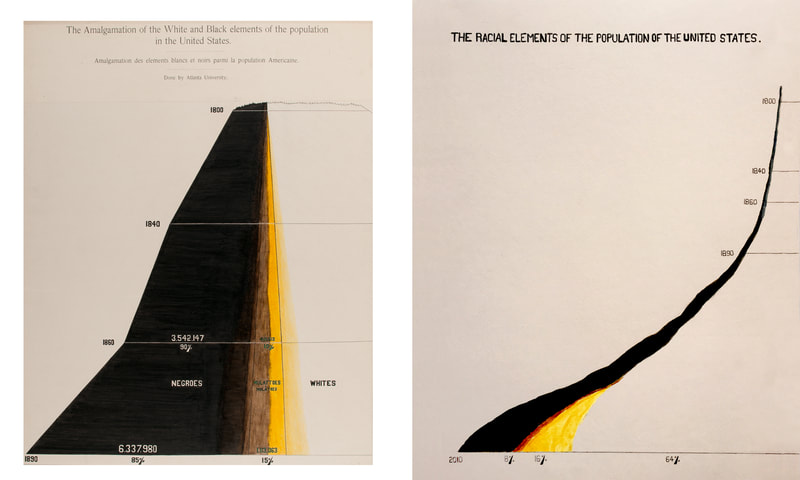
- Between Data and Truth, W.E.B. Du Bois’s “Data Portraits” - Data x Design