Graduate Studio: Technology A [Class Notebook] (DES-720A-02)

Week 7: Data Sculpture

This week we are diving deeper into data by exploring APIs and how to fetch data from external sources. We will also discuss the concept of data sculpture, where we translate data into physical forms.


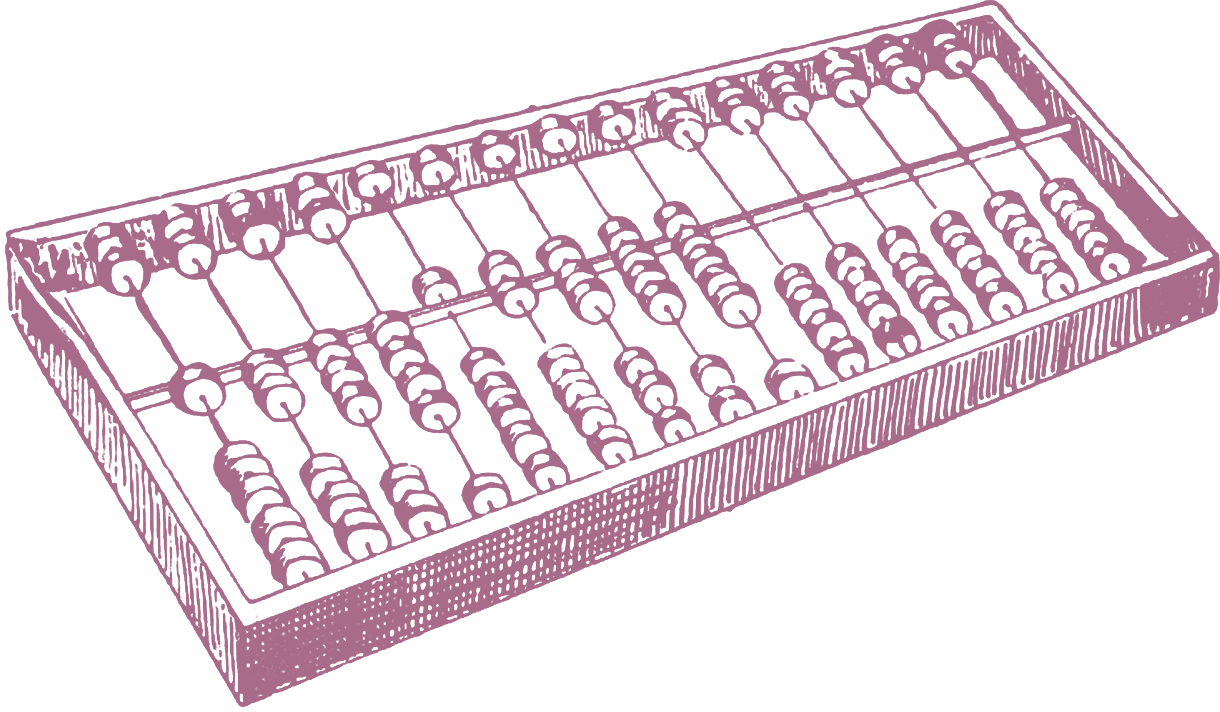
Abacus


Edit this page on GitHub

Workshop 2

Reminder

We are not hosting class next week! Enjoy a little break!

Instead, you will receive a midterm survey to fill out. Please check your email for the survey link. You will also receive a temporal grading based on your participation and assignment submission so far. If you have any questions or concerns about your progress, please feel free to reach out to me.

Assignment

Due: Oct 21, 2025

Submit Assignment

This week, you will continue working on your data sculpture project. Focus on refining your visualization and consider how you can translate it into a physical form. Think about materials, scale, and how the data can be represented tangibly.

Examples

Readings

Some readings that help you brainstorm and think about data sculpture and tangible data representation.

Tutorials & Resources

Class Notebook

Bella Tsai

At the beginning of this project, I struggled a lot with how to use the data—it was very unfamiliar to me, and I found it difficult to look at the data itself and directly imagine the final visualization. With the Instructor's help, I learned how to filter through large amounts of data to simplify and extract the parts I needed. Through this process of simplification, I gradually built up my vision for the visual presentation.

Binjia Li

This week, I learned how to visualize data using p5.js — turning numbers into colorful shapes and animations. I practiced using the map() function, color palettes, and simple motion to make information easy to see and understand.

Flora Fang

I learned how to build a data sculpture this week, and I’m really excited to make my own. It’s a bit challenging since I’ve never used any 3D software before, but with the help of an AI agent, I made a draft of my sculpture and will keep improving it.

Kate Chon

I learned about converting my file into JSON so I will be able to use my data. I'm wondering how can I make my project stronger whether that is in 3D form or in my code.

Lin Kim

I adjusted the vertical positions of the poles for all 10 states individually over 20 times (-2.5, -1.0, -0.7, etc.). The more challenging part was when I increased the pole length from 9.5 to 12 based on California's scale - I had to proportionally readjust all the other states' positions as well. It took time to understand the relationship between scale and position in 3D space.

Lina Lee

It doesn't work well with the exact instrumental shapes. Also, I need to put those shapes on the music scores to stick into my concept.

Nancy Scanlon

I learned that 3d modeling is challenging, but I am exciting to learn more code that can help me in the future weeks.

Sarena Yadav

This week, I focused on enhancing my data visualization by adding interactive features, mood filters, timeline controls, and atmospheric elements like a gradient and a subtle NYC skyline. I’m still thinking of ideas for the physical presentation I want to experiment with lights, possibly using LEDs, but I’m unsure how to implement them since I don’t have much experience with electronics. I’m also considering using beads or threads to represent the data physically, which could create a tactile, visually engaging version of the visualization. It’s an exciting challenge to translate digital interactivity into a physical form.

Yiling Yang

This week, I learned how to import and create 3D models in p5.js.

Zoe Liu

During the visualization process, we may have to give up certain elements for the sake of project implementation. However, at the same time, we should try our best to preserve every piece of data. I’m still thinking about how to achieve the most effective and intuitive result.